What injuries can develop after an auto accident?
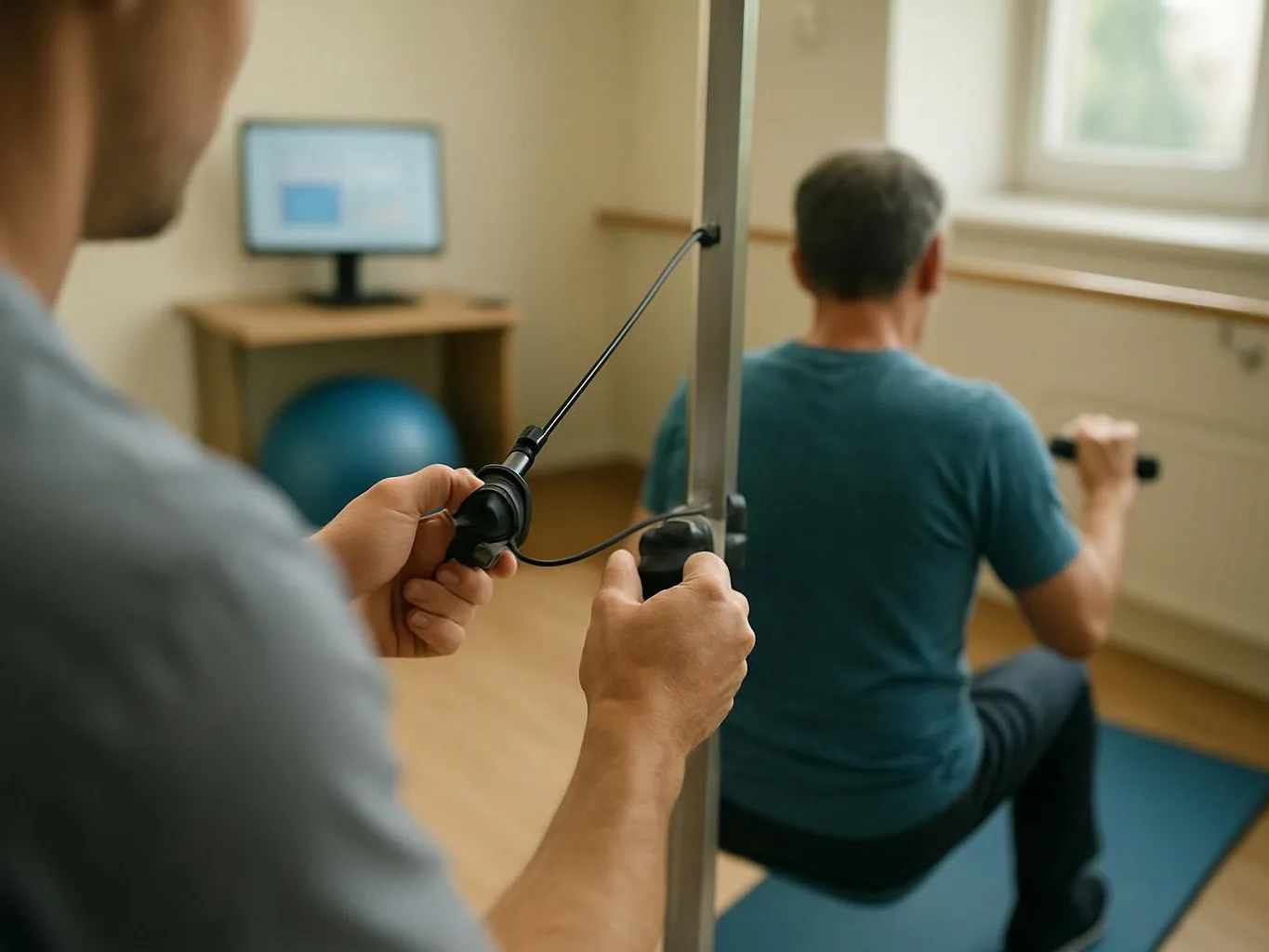
Soft tissue injuries, whiplash, back pain, neck stiffness, headaches, sciatica, and joint discomfort can develop after an auto accident. Advanced Injury Care Clinic checks movement, tenderness, health history, and related symptoms during the assessment. Treatment may include adjustments, spinal decompression, massage therapy, physical therapy, or exercises when those options fit the findings.
What does the team look at first after a collision?
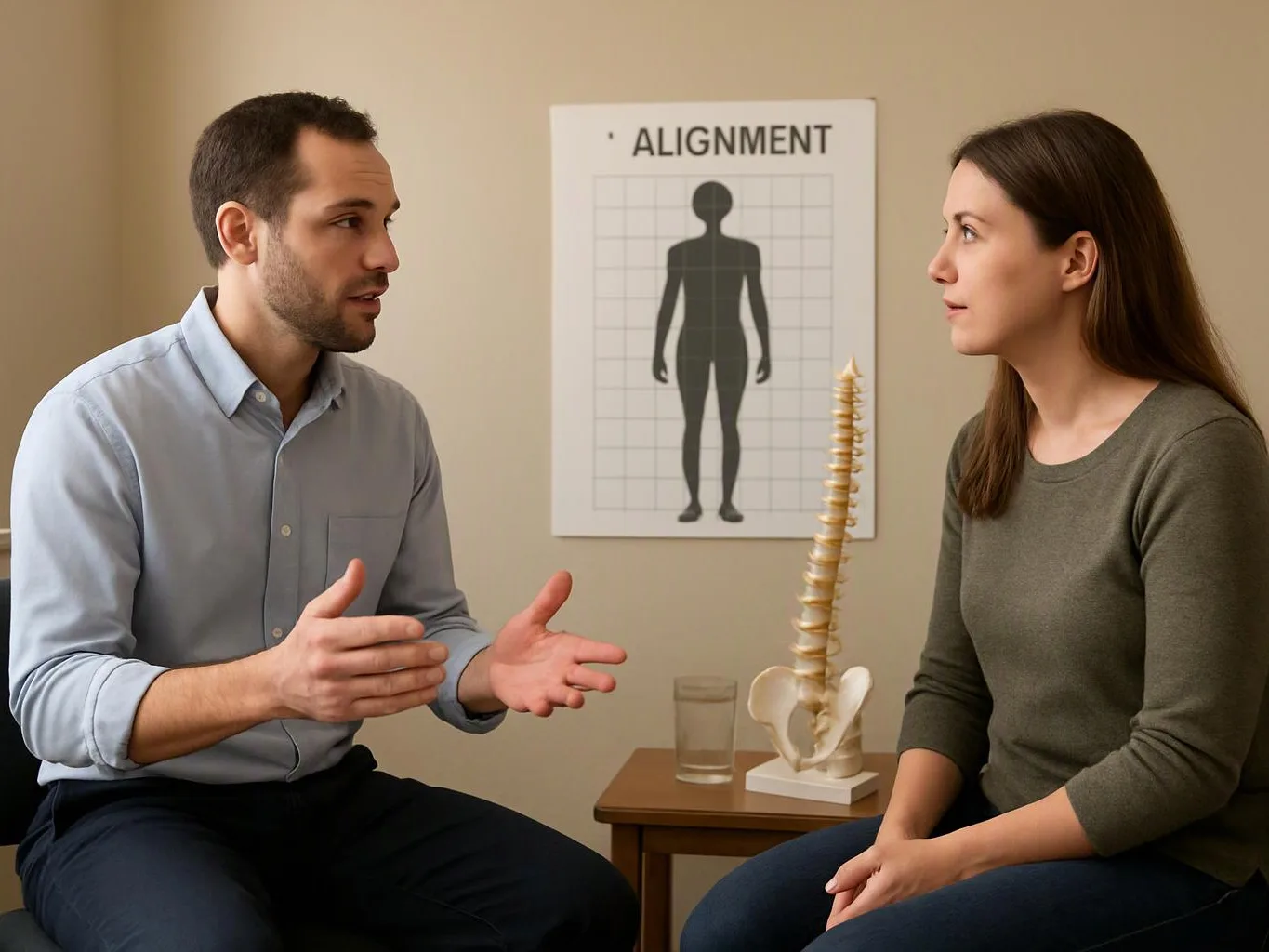
The first exam looks at your health history, pain pattern, movement, tenderness, and related symptoms. We also ask how the injury affects sitting, walking, work, sleep, or daily tasks. Those details help us discuss suitable care and identify situations that need another type of medical evaluation.
Which records should I bring before treatment begins?
Accident details, medical records, imaging reports, and a list of current medicines can help inform the assessment. These records are useful but do not replace the new patient intake and exam. Our team reviews the available information with your symptoms before discussing a personalized treatment plan.
When should collision pain receive an assessment?
Collision pain should receive an assessment when it limits movement, disrupts daily tasks, or continues after the accident. Nolensville patients can discuss neck stiffness, back pain, headaches, or whiplash during a consultation. Severe or unusual symptoms may require urgent medical evaluation before chiropractic care.
Why might back pain continue after an accident?
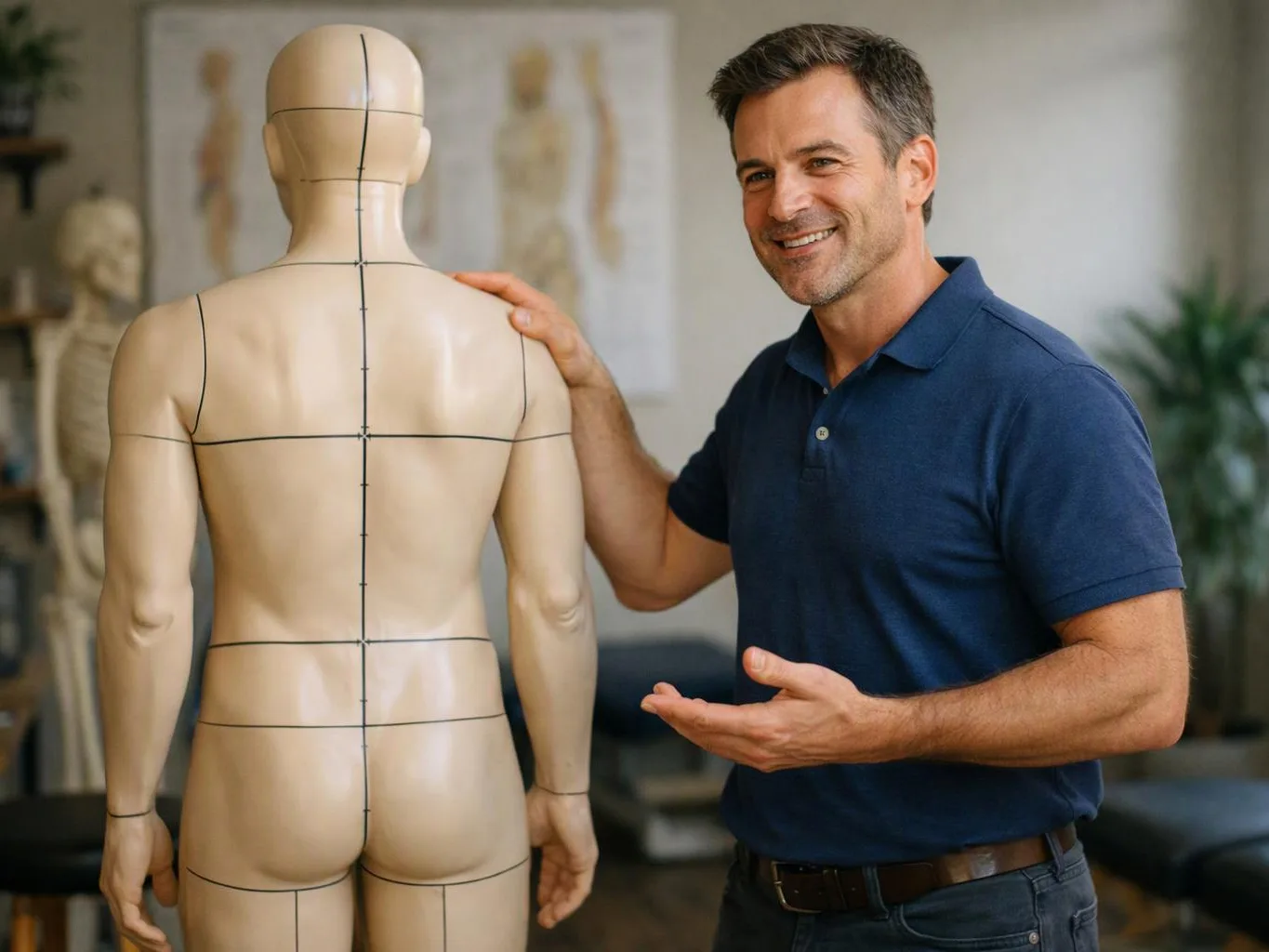
Back pain may continue when strained muscles, irritated joints, or movement changes keep affecting the area. An exam checks spinal motion, leg symptoms, tenderness, and the pain pattern. We use those findings to decide whether adjustments, spinal decompression, exercise, or another treatment option fits.
Who is a good fit for this type of care?
People with collision-related pain, stiffness, headaches, whiplash, or movement limits may fit this care after an assessment. Patients with symptoms that need emergency medical attention need a different service first. Our team explains the appropriate next step when chiropractic treatment does not match the findings.