What injuries can develop after an auto accident?
Neck stiffness can signal whiplash, while back pain and soft-tissue injuries may also develop after a collision. Advanced Injury Care Clinic checks movement, tenderness, headaches, and related symptoms during the exam. Some symptoms need medical care beyond chiropractic treatment, so tell us about numbness, weakness, severe pain, or other changes before treatment starts.
What does the care team look at first after a crash?
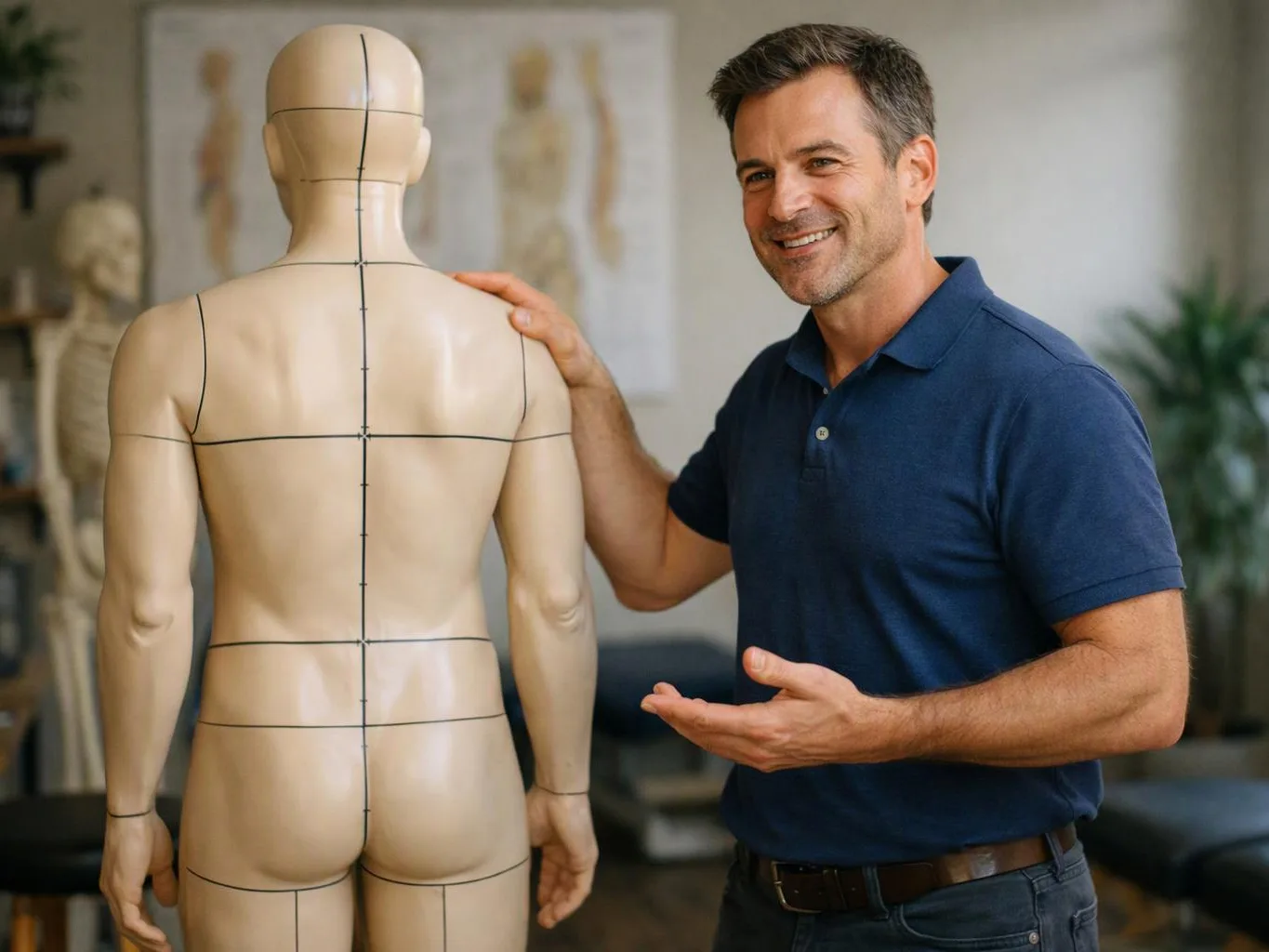
The first assessment reviews your health history, collision details, symptoms, and movement. The exam looks at the neck, back, joints, and soft tissues connected to your concerns. X-rays may be considered when clinically indicated. These findings guide the report of findings and the discussion about suitable care.
What should be checked before treatment is scheduled?
The condition, symptom pattern, health history, and need for further medical evaluation should be checked first. A new patient intake and exam provide that starting information. Treatment can then be matched to the findings, with adjustments, exercise, massage therapy, or spinal decompression discussed when appropriate.
Who is a good fit for auto accident injury care?
People with collision-related musculoskeletal pain, stiffness, whiplash symptoms, or soft-tissue concerns may fit this care. Our team also checks whether chiropractic treatment is suitable for the reported symptoms. Severe or unusual symptoms that need urgent medical attention require a different type of evaluation.
How does physical therapy fit with chiropractic care?
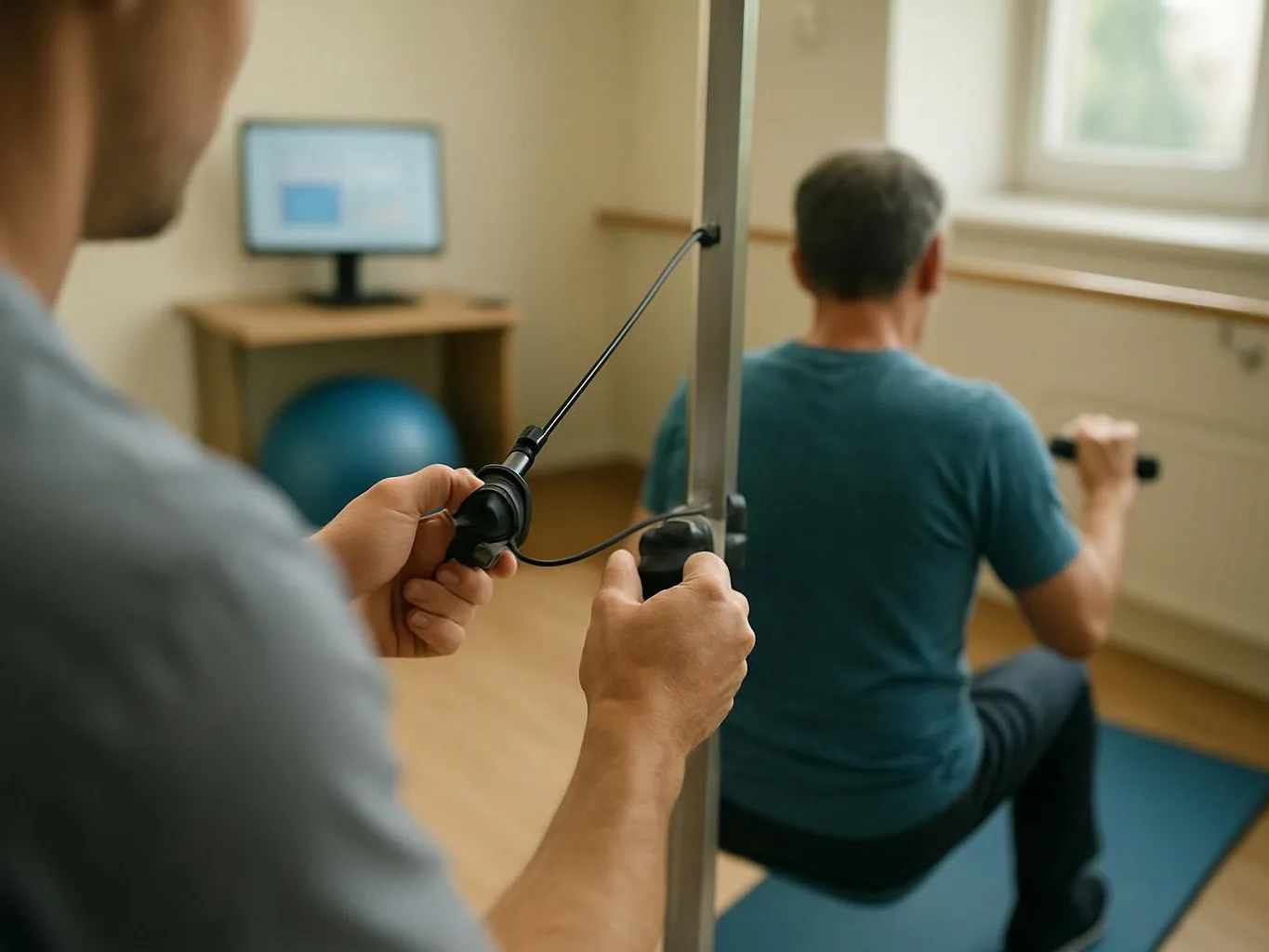
Physical therapy can support movement and active recovery within an individualized care plan. Chiropractic adjustments address joint and spinal movement, while exercises build active control and strength. Our team reviews your findings before combining methods, so each part has a clear purpose.
Which treatment methods may be discussed after a collision?
Treatment methods may include chiropractic adjustments, spinal decompression, massage therapy, physical therapy, and therapeutic exercises. The exam and report of findings guide that choice. Individual response differs, so our team reviews progress and adjusts care when the plan no longer fits your needs.
Why might symptoms continue after an accident?
Symptoms may continue when muscles, joints, or other soft tissues remain irritated after the collision. Whiplash symptoms can also occur with headaches, back pain, or limited movement. An assessment helps connect these concerns and decide whether a personalized treatment plan is appropriate.