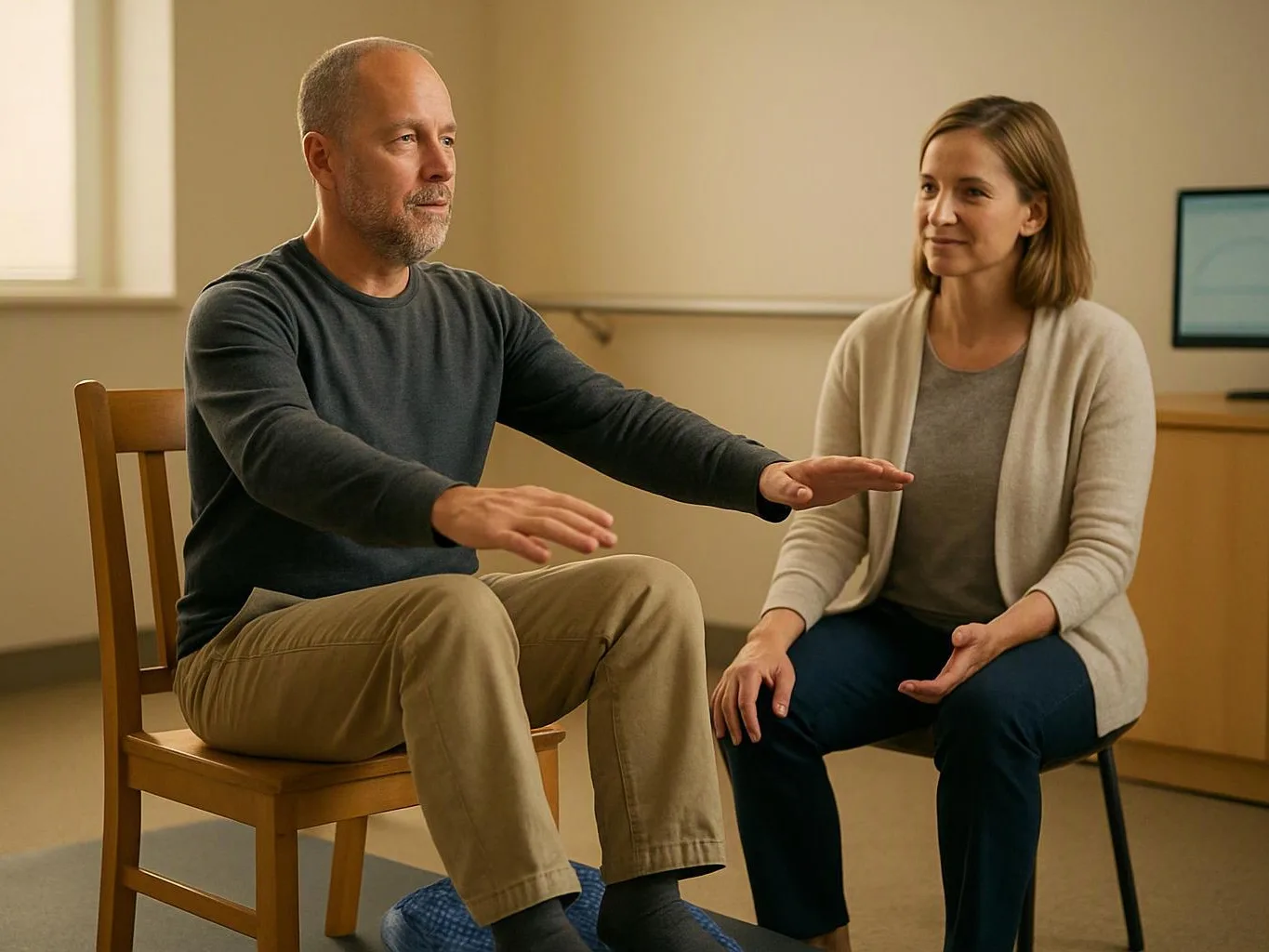
What to Expect at a Physical Therapy Evaluation
A physical therapy evaluation at Advanced Injury Care Clinic includes a discussion of your condition, movement and function checks, clinical findings, and a treatment plan for physical therapy, corrective exercise therapy, or chiropractic rehabilitation.
Request an EstimateWhat Happens During a Physical Therapy Evaluation?
A physical therapy evaluation reviews your health history and symptoms, examines movement and function, and identifies the factors that guide treatment.
During the physical therapy evaluation, we discuss your pain location, injury history, daily activities, and functional limitations. We also review how symptoms affect mobility, stability, posture, and body mechanics.
Our movement assessment may include range of motion, strength, balance, coordination, and functional movement checks. The clinical examination helps us connect your findings with practical treatment goals.
These findings create a starting point for your rehabilitation plan. You can then review your options and ask questions before treatment begins.
Physical Therapy may be appropriate when pain, injury, weakness, or reduced mobility makes daily activities harder.
How Advanced Injury Care Clinic Builds Your Treatment Plan
Advanced Injury Care Clinic builds a treatment plan from the evaluation findings, your functional goals, and the services appropriate for your condition.
We use the clinical findings to decide whether physical therapy, corrective exercise therapy, chiropractic rehabilitation, or a combination of services fits your needs. Our team connects each recommendation to a clear treatment goal, such as improving mobility, building strength, or making movement safer.
The plan may include therapeutic exercise, manual therapy, mobility training, movement education, and a home exercise program. We explain why each part is included and how it supports your daily activities.
Your response to care guides exercise progression and treatment adjustments. We review your questions and make sure the plan remains connected to your goals.
What to Bring and Discuss at Your Appointment
Bring relevant health information and prepare to discuss your symptoms, daily limitations, previous care, and goals for treatment.
The information you share helps us understand your condition before we complete the movement assessment. A clear symptom history also helps our team focus the clinical examination.
What Treatment May Begin After the Evaluation?
Treatment may begin with movement-based care, corrective exercises, rehabilitation techniques, and education selected from the evaluation findings.
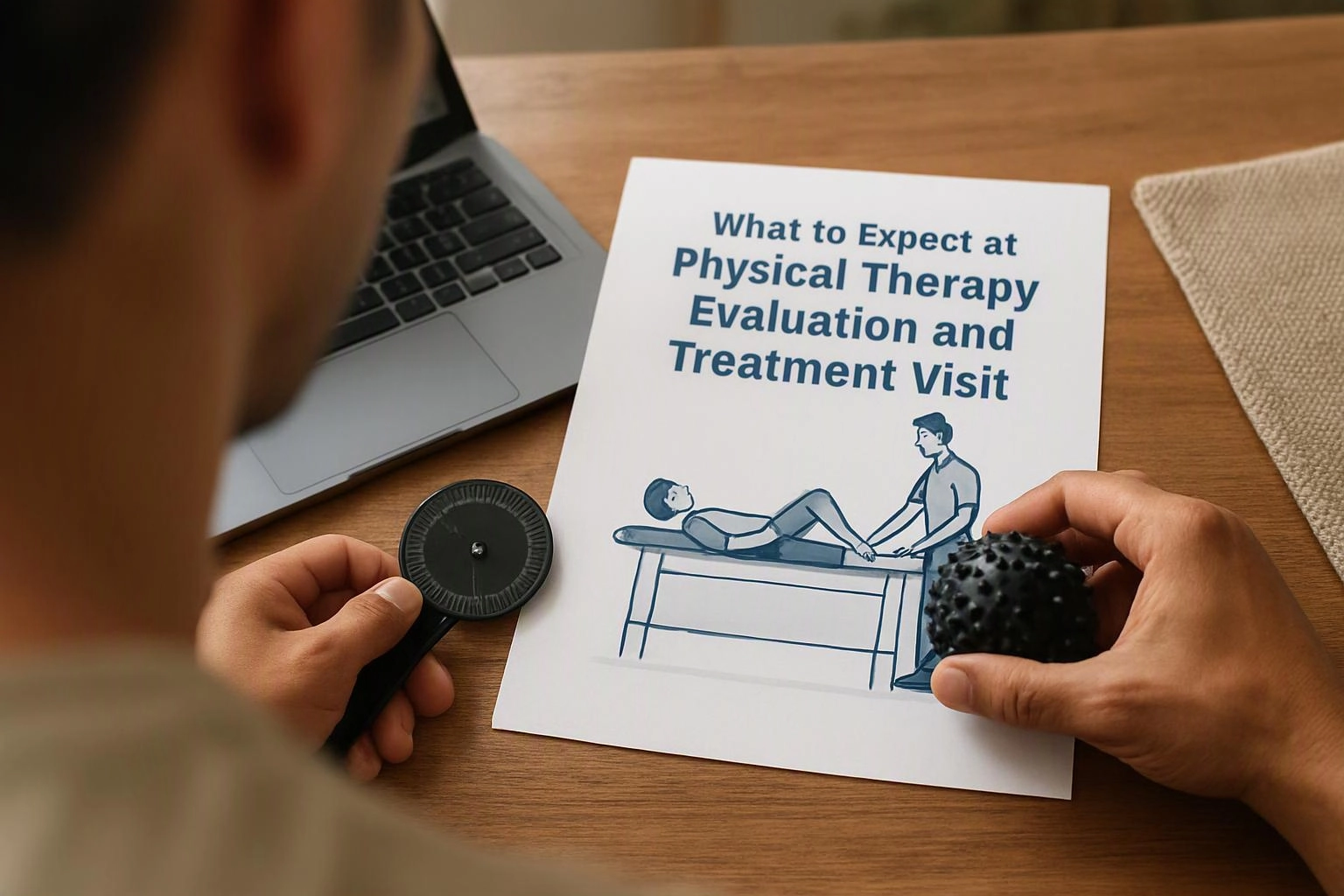
Our team may introduce therapeutic exercise that matches your current strength, mobility, balance, and coordination. Exercises can support movement quality while addressing muscle weakness or limited range of motion.
Physical therapy treatment may also include mobility training, strengthening, manual techniques, and movement education. We explain body mechanics so you can use safer movement strategies during daily activities.
Chiropractic rehabilitation may support a broader care plan when spinal or joint movement affects function. Pain management strategies focus on improving useful movement while respecting your symptoms.
We provide home exercises when they are appropriate for your condition. The home exercise program supports the work completed during visits and gives you a clear way to participate in recovery.
What Is Included in a Physical Therapy Treatment Plan?
A physical therapy treatment plan connects your goals with planned interventions, home exercises, progress checks, and adjustments based on your response to care.
The plan remains focused on function rather than a single symptom. We use follow-up assessment findings to decide whether the next step should involve more mobility work, strengthening, movement education, or another change in care.
| Plan element | What it addresses |
|---|---|
| Treatment goals | The activities, movements, and functions you want to improve. |
| Therapy interventions | Therapeutic exercise, manual therapy, mobility work, and movement education. |
| Exercise progression | Changes to exercise difficulty as your strength, control, and tolerance improve. |
| Home care | Home exercises and movement strategies that support care between visits. |
| Functional milestones | Changes in daily activities, movement quality, strength, balance, or mobility. |
| Follow-up assessment | A review of symptoms and function that helps guide the next treatment decision. |
How to Prepare for Your Next Therapy Visit
Prepare for a follow-up by recording symptom changes, noting how exercises affected you, and writing down questions about your next steps.
A follow-up appointment gives our team useful information about your response to care. Simple notes can help you describe changes that are difficult to remember during the visit.
How We Explain Progress and Next Steps
We explain progress through changes in symptoms, movement, function, and exercise tolerance, then review whether the treatment plan needs adjustment.
Functional progress may include easier daily activities, improved range of motion, better balance, or more controlled movement. Symptom response also matters because pain or stiffness can affect how you complete exercises.
Our team uses patient education to explain what the findings mean and how they relate to your goals. We review the care plan so you understand the next steps, home care, and reasons for any treatment adjustment.
When a new concern appears, tell us during the follow-up visit. Clear information helps us decide whether to modify the rehabilitation plan or reassess a movement pattern.
Questions About Your Physical Therapy Evaluation
What should I wear to a physical therapy evaluation?
Wear comfortable clothing that allows Advanced Injury Care Clinic to observe and assess the body area involved in your symptoms. Choose clothing that supports easy movement during range of motion, strength, balance, and functional movement checks.
Can I ask questions during a physical therapy evaluation?
Yes, you can ask questions during a physical therapy evaluation. Questions about clinical findings, treatment goals, therapeutic exercise, home care, and the next visit can help you understand your rehabilitation plan.
What should I write down before my next therapy appointment?
Write down symptom changes, exercise response, new concerns, activity limitations, and questions for the care team. Notes about daily function can help connect your experience with the findings from the follow-up assessment.
How do I know whether to mention a new symptom during a follow-up visit?
Mention any new symptom that affects movement, exercise response, sleep, daily activities, or your comfort during care. New information helps our team review the care plan and decide whether treatment needs adjustment.
Advanced Injury Care Clinic can review your symptoms, movement, functional goals, and treatment options during a physical therapy evaluation.
Get a Free EstimateRelated Resources
Spinal Decompression Therapy Benefits: Who May Benefit and Why
Why It MattersBenefits of Physical Therapy for Injury Recovery and Mobility
When You Need ItSigns You Need Chiropractic Care After a Car Accident
When You Need ItSports Injury Warning Signs That Mean You Should See a Chiropractor