Signs You Need Chiropractic Care After a Car Accident
Signs you need chiropractic care after a car accident include persistent pain, stiffness, headaches, reduced mobility, numbness, tingling, and symptoms that worsen with movement. Advanced Injury Care Clinic evaluates accident-related injuries and may use chiropractic adjustment, rehabilitation, or kinesiology taping when appropriate.
Request an EstimateWhy Car Accident Symptoms May Need Chiropractic Evaluation
Chiropractic evaluation may be appropriate when car accident symptoms continue, worsen, or interfere with normal activity. Advanced Injury Care Clinic reviews the injury pattern before discussing care.
Car accident injuries can affect the neck, back, joints, muscles, and nerves. Whiplash is a common musculoskeletal injury in which the neck moves suddenly and may lead to delayed injury symptoms.
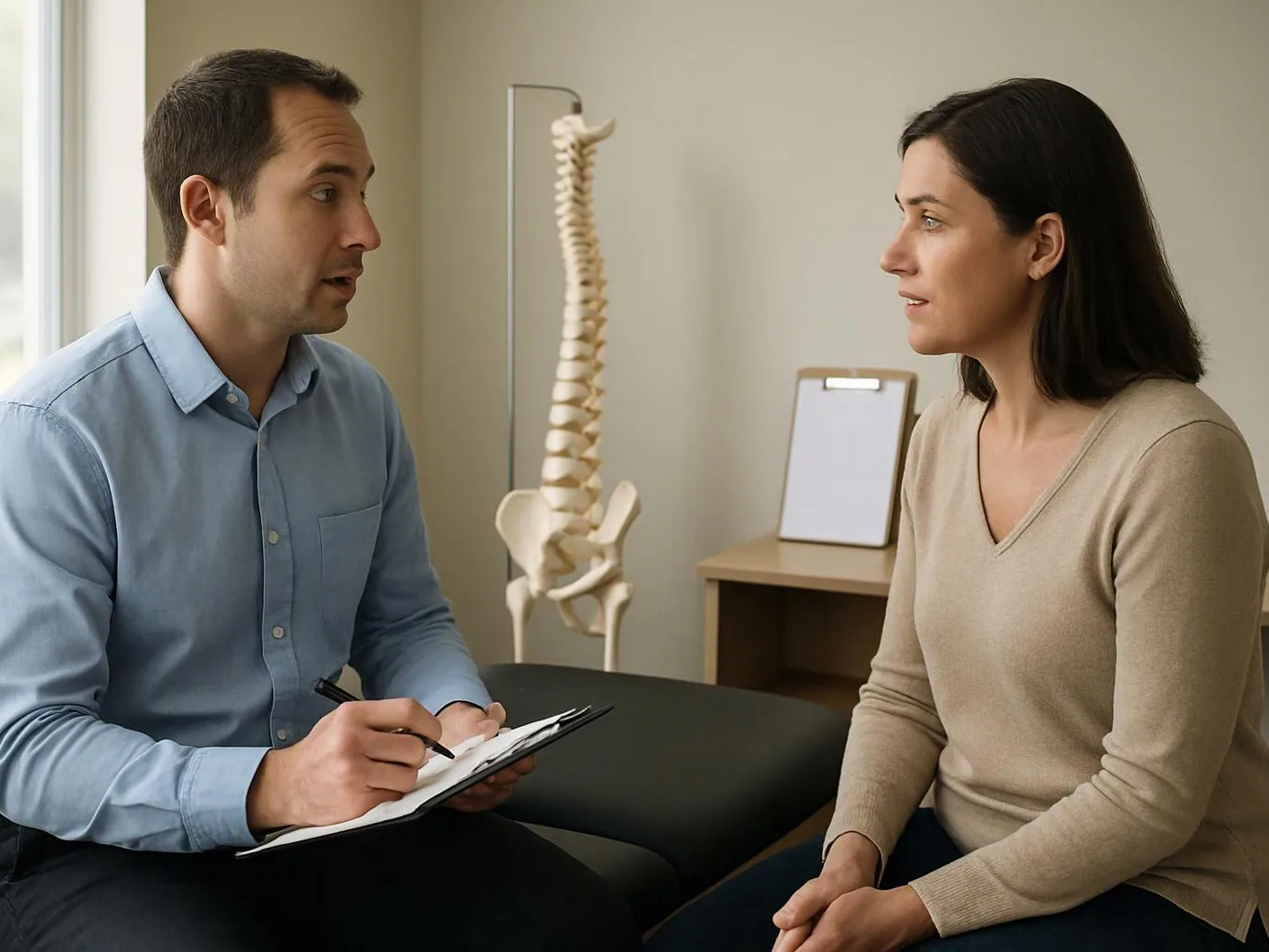
Our team checks pain, stiffness, posture, and movement changes to understand how the collision affected your body. We use that information to decide whether chiropractic care, medical evaluation, or another form of injury care fits your situation.

Warning Signs You May Need a Chiropractor After a Car Accident
The warning signs that support chiropractic evaluation include ongoing pain, restricted movement, headaches, muscle symptoms, and nerve-related sensations after a collision. We assess the pattern and severity of these symptoms before recommending a treatment plan.
Neck Pain, Stiffness, and Reduced Movement
Neck pain, neck stiffness, and reduced range of motion are common signs of whiplash after a collision. Whiplash can affect the cervical spine, muscles, joints, and surrounding tissues.
Our team checks how far your neck moves and whether specific positions increase symptoms. We use those findings to guide safe care for neck stiffness and related mobility problems.
Headaches, Dizziness, and Jaw Tension
Post-accident headaches, dizziness, and jaw tension need attention when they begin after a collision or interfere with normal activity. These symptoms can occur with neck strain, muscle tension, or concussion symptoms.
Medical evaluation is important when dizziness is severe, unusual, or linked with other neurological changes. We can coordinate the discussion of chiropractic care with the findings from your medical assessment.
Back Pain, Muscle Spasms, and Radiating Symptoms
Back pain, muscle spasms, and radiating pain can indicate that a collision affected spinal mobility or irritated nearby nerves. Sciatica symptoms may include pain that travels from the back into the hip or leg.
Our team evaluates movement, muscle tension, and nerve-related symptoms before selecting care. We adjust the treatment plan when symptoms change or activity becomes more difficult.
When Accident Symptoms Need Medical Attention First
Severe or rapidly worsening symptoms need medical attention before chiropractic treatment, especially when they involve neurological changes, breathing problems, or loss of consciousness.
Loss of consciousness, a severe headache, new weakness, significant numbness, confusion, or difficulty breathing requires prompt medical assessment. Seek emergency care when symptoms are severe or feel life-threatening.
Medical evaluation can help identify conditions that need care before musculoskeletal treatment. Share the medical findings with our team so we can consider them when discussing accident injury care.
What We Check During an Accident Injury Evaluation
Our team checks the accident history, symptom pattern, movement, muscle tension, joint function, and neurological signs before discussing appropriate chiropractic care. This injury assessment helps connect your symptoms with the collision.
We ask how the impact occurred, when symptoms started, and which activities make them better or worse. We also review posture, range of motion, muscle tenderness, joint function, and nerve-related changes.
These findings help us discuss whether chiropractic adjustment, chiropractic rehabilitation, kinesiology taping, or medical follow-up belongs in your treatment plan.
How Chiropractic Care Can Support Recovery After a Collision
Chiropractic care can support post-accident recovery by addressing joint movement, muscle function, mobility, and activity-related symptoms through an individualized treatment plan.
A chiropractic adjustment may help address restricted joint movement when our evaluation shows that it is appropriate. Chiropractic rehabilitation may focus on controlled movement, muscle support, and a gradual return to daily activity.
Kinesiology taping may provide support around an affected area as part of a broader plan. We match each option to your symptoms, examination findings, and recovery needs.
Our Auto Accident Injury Treatment approach begins with evaluation rather than a preset routine.
DIY Care vs Calling Advanced Injury Care Clinic
You can use cautious self-care for minor discomfort, while we evaluate persistent, worsening, or function-limiting symptoms and determine whether chiropractic treatment is appropriate. Self-care should not delay medical attention for severe or rapidly changing symptoms.
Activity modification can reduce strain while you monitor symptoms. Our team can assess the cause of ongoing discomfort and explain the next step.
| Factor | What you can do yourself | What we do |
|---|---|---|
| Activity | Modify activities that increase pain and use comfortable movement. | We assess movement and help shape activity guidance around your symptoms. |
| Ice or heat | Use the option that feels comfortable and stop if symptoms worsen. | We discuss supportive measures as part of the broader injury assessment. |
| Ongoing pain | Track changes in pain, stiffness, mobility, and nerve symptoms. | We evaluate persistent symptoms and explain whether chiropractic adjustment or rehabilitation fits. |
What to Bring to an Accident Injury Appointment
Accident details and symptom records help our team understand the injury pattern before the evaluation. Bring the information that shows what happened and how your symptoms have changed.
How to Arrange an Evaluation After a Car Accident
Advanced Injury Care Clinic provides Free Consultations and explains upfront pricing while our team reviews your symptoms and discusses appropriate accident injury care.
Contact us to arrange an accident injury consultation and share the main symptoms affecting your daily activity. We review the evaluation findings, explain the proposed treatment plan, and describe what the recommended care includes.
The factors that shape your quote include the evaluation needs, recommended services, and scope of the treatment plan. We explain those details before care begins so you can request an exact quote from our team.
Contact Advanced Injury Care Clinic to discuss your symptoms and arrange an evaluation.
Questions About Chiropractic Care After a Car Accident
Can symptoms from a car accident appear later?
Yes, delayed injury symptoms can appear after a car accident, including neck stiffness, back pain, headaches, and muscle tension. Advanced Injury Care Clinic evaluates the timing and pattern of those symptoms before discussing care.
Should I see a chiropractor if I have no pain after a car accident?
A chiropractic evaluation may still be useful when you notice stiffness, reduced movement, weakness, or other changes after a collision. Medical evaluation is important when symptoms are severe, unusual, or connected with loss of consciousness or neurological changes.
Can a chiropractor help with whiplash symptoms?
Yes, chiropractic care can address whiplash symptoms when an evaluation shows that treatment is appropriate. Care may include chiropractic adjustment, rehabilitation, mobility work, or kinesiology taping.
What should I do if my accident symptoms get worse?
Worsening accident symptoms require prompt attention, especially when they include severe headache, weakness, numbness, breathing difficulty, or loss of consciousness. Seek medical attention first for severe or rapidly changing symptoms, then share the medical findings with our team.
Can I receive chiropractic care after seeing a medical doctor?
Yes, chiropractic care may follow a medical evaluation when the findings support it. Share your medical records and imaging reports so we can consider them while developing an appropriate treatment plan.