Glossary

What is Cervical Spine?

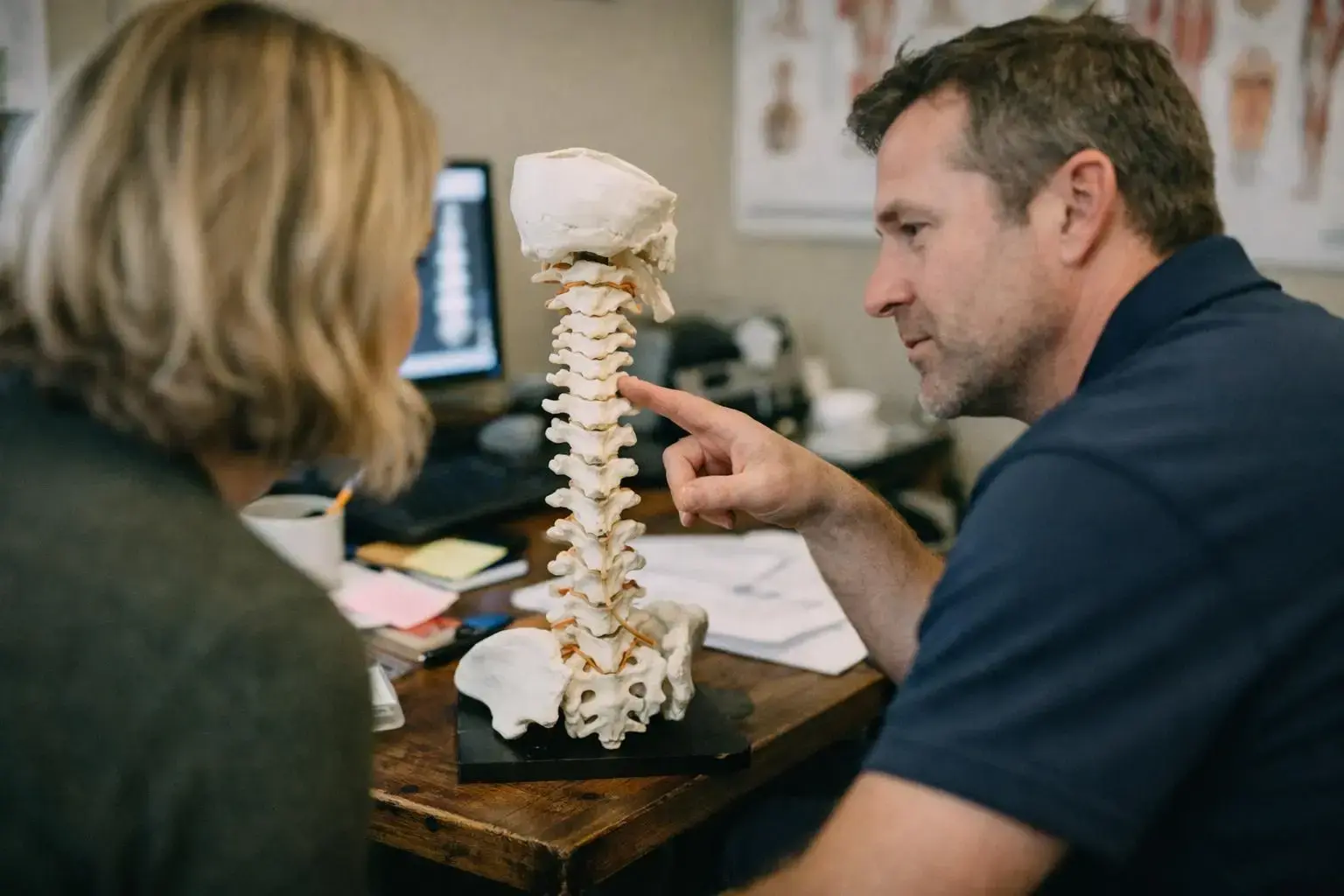
Cervical Spine is the uppermost part of the spinal column, consisting of seven vertebrae labeled C1 through C7. These bones support the skull, protect the spinal cord. And enable head movement such as nodding and turning. The cervical spine also houses nerves that control sensation and function in the arms, hands. And upper body.

Reviewed by Advanced Injury Care ClinicSources reviewed: American Association of Neurological Surgeons, National Institute of Arthritis and Musculoskeletal and Skin Diseases

Quick Facts About Cervical Spine

Category

Anatomy

Used for

Head support, nerve protection, movement

Common confusion

Often mistaken for the entire neck or throat area

Also called

Neck spine, C-spine

Often discussed with

Neck Pain Treatment, Whiplash Injury Treatment

Key Takeaways About Cervical Spine

Understanding Cervical Spine

Cervical Spine in Chiropractor: Cervical Spine is the uppermost part of the spinal column, consisting of—visual guide

Your neck is part of your backbone. It's called the cervical spine. It starts just below your skull.

Related glossary terms: Adjustment, Nerve Impingement, Spinal Decompression.

It ends at the top of your upper back. This area has seven small bones. They are called vertebrae.

These bones are the smallest in your spine. They move more than other spinal bones. Their shape lets your head turn and bend.

They also keep your spinal cord safe. Nerves pass through them too.

Each neck bone has a job. The first one, C1, holds your skull. It's called the atlas.

It lets you nod your head. The second bone, C2, is called the axis. It has a small peg.

This peg helps your head turn side to side. The other five bones, C3 to C7, work together.

They hold up your head. They let your neck bend forward, back. And sideways.

Between each bone is a soft disc. These discs act like cushions. They stop bones from rubbing.

How the Cervical Spine Works?

Your neck does two big jobs. It protects your spinal cord. It also lets you move your head.

The spinal cord runs through the bones. They form a canal to keep it safe.

Nerves branch off at each bone. They go out through small holes. These holes are called foramina.

These nerves send messages. They go from your brain to your arms, shoulders. And hands.

Your neck moves in special ways. Bones have joints on the back. These are called facet joints.

They let bones slide smoothly. Discs between bones act like shock absorbers.

Muscles pull on the bones. They help you turn your head. They help you look up or down.

When your neck lines up right, nerves work well. Blood flows freely too.

Why the Cervical Spine Matters?

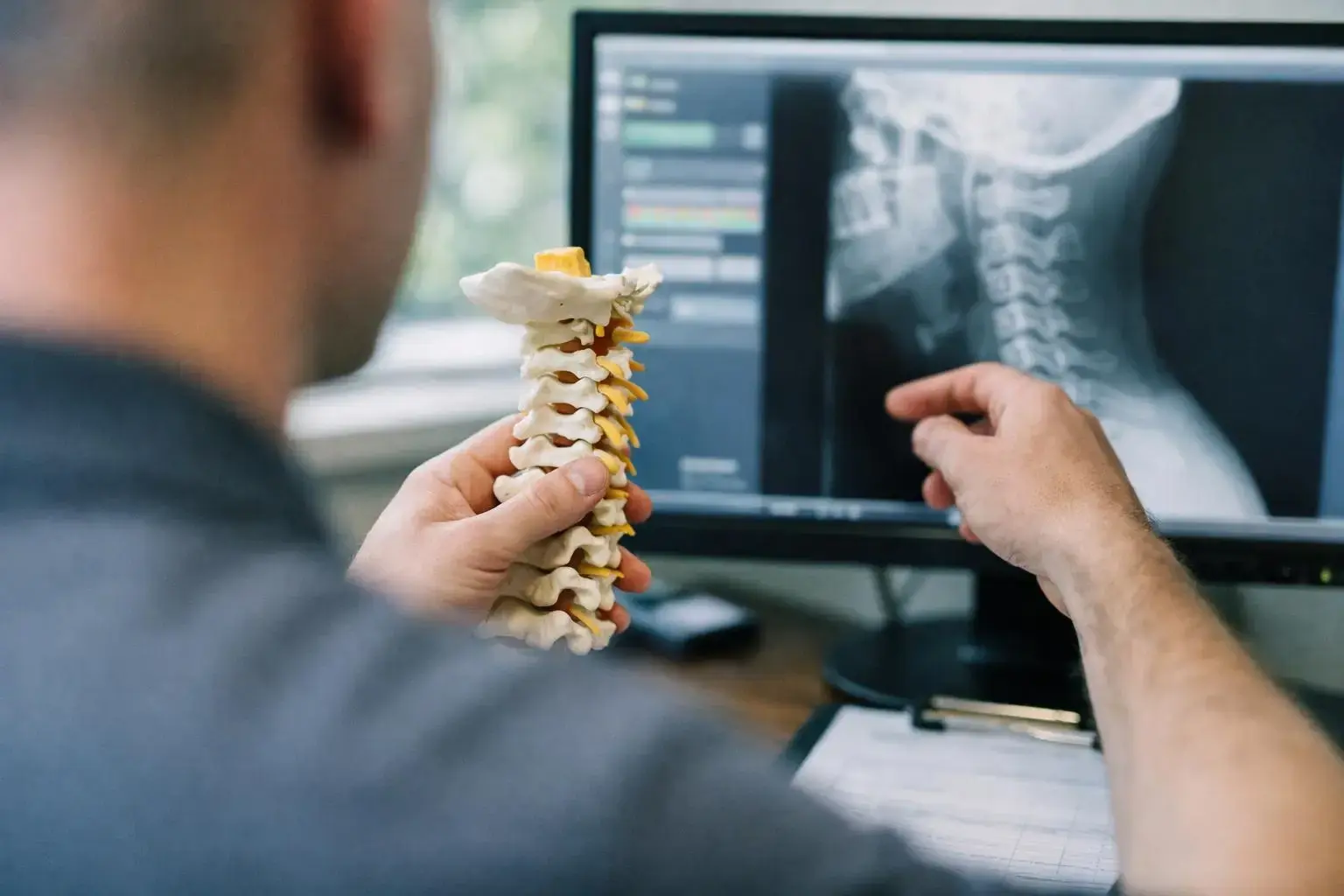
How Cervical Spine applies to Chiropractor services in Brentwood, United States—practical illustration

Your neck helps you every day. It holds up your head. Your head weighs 10 to 12 pounds.

Even small problems can hurt. Bad posture can strain your neck. Slouching or looking down too long causes pain.

This can lead to headaches. Injuries like whiplash can hurt bones, discs. Or nerves.

You might feel numbness or tingling. Your arms or hands may feel weak.

Your neck affects your nerves. Nerves from your neck control important things.

They help you breathe. They control your heart rate. They help your arms move.

If nerves get pinched, signals get mixed. You might feel dizzy. Your vision might blur.

You might have stomach problems. A healthy neck helps your body work right.

When the Cervical Spine Matters Most?

Your neck is key after injuries. Car crashes, falls. Or sports hits can hurt it.

Even small accidents can cause whiplash. Your head jerks fast. Muscles and ligaments get strained.

You might feel stiff. You could get headaches. Pain might spread to your shoulders.

These signs mean you need a doctor.

Some people have long-term neck problems. Arthritis can wear down neck bones.

Discs can get thin as you age. Bad desk setup can strain your neck.

Fixing your posture helps. Strong muscles support your neck. A doctor can give you care.

Numbness or weakness in arms is serious. So is losing coordination. These mean nerves are pinched.

Get help fast. This stops bigger problems later.

How to Evaluate Cervical Spine?

Related Concepts Compared

Cervical Spine vs. Thoracic Spine

The thoracic spine is the middle section of the spine, consisting of 12 vertebrae that connect to the ribs and support the upper back. Unlike the cervical spine, it has limited mobility but provides stability for the chest and organs.

Cervical Spine vs. Lumbar Spine

The lumbar spine is the lower back section, made of five larger vertebrae designed to bear the weight of the upper body. It allows bending and lifting but is less mobile than the cervical spine.

Cervical Spine vs. Whiplash

Whiplash is an injury caused by sudden neck movement, often affecting the muscles, ligaments. And discs of the cervical spine. Unlike the cervical spine itself, whiplash refers to a specific type of damage.

Expert Note

The cervical spine’s mobility makes it vulnerable to injury. But its design also allows for remarkable recovery. Gentle, targeted adjustments and rehabilitation can restore function even after trauma, provided nerve damage is not severe.

Common Mistakes or Myths About Cervical Spine

  • Assuming neck pain is always due to muscle strain and ignoring possible nerve involvement.
  • Believing cracking the neck at home is safe, which can worsen misalignments or injuries.
  • Ignoring chronic headaches or dizziness, which may stem from cervical spine issues.
  • Thinking cervical spine problems only affect the neck, not realizing they can cause arm or hand symptoms.

Cervical Spine in Practice: A Real-World Example

After a rear-end car collision, a driver experiences neck pain and stiffness. An X-ray reveals minor misalignment in the cervical spine’s C5 vertebra. Through chiropractic care and physical therapy, the driver regains full range of motion and relief from radiating arm pain within a few weeks.

Related Services

Related Terms

Adjustment

Adjustment is a controlled, precise force applied by a chiropractor to a specific joint in the spine or other body part. Adjustments aim to restore normal motion, reduce nerve irritation. And improve function without surgery or medication. They're a core technique in chiropractic care.

Nerve Impingement

Nerve impingement is a condition where a nerve is compressed or irritated by surrounding tissues, such as bones, muscles, cartilage. Or tendons. This pressure disrupts the nerve’s normal function, leading to pain, numbness, tingling. Or weakness in the affected area. Nerve impingement often occurs in the spine, wrists. Or shoulders and can result from injury, repetitive motion. Or poor posture.

Spinal Decompression

Spinal Decompression is a non-surgical treatment designed to relieve pressure on the spine and spinal nerves. It involves gently stretching the spine using a motorized table or similar device to create negative pressure within spinal discs, which can help herniated or bulging discs retract, promote healing.

Advanced Injury Care Clinic

Have Questions About Cervical Spine?

Contact Advanced Injury Care Clinic for practical guidance on Cervical Spine and related chiropractor work in Brentwood.

+1 615-777-0624