Understanding Spinal Decompression
Spinal Decompression helps reduce pressure on your spine. It eases pain from discs and nerves.
Related glossary terms: Herniated Disc, Chiropractic Adjustment, Mobilization.
Your spine holds up your body. It lets you move every day. But injuries or aging can squeeze the discs.
This squeeze can cause herniated (bulging) discs. It can pinch nerves too. You may feel pain, numbness. Or weakness.
Spinal Decompression gently stretches your spine. This makes space between your bones. It may ease your symptoms.
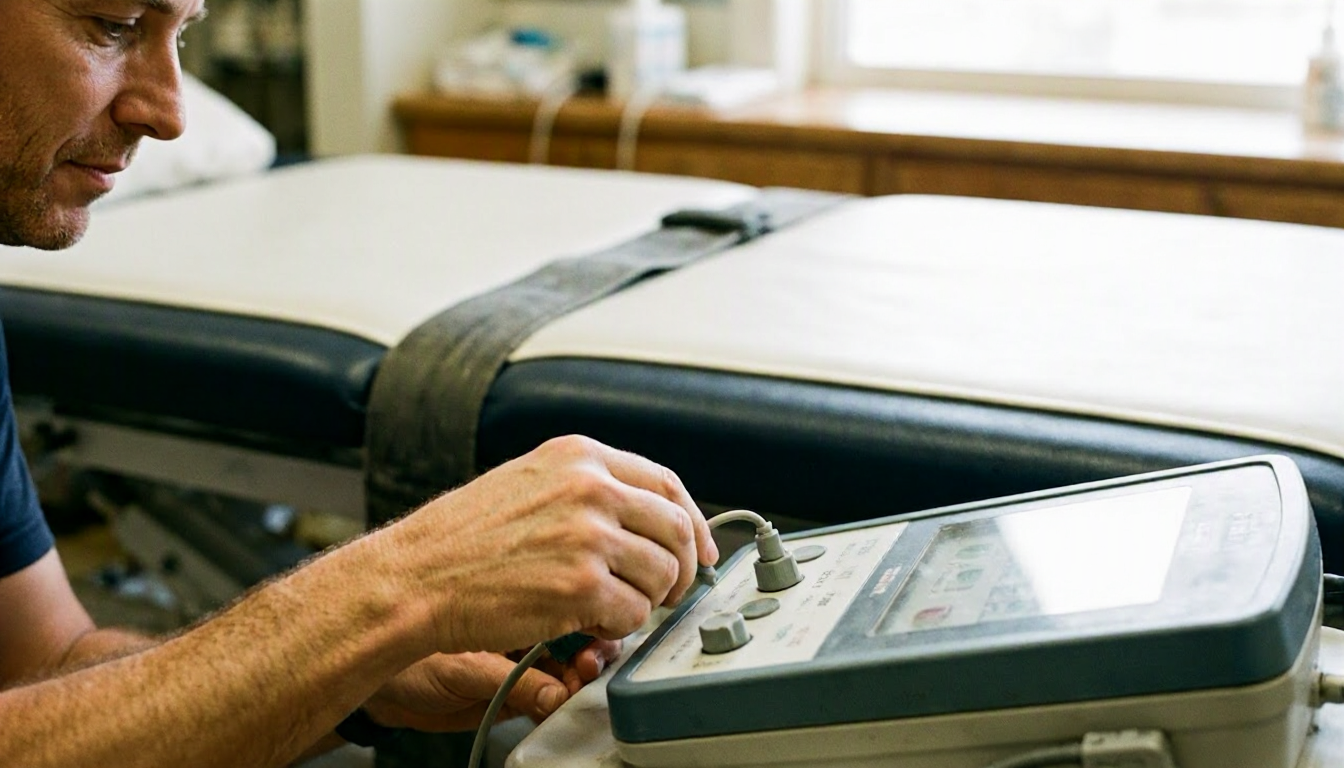
This treatment doesn't need surgery. It uses a special table or machine. The machine pulls your spine carefully.
This pull creates space inside your discs. It may help bulging discs move back. It also helps nutrients flow in.
Nutrients help your body heal. Many people feel less pain after a few visits. But results can be different for each person.
How Spinal Decompression Works?
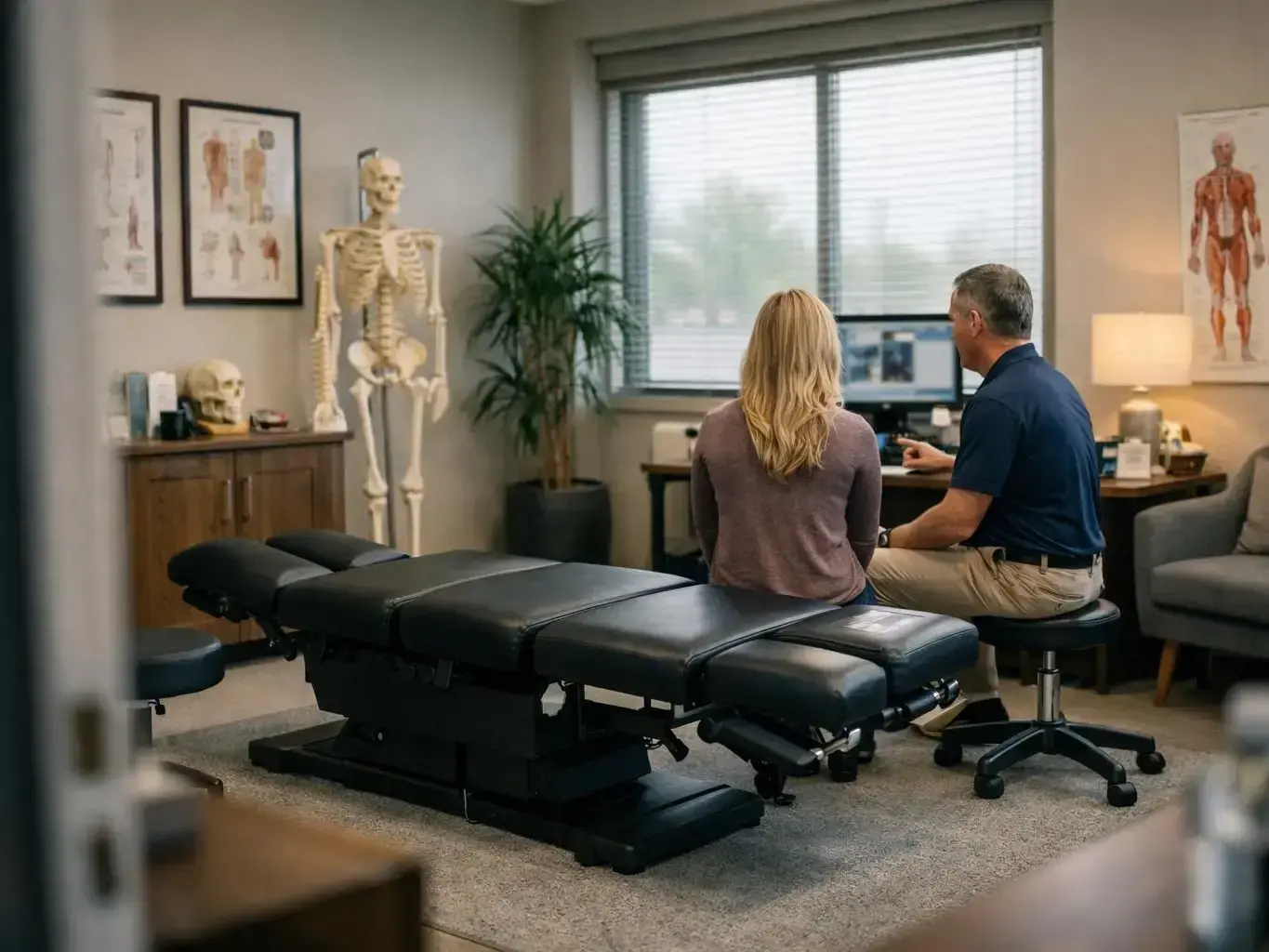
You lie on a table for this treatment. You face up or down. It depends on where you hurt.
A harness goes around your hips. It hooks to the table. The top part stays still.
The table moves slowly. It pulls your spine gently. This pull won't hurt you.
Each session lasts 30 to 45 minutes. You may need many visits. This helps you get the best results.
The table stretches, then rests. It does this over and over. Each stretch makes space between your bones.
When it rests, your spine goes back. This cycle repeats many times. The goal is to ease disc pressure.
It also helps discs get water and nutrients. Some people feel better right away. Others need more time.
This treatment often works with others. You might also get chiropractic (spine) care. Or you may try hot or cold packs.
Your doctor may suggest exercises too. You might need to change some habits. This helps the treatment work better.
Most people can try this safely. But some can't. People with broken bones or certain implants shouldn't use it.
Why Spinal Decompression Matters?
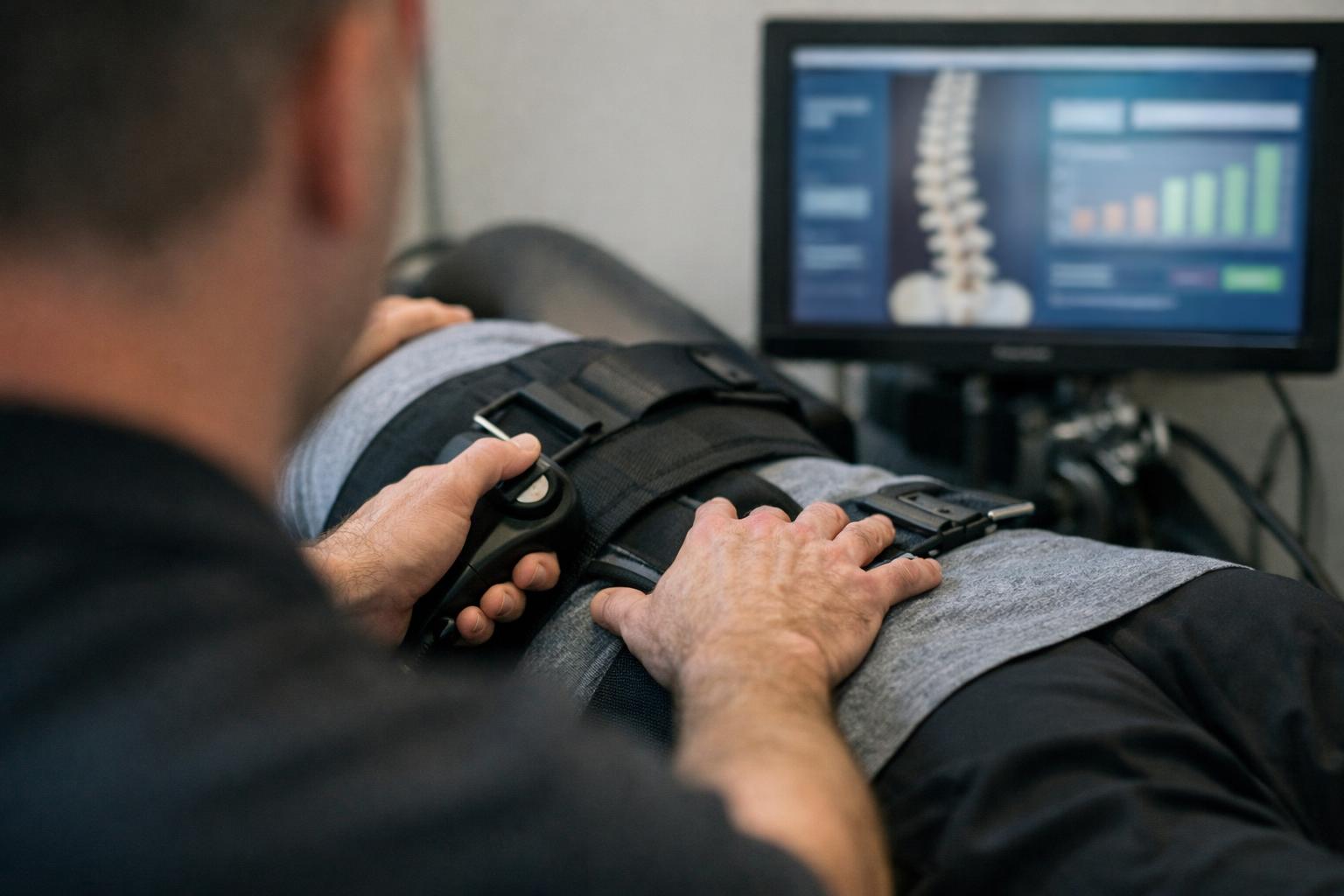
Spinal Decompression matters a lot. It helps people avoid surgery. Many have bad back pain every day.
Surgery can fix problems. But it has risks too. You might get an infection. Or you may need a long recovery.
This treatment gives another choice. It eases pain without surgery. It may help you move better too.
It also helps your spine stay healthy. Squeezed discs lose water and nutrients. This makes them wear out faster.
The treatment creates space inside discs. This helps water and nutrients flow back in. It may slow down damage.
This helps older adults a lot. It also helps people with bad posture. Or those who sit or lift too much.
When Spinal Decompression Matters Most?
Spinal Decompression helps people with bad back or neck pain. It works best for disc problems.
Common problems it treats are herniated (bulging) discs. It also helps with sciatica (nerve pain). Or worn-out discs.
It may also help spinal stenosis. This is when your spine gets too narrow. It squeezes your nerves.
If other treatments don't work, try this. It may help when pills or therapy don't. It's another option to try.
It's good for people who can't have surgery. Some have health risks. Others just don't want surgery.
It also helps people healing from injuries. Like car accidents or work injuries. It eases pain and helps them heal.
But always talk to a doctor first. They'll say if it's right for you. They know your health best.
In Brentwood, TN, many use this treatment. Chiropractors and therapists offer it. It's part of a bigger care plan.
The plan may include exercises. Or tips for better posture. It may also suggest changes to daily habits.
People in Brentwood try this for bad pain. It keeps them from working or playing. It helps them feel better again.