Benefits of Physical Therapy for Injury Recovery and Mobility
Physical therapy supports injury recovery, mobility and functional movement. Advanced Injury Care Clinic uses physical therapy, corrective exercise therapy and kinesiology taping to support recovery based on each person's condition.
Request an EstimateWhat Are the Benefits of Physical Therapy After an Injury?
Physical therapy after an injury helps restore movement, improve strength, manage pain and rebuild confidence with daily activities.
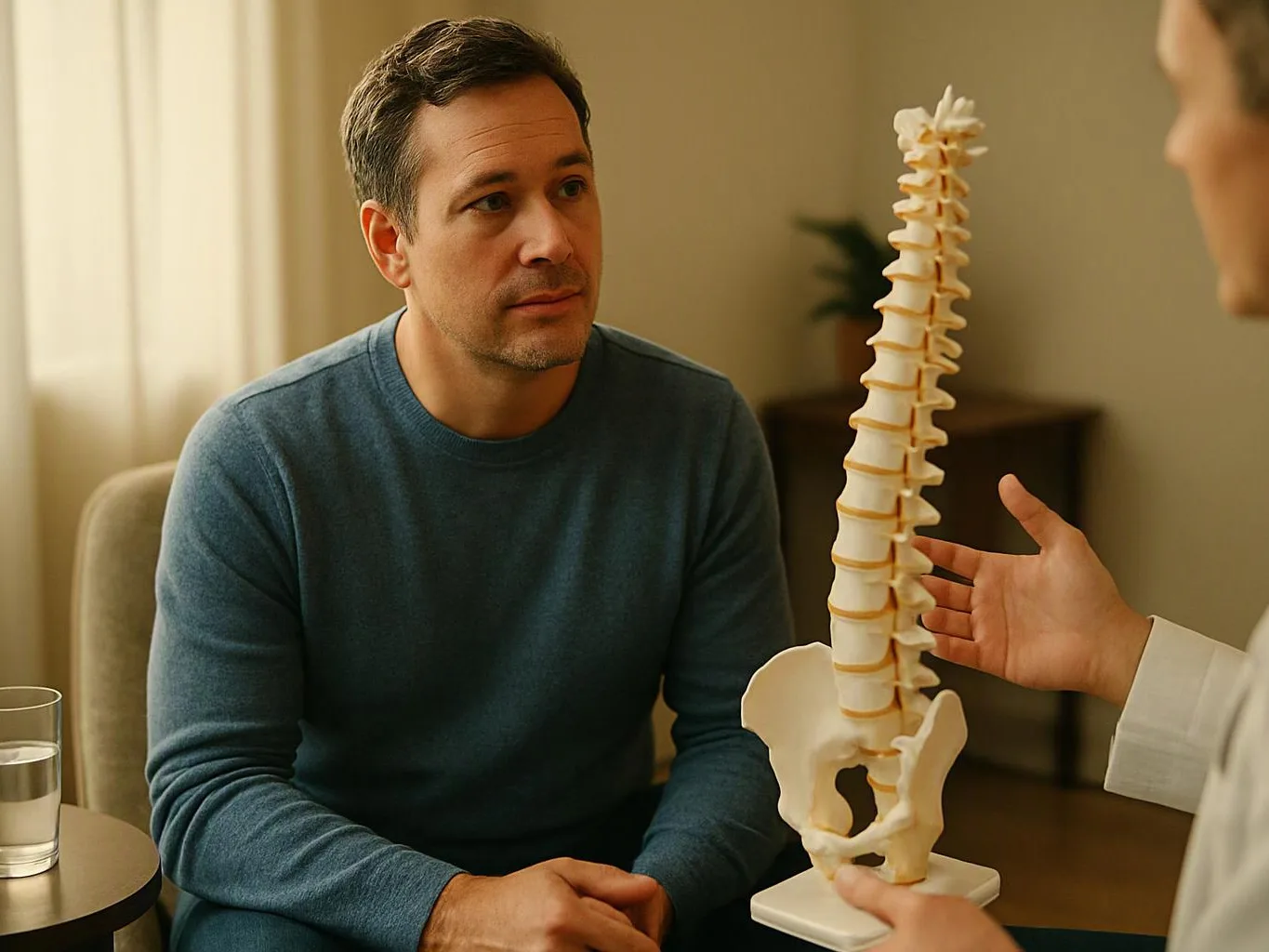
Injury recovery can involve pain, stiffness, muscle weakness or reduced joint function. We assess how the injury affects your mobility and use targeted care to address the movement problems that limit work, exercise or daily activities.
Physical therapy can support pain management by improving how the body moves and by gradually loading affected tissues. Range of motion work can improve flexibility, while strengthening exercises help rebuild muscle strength around an injured area.
Better joint function can make walking, reaching, lifting and other daily tasks feel more controlled. Our team adjusts care to your symptoms, movement limits and recovery goals.
How Physical Therapy Supports Injury Recovery
Physical therapy supports recovery by matching targeted exercises and hands-on techniques to the movement limitations caused by the injury.
Each part of care addresses a different movement problem. We use the assessment findings to guide a safe exercise progression and monitor how your body responds.
| Recovery focus | How physical therapy may help |
|---|---|
| Pain management | Gentle movement, manual techniques and controlled loading can reduce strain during activity. |
| Range of motion | Mobility exercises address stiffness and help restore available movement. |
| Muscle strength | Progressive exercise helps rebuild support around the affected area. |
| Balance and coordination | Controlled tasks help the body organize movement with better balance and coordination. |
| Functional movement | Activity-based exercises connect treatment to walking, reaching, lifting and other daily tasks. |
These areas often overlap during recovery. We change the treatment focus as pain, movement restriction and muscle weakness improve.
How Corrective Exercise Therapy Restores Strength and Movement
Corrective exercise therapy improves recovery by addressing weakness, restricted movement and inefficient movement patterns that can continue after pain improves.
Muscle weakness can cause the body to rely on less efficient movement patterns. We select exercises that help the affected muscles work together and support better joint stability.
Corrective exercises may include mobility training, strengthening exercises and balance training. We progress the exercises as your control improves so that functional strength develops without exceeding your current tolerance.
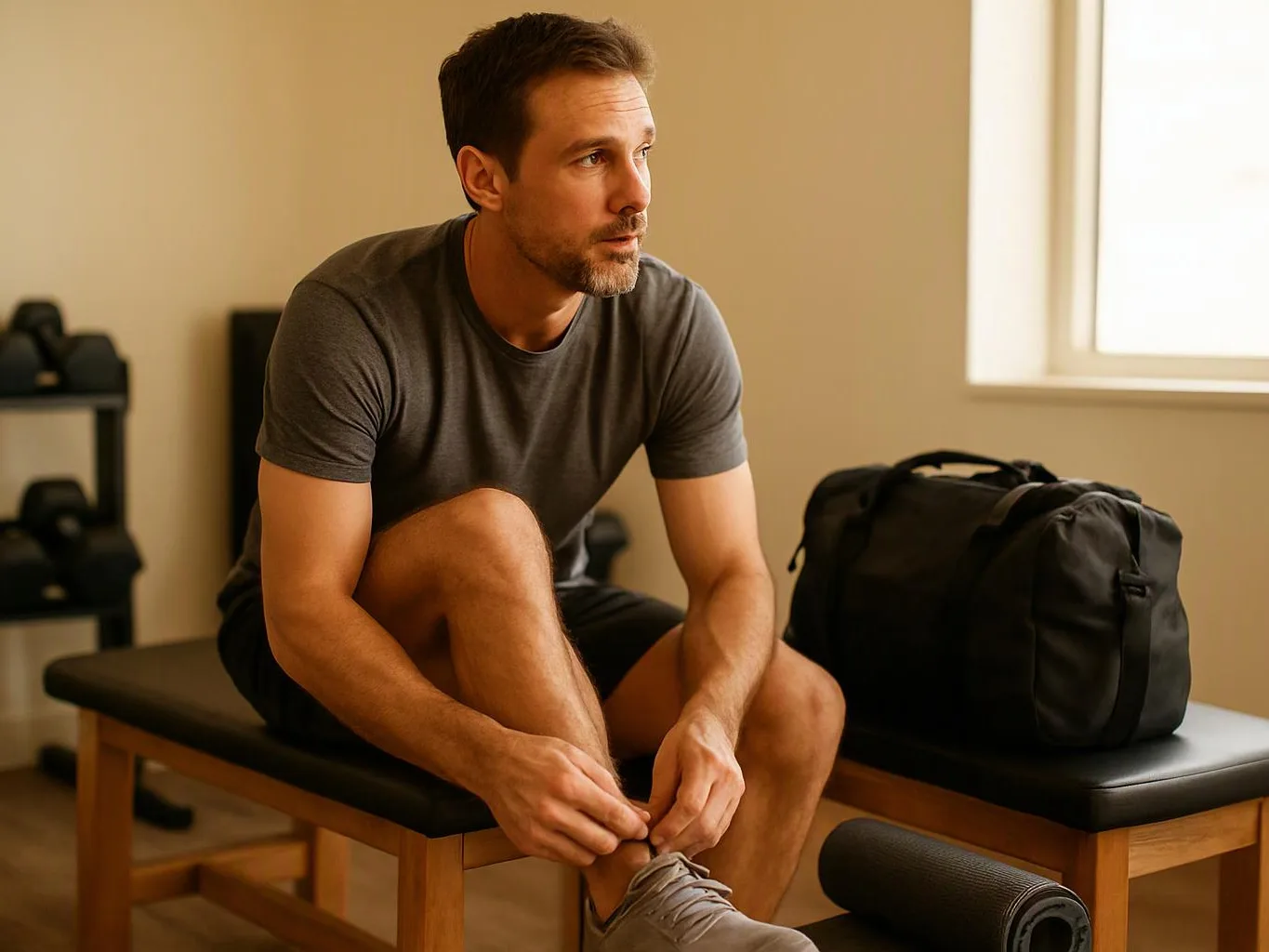
This approach connects treatment to real activities. Better movement control can support a safer return to walking, work, exercise and other daily activities.
When Can Kinesiology Taping Support Mobility?
Kinesiology taping can support mobility by providing external sensory and mechanical support while the injured area resumes normal movement.
Taping may help you notice the position and movement of an affected joint. This sensory input, called proprioception, can support coordination during selected activities.
Our team may also use taping as part of swelling management or to provide light joint support. Taping does not replace therapeutic exercise, movement assessment or medical evaluation when those services are needed.
We place and adjust the tape based on the body area, skin response and movement goal. We also explain when to remove it and how to monitor the skin.
What Happens During a Physical Therapy Recovery Plan?
A physical therapy recovery plan begins with an assessment, progresses through targeted treatment and is adjusted as movement and function improve.
Our team connects each step to the injury and the activities you want to resume. The plan can include therapeutic exercise, manual techniques and home exercise.
We review the plan as your response changes. Safe exercise progression helps keep treatment matched to your current abilities.
How Advanced Injury Care Clinic Connects Physical Therapy to Your Recovery Goals
Advanced Injury Care Clinic connects physical therapy, corrective exercise therapy and kinesiology taping to the movement goals identified during our assessment.
We first identify the activities that matter to you, such as walking comfortably, returning to exercise or completing work tasks. We then connect those goals to the movement limits found during the injury assessment.
Our team may combine mobility work, therapeutic exercise and taping when each method supports a different part of recovery. We also use progress monitoring to guide changes in exercise selection and activity demands.
This coordinated approach keeps care focused on functional recovery. It helps link pain management and strength work to the daily activities you want to perform with greater confidence.
What Should You Consider Before Starting Physical Therapy After an Injury?
Before starting physical therapy, consider the injury type, your pain response, movement limitations and the treatment goals you want to address.
These factors help determine whether the plan should emphasize mobility, strength, balance, coordination or another part of functional movement. We use this information to shape care that fits your condition.
We discuss these factors during the assessment. You should report new, worsening or unusual symptoms so the plan can be reviewed.
Which Questions Should You Ask About Physical Therapy After an Injury?
Useful questions about physical therapy focus on treatment goals, exercise progression, taping and coordination of care.
Ask how the plan addresses your movement limitations and how progress will be checked. You can also ask how corrective exercise therapy, kinesiology taping and home exercise fit together.
Clear answers can help you understand which activities are appropriate during recovery. Our team explains the purpose of each treatment and how it connects to your functional goals.
Questions About Physical Therapy After an Injury
Can physical therapy help after a soft tissue injury?
Yes, physical therapy can help after a soft tissue injury by addressing pain, stiffness, weakness and movement limits. Advanced Injury Care Clinic assesses the affected area and builds care around your symptoms, movement and recovery goals.
Can physical therapy improve mobility after an injury?
Yes, physical therapy can improve mobility after an injury by using range-of-motion exercises, strengthening exercises and movement training. We match the exercise progression to your current ability and response.
Is physical therapy useful when pain has already improved?
Yes, physical therapy can remain useful after pain improves because weakness, stiffness or inefficient movement patterns may continue. We use movement assessment and progressive exercise to support strength, joint stability and functional recovery.
What exercises are commonly used during injury recovery?
Common exercises during injury recovery include range-of-motion exercises, strengthening exercises, balance training and mobility training. We choose exercises based on the injury assessment, movement limits and treatment goals.
How does kinesiology taping support physical therapy?
Kinesiology taping can support physical therapy by providing sensory feedback and light mechanical support during selected movements. We may use it alongside therapeutic exercise when it fits the movement goal and skin response.
When should someone seek an assessment after an injury?
Someone should seek an assessment after an injury when pain, swelling, stiffness, weakness or movement limits interfere with daily activities or do not improve as expected. We evaluate movement and help determine whether physical therapy fits the recovery plan.
Start Your Injury Recovery Assessment
Advanced Injury Care Clinic can connect physical therapy, corrective exercise therapy and kinesiology taping to your recovery goals. Contact our team to discuss your condition and the next step for improving movement and daily function.
Contact Advanced Injury Care ClinicRelated Resources
Signs You Need Chiropractic Care After a Car Accident
When You Need ItSports Injury Warning Signs That Mean You Should See a Chiropractor
When You Need ItWhen Back Pain or Sciatica Symptoms Mean You Should See a Chiropractor
How Long It TakesHow Long Does Chiropractic Treatment Take to Work?