Spinal Decompression Therapy Benefits: Who May Benefit and Why
Spinal decompression therapy benefits may include reduced pressure-related discomfort, improved spinal mobility and better daily function for appropriate patients; Advanced Injury Care Clinic evaluates whether the therapy fits each person's condition.
Request an EstimateWhat Is Spinal Decompression Therapy?
Spinal decompression therapy is a non-surgical treatment approach that uses controlled spinal positioning and gentle traction to reduce mechanical stress around selected areas of the spine. The goal is to support comfort and movement when pressure-sensitive structures contribute to symptoms.
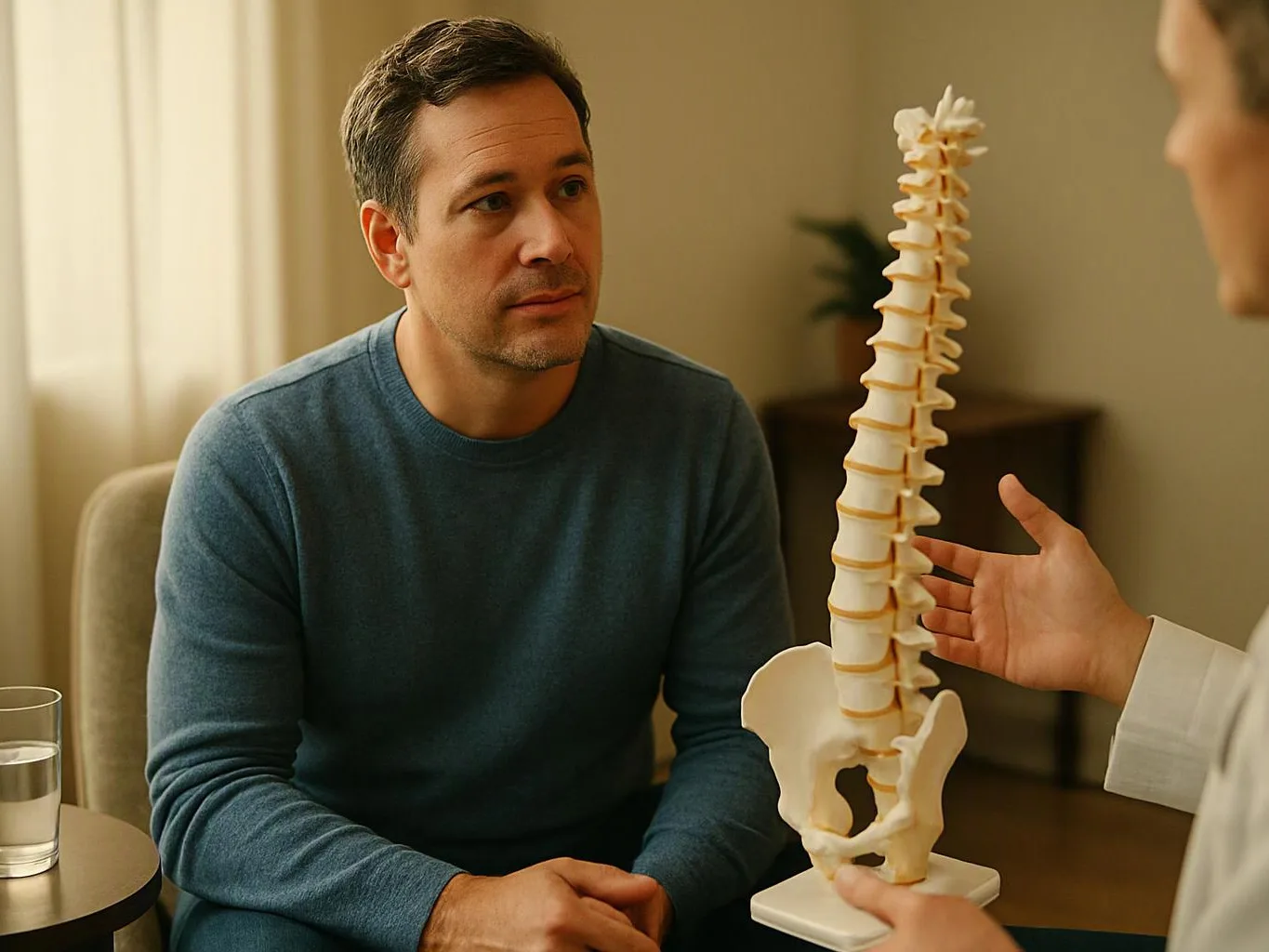
The spine includes vertebrae, facet joints, spinal nerves and intervertebral discs. As part of chiropractic rehabilitation, we assess how these structures move together and whether lumbar decompression therapy, cervical decompression therapy or another approach fits the person's condition.
What Are the Benefits of Spinal Decompression Therapy?
Spinal decompression therapy may reduce mechanical stress around affected spinal structures, ease discomfort and support movement when the treatment matches the underlying condition.
Potential benefits depend on the source of symptoms and the findings from an examination. The table below shows how decompression may relate to common treatment goals.
| Potential benefit | How it may help |
|---|---|
| Pain relief | Reduced mechanical stress may make pressure-related discomfort easier to manage. |
| Spinal mobility | More comfortable movement may support spinal motion and range of motion. |
| Nerve irritation | Reducing pressure on spinal structures may ease symptoms linked with irritated nerves. |
| Disc-related symptoms | A disc-focused plan may address symptoms associated with selected disc conditions. |
| Daily function | Improved comfort and movement tolerance may make functional activity easier. |
How Spinal Decompression May Support Pain Relief
Spinal decompression may support pain relief when spinal pressure contributes to back pain, neck pain or nerve irritation. Controlled unloading can change the mechanical demand placed on sensitive spinal structures.
Our team considers the location and behavior of symptoms before recommending decompression therapy. We also look for signs that another form of chiropractic care or medical evaluation is more suitable.
How Spinal Decompression May Support Mobility and Function
Spinal decompression may support range of motion and movement tolerance when discomfort limits how a person bends, turns, sits or walks. Easier movement can help a person work toward functional activity without placing unnecessary stress on the spine.
We may combine decompression with therapeutic exercise and movement retraining. This approach helps connect short-term comfort with longer-term chiropractic rehabilitation and improved spinal mechanics.
Who May Benefit From Spinal Decompression Therapy?
People with selected disc-related or pressure-sensitive spinal symptoms may benefit when an examination shows that decompression is appropriate for their condition.
Our clinical assessment focuses on the cause, location and behavior of symptoms. Potential candidates may include people with:
These conditions do not automatically make decompression suitable. We use the clinical examination and treatment goals to decide whether it belongs in the care plan.
Who May Need a Different Treatment Approach?
Spinal decompression therapy is not appropriate for every spinal complaint, so our team reviews symptoms, medical history and examination findings before recommending it.
A clinical examination helps us screen for red flag symptoms, significant neurological changes and other findings that may affect treatment suitability. When symptoms need medical attention or a different type of evaluation, we explain the reason for referral and the next step.
Our goal is to match care to the condition rather than use decompression as a universal solution. We may recommend another form of conservative spine care, chiropractic rehabilitation or medical follow-up.
How We Decide Whether Spinal Decompression Fits Your Goals
Our treatment planning process connects your symptoms, examination findings and functional goals with an appropriate chiropractic rehabilitation plan.
What Results Should You Expect From Spinal Decompression Therapy?
Results from spinal decompression therapy vary by the cause and severity of symptoms, overall health and response to the care plan.
Some people seek less discomfort, while others focus on improved movement, sleep or functional activity. We track your individual response and symptom progression so the plan can reflect your changing needs.
A treatment response does not depend on decompression alone. Our team may adjust the care plan as your functional goals and movement tolerance develop.
How Spinal Decompression Works With Chiropractic Rehabilitation
Spinal decompression therapy works with chiropractic rehabilitation by addressing spinal loading while rehabilitation exercises build movement control and strength. Each part of care supports a different need within the treatment plan.
We may use therapeutic exercise to improve support around the spine and movement retraining to help you use that support during daily activity. This combination connects symptom management with practical changes in spinal mechanics.
Our approach may include disc-focused rehabilitation when the examination shows that disc-related pain is part of the problem. We adjust the plan to the person's response instead of assuming that one technique fits every spine.
What Should You Discuss Before Starting Treatment?
Before starting spinal decompression therapy, share the information that can affect safety screening and treatment suitability.
How Can You Discuss Spinal Decompression With Our Team?
Advanced Injury Care Clinic reviews your symptoms and goals during a consultation and explains whether spinal decompression therapy belongs in your chiropractic rehabilitation plan.
We discuss the findings from your clinical examination, describe suitable care options and answer questions about how decompression may support your goals. Contact our team to arrange a consultation.
Free Consultations
Get a Free EstimateQuestions About Spinal Decompression Therapy
Is spinal decompression therapy safe for everyone?
Spinal decompression therapy is not suitable for everyone, so Advanced Injury Care Clinic reviews your symptoms, medical history and examination findings before recommending it. We change the treatment approach when the screening shows that another option is safer or more appropriate.
Can spinal decompression help with sciatica?
Yes, spinal decompression may help with sciatica when an examination shows that pressure-sensitive spinal structures contribute to the radiating pain. We first assess the symptoms and then decide whether decompression belongs in the care plan.
Can spinal decompression help with a herniated disc?
Spinal decompression may help some people with a herniated disc when their symptoms respond to reduced mechanical stress. Our team uses the clinical examination, symptom history and functional goals to determine treatment suitability.
Does spinal decompression replace chiropractic rehabilitation?
No, spinal decompression does not replace chiropractic rehabilitation for every patient. We may combine decompression with therapeutic exercise and movement retraining to support mobility, function and spinal mechanics.
What should I tell the clinic before trying spinal decompression therapy?
Tell our team about your current symptoms, previous treatments, medications, medical conditions and treatment goals. These details help us complete safety screening and build a treatment plan that fits your condition.