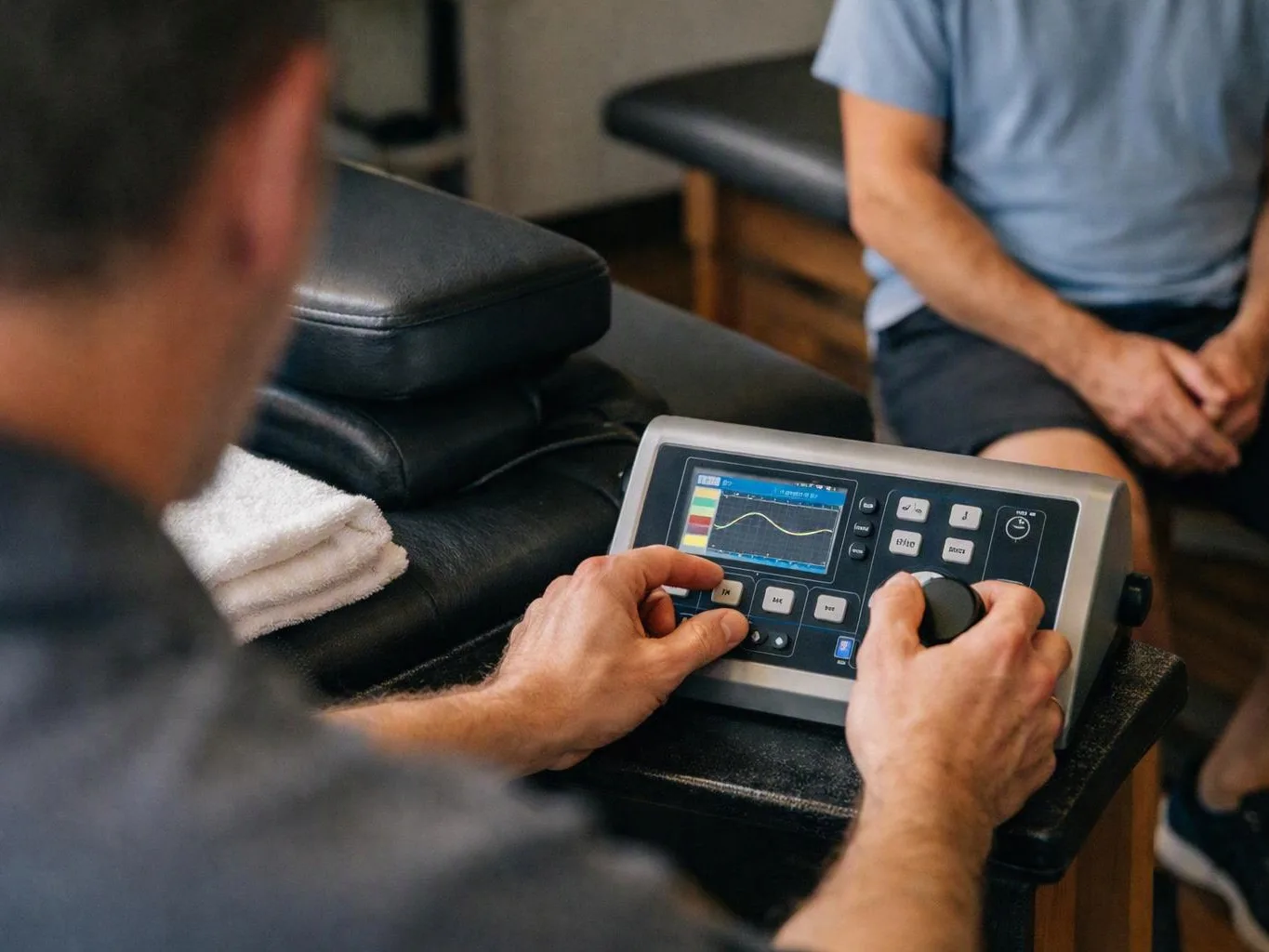
How Long Does Spinal Decompression Therapy Take to Work?
Spinal Decompression Therapy does not follow one fixed timeline; Advanced Injury Care Clinic evaluates your condition, tracks your response, and adjusts care around your progress.
Request an EstimateHow Long Does Spinal Decompression Therapy Take to Work?
Spinal decompression therapy takes a different amount of time for each person because the underlying condition, symptoms, goals, and response to care shape the timeline.
Some people notice changes in symptom relief before they notice better movement or daily function. Others need a care plan that addresses back pain, neck pain, disc-related symptoms, or nerve pressure over time. We use your response to care to guide safe changes to the treatment plan.
Individual response can also change during care. Our team looks at symptom patterns and functional improvement instead of promising a set timetable.
What Changes the Spinal Decompression Treatment Timeline?
The spinal decompression treatment timeline changes according to the condition being treated, the severity of symptoms, daily demands, and how the body responds to care. Our team reviews these factors during care-plan reviews.
The table below shows how each factor can affect the pace of progress.
| Factor | How it can affect progress | What we review |
|---|---|---|
| Diagnosis | Different spinal conditions can respond in different ways. | The suspected cause of symptoms and whether decompression fits the condition. |
| Severity | More limiting symptoms may require a more gradual care plan. | Pain, movement limitations, strength, and function. |
| Symptom duration | Long-standing symptoms may need careful progress monitoring. | How symptoms began and how they have changed. |
| Nerve irritation | Nerve-related symptoms can affect comfort and activity tolerance. | Radiating symptoms, sensation changes, and strength concerns. |
| Daily activities | Work, exercise, lifting, and sitting demands can influence symptoms. | Activities that increase or reduce symptoms. |
| Treatment response | A clear response may support progression, while limited change may call for review. | Symptoms, movement, function, and tolerance after care. |
What Happens During a Spinal Decompression Care Plan?
A spinal decompression care plan begins with an evaluation, connects treatment to the patient’s goals, and uses progress reviews to guide the next step.
Our clinical evaluation includes a medical history and movement assessment. We use those findings to understand the spinal condition, identify movement limits, and decide whether decompression therapy is appropriate.
We then connect care to practical treatment goals, such as improved movement, better walking tolerance, or more comfortable daily activity. Chiropractic rehabilitation may support this process by addressing strength, mobility, body mechanics, and activity control.
Progress monitoring continues throughout care. We use your treatment response to decide whether the plan should continue, progress, or receive a care-plan adjustment.
Which Factors Can Shorten or Extend the Timeline?
Several personal and clinical factors can shorten or extend the spinal decompression timeline. We review these factors so the care plan reflects your actual progress.

Your daily choices also matter because repeated strain can affect how symptoms respond between visits.
How Do We Know Whether Spinal Decompression Is Helping?
Spinal decompression is helping when reassessment shows meaningful improvement in symptoms, movement, or daily function.
We track the pain pattern, range of motion, strength, and walking tolerance. We also ask how your symptoms affect work, sleep, exercise, and other daily activities.
A progress assessment compares your current function with your earlier findings. Improvement may appear as less frequent pain, easier movement, improved strength, or greater tolerance for daily tasks.
Our team uses these findings to guide chiropractic rehabilitation and make the treatment plan more specific to your needs.
When Should You Reassess Your Spinal Decompression Plan?
You should reassess a spinal decompression plan when symptoms change, progress stalls, or new concerns affect safe participation in care.
New symptoms or worsening symptoms should be reported promptly so we can review whether the current plan remains appropriate. A change in pain, strength, sensation, or daily function may require a care-plan adjustment.
We also review care when progress does not match the treatment goals. Our team can reassess the clinical findings, modify chiropractic rehabilitation, or discuss whether another approach is needed.
Questions About Spinal Decompression Therapy Timelines
Can spinal decompression work immediately?
Spinal decompression can produce an early change in symptoms for some people, but Advanced Injury Care Clinic does not promise immediate results. We assess symptom relief, movement, and daily function as care continues.
Why do some people respond to spinal decompression faster than others?
People respond at different speeds because diagnosis, symptom severity, symptom duration, nerve irritation, activity demands, and treatment response differ from person to person.
What should you do if spinal decompression is not improving your symptoms?
If spinal decompression is not improving your symptoms, contact us for a progress reassessment. We review your findings, treatment response, and goals before making a care-plan adjustment.
Can chiropractic rehabilitation support spinal decompression progress?
Yes, chiropractic rehabilitation can support spinal decompression progress by addressing movement, strength, body mechanics, and daily activity tolerance. We connect rehabilitation work to your clinical findings and goals.
How is progress measured during spinal decompression therapy?
Progress during spinal decompression therapy is measured through symptom tracking, range of motion, strength, walking tolerance, and daily function. We compare these findings during progress assessments.
Advanced Injury Care Clinic evaluates your symptoms, explains the care timeline, and reviews your progress so your plan can follow your needs.
Contact Advanced Injury Care Clinic to discuss your spinal decompression care plan.
Related Resources
Spinal Decompression Therapy Benefits: Who May Benefit and Why
When You Need ItSigns You Need Chiropractic Care After a Car Accident
When You Need ItWhen Back Pain or Sciatica Symptoms Mean You Should See a Chiropractor
What It SolvesWhat to Discuss at an Auto Accident Injury Treatment Visit