What to Discuss at an Auto Accident Injury Treatment Visit
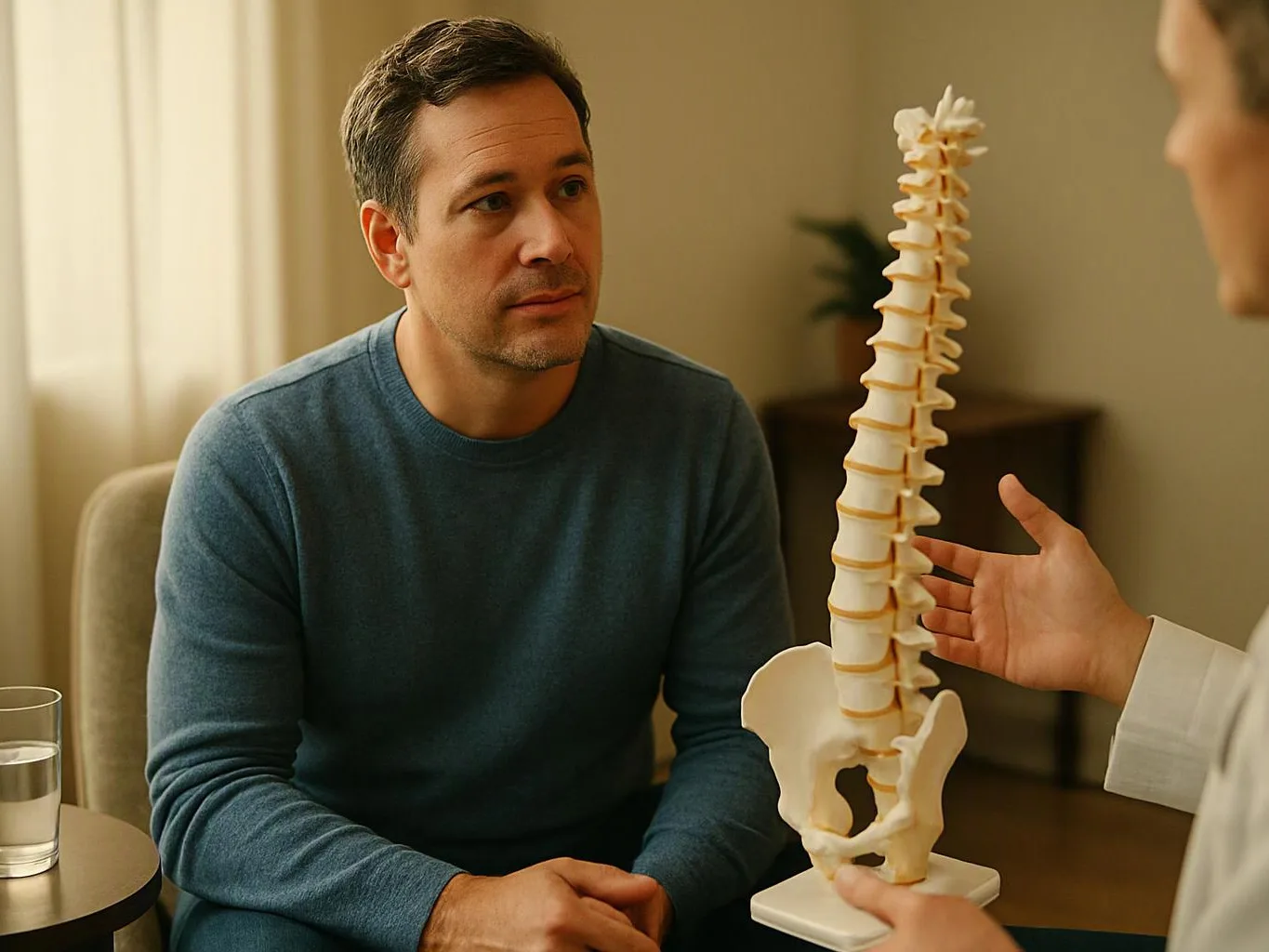
Auto accident injury treatment starts with a complete discussion of your symptoms, health history, accident details, medications, treatment goals, and questions. Advanced Injury Care Clinic uses that information to plan appropriate chiropractic adjustment, physical therapy, or chiropractic rehabilitation.
Request an EstimateWhat Should You Bring to Your First Auto Accident Injury Treatment Visit?
Your first auto accident injury treatment visit is easier to assess when you bring accident details, relevant medical records, a medication list, and notes about your symptoms. Organized information helps our team understand your health history and focus the first treatment visit.

We review these materials with your description of pain location, pain triggers, and symptom onset. You can also bring a written list of treatment goals so our discussion stays focused on your needs.
Which Symptoms Should You Discuss After an Auto Accident?
Auto accident injury symptoms should be described by location, severity, timing, triggers, and changes since the collision. Clear details help us connect your symptoms with the injury assessment.
Symptoms can change after a collision, so mention both new concerns and symptoms that have improved. We use this history to guide the physical examination and decide what needs closer attention.
How Does Your Health History Affect Chiropractic Care?
Your health history affects chiropractic care because prior injuries, medical conditions, medications, and current symptoms can influence examination and treatment decisions. We review your history before choosing appropriate care.
Prior injuries and pre-existing conditions may affect how you move or respond to examination. Surgeries, medications, pregnancy, and bone health also matter when we consider a chiropractic adjustment or rehabilitation activity.
Neurological symptoms require careful discussion because numbness, weakness, or changes in coordination may affect the next step in care. Our team uses your health history and examination findings to shape a treatment plan that matches your condition.
What Accident Details Help Us Evaluate Your Injury?
Accident details help us evaluate injury by showing the forces involved and when symptoms began or changed. We ask about the motor vehicle collision in a clear order so important facts are not overlooked.
Tell us the impact direction, your seat position, and whether you were wearing a seat belt. Airbag deployment, vehicle damage, and the position of your body can also help explain the forces involved.
Describe symptom onset as accurately as you can. Include symptoms that appeared immediately and those that developed or changed after the collision.
What Causes Common Auto Accident Injuries?
Common auto accident injuries result from sudden changes in motion, impact forces, and the body's position during a collision. We connect these factors with your symptoms during the injury assessment.
The same collision type can affect people differently. We consider the collision details, your position, and your symptoms together rather than relying on vehicle damage alone.
What Will We Check During the First Visit?
During the first visit, Advanced Injury Care Clinic checks your symptoms, movement, joint function, muscle response, posture, and relevant neurological signs. Our physical examination helps us understand how the injury affects your body.
We may assess range of motion, muscle tension, joint function, posture, and the pain pattern linked to specific movements. We also consider neurological screening findings when symptoms include numbness, tingling, weakness, or changes in coordination.
These findings help us explain the next steps in a clear way. We do not base treatment decisions on pain location alone because movement and nervous system findings add important context.
What Should You Ask About Chiropractic Adjustment and Rehabilitation?
Questions about chiropractic adjustment and rehabilitation should focus on the purpose of each treatment, how progress is monitored, and what you can safely do between visits. We explain how each recommended option relates to your examination findings and treatment goals.
Ask what a chiropractic adjustment is intended to address, which movements may be appropriate, and how your response will be reviewed. You can also ask about treatment alternatives, activity limits, home exercises, and signs that should be reported to our team.
Chiropractic rehabilitation may include movement-based care that supports mobility, strength, and function. We use progress monitoring to review symptom changes and adjust the care plan when your condition changes.
What Questions Should You Ask About Physical Therapy?
Physical therapy questions should clarify how therapeutic exercise supports mobility, strengthening, functional movement, and daily activities. Our team can explain how a home exercise program fits with your broader rehabilitation plan.
How Can You Prepare for a Chiropractic Appointment?
You can prepare for a chiropractic appointment by organizing your health history, recording symptom changes, listing medications, and writing down treatment questions. Preparation helps you give our team a useful picture of your condition.
Bring your notes even if symptoms seem familiar during the appointment. Written details can make it easier to identify patterns and discuss progress monitoring.
How Can You Reduce the Risk of Further Injury?
You can reduce the risk of further injury by following care instructions, modifying painful activities, using safe movement, and discussing worsening symptoms with our team. Prevention during recovery depends on matching activity to your current condition.
Worsening pain, new numbness, weakness, or other concerning neurological symptoms should be discussed promptly. We use those updates to decide whether your care plan needs review.
What Happens After the First Auto Accident Injury Treatment Visit?
After the first auto accident injury treatment visit, we use the examination findings and your goals to explain appropriate care options and follow-up monitoring. Our team connects the findings to a clear care plan.
The care plan may include chiropractic treatment, physical therapy, chiropractic rehabilitation, home exercises, or follow-up evaluation. We explain the purpose of each option and how symptom tracking will guide future decisions.
Our team reviews your response during follow-up visits and updates recommendations when your movement, pain pattern, or function changes. Advanced Injury Care Clinic also offers Free Consultations so you can discuss your concerns with our team.
Contact Advanced Injury Care Clinic to discuss your auto accident injury treatment needs and arrange the next step.