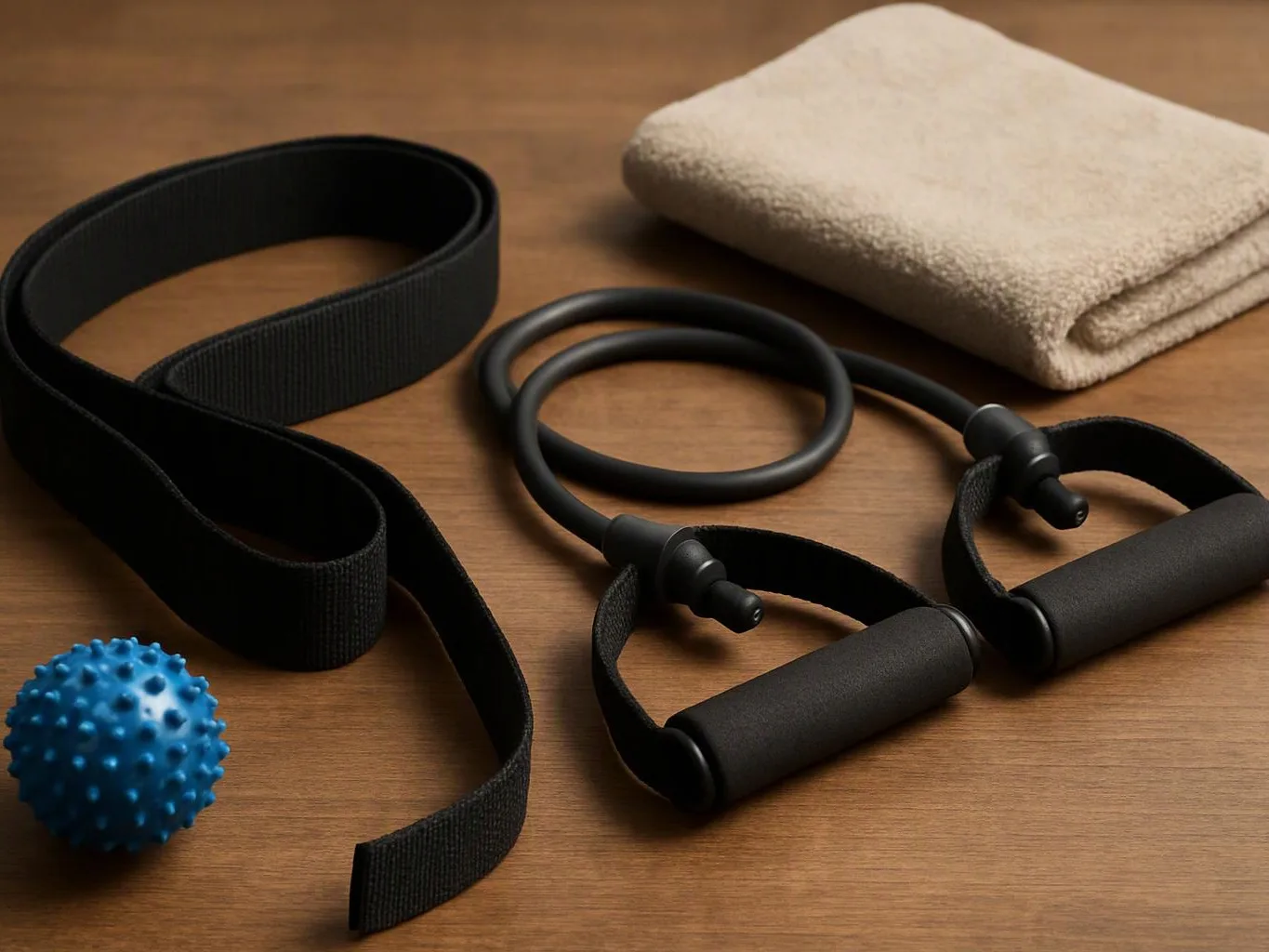
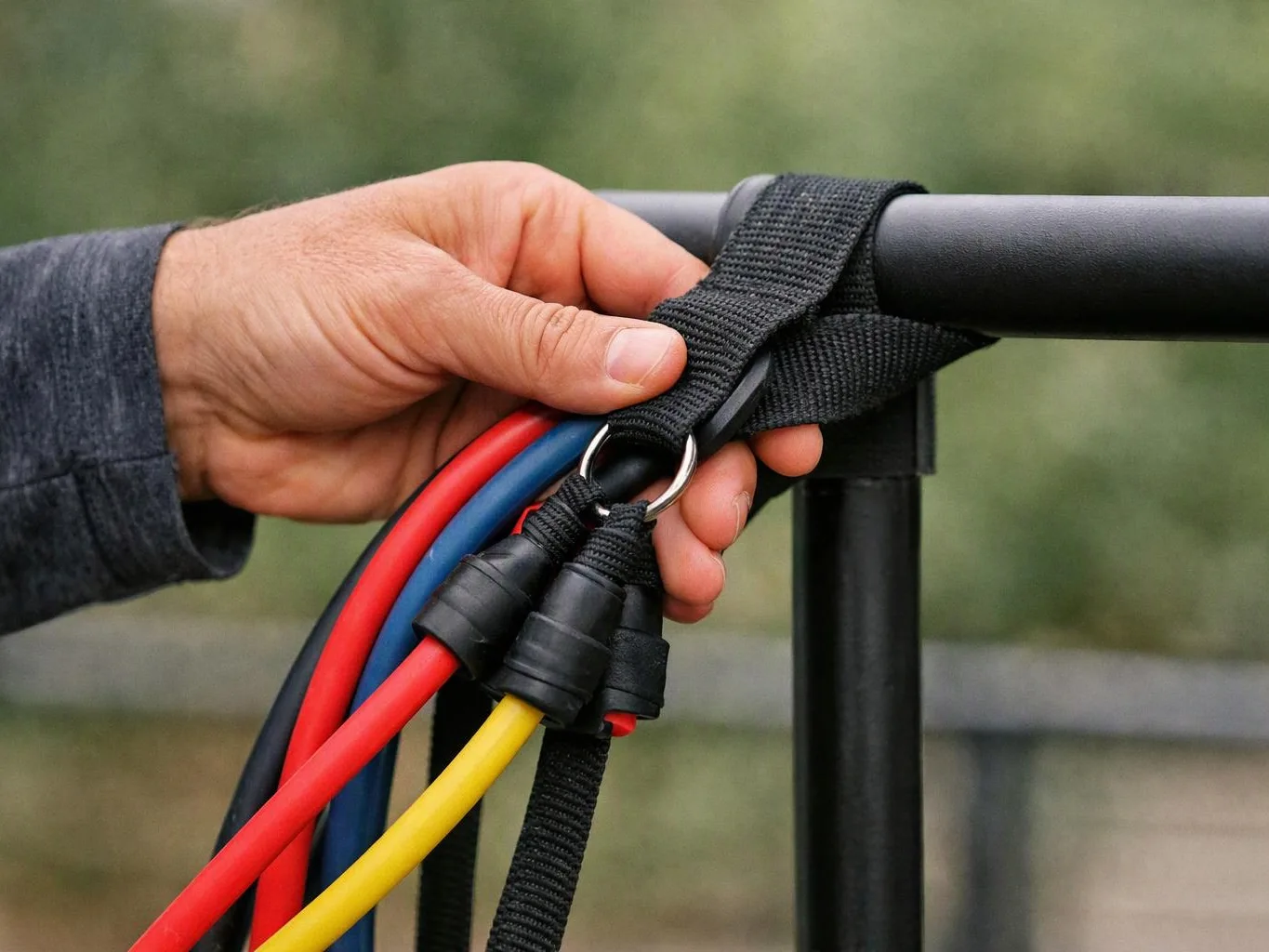
Questions to Ask at a Sports Injury Treatment Consultation
Sports injury treatment consultations should cover your symptoms, injury history, diagnosis, treatment options, risks, goals, home care and follow-up; Advanced Injury Care Clinic uses these questions to help shape an appropriate care plan.
Request an EstimateWhat Should You Ask About Your Sports Injury Diagnosis?
Sports injury diagnosis questions should clarify what may be injured, how the assessment supports that conclusion and whether further evaluation is appropriate.
Ask which tissues may be involved, what the symptoms suggest and how the injury history affects the clinical assessment. We review the injury mechanism, pain location, symptom timeline and activity changes before completing a physical examination.
Ask what the movement assessment shows, whether your range of motion, muscle strength or joint stability needs attention, and whether imaging or referral may be appropriate. Our findings guide the diagnosis and the treatment plan.
Which Symptoms Should You Mention at the Consultation?
Every symptom can help us understand the sports injury, especially when you explain when it started and which activities change it.
Describe the symptoms that affect daily tasks, training and sleep. Include changes that seem minor if they began after the injury.
What Caused the Sports Injury?
The cause of a sports injury may be a single event, repeated stress or a change in how your body handles activity.
We ask about training changes, movement habits and the setting where the injury occurred. These details help us address the cause as well as the symptoms.
What Treatment Options Could Support Your Recovery?
Treatment options depend on the injury findings, your symptoms, your activity demands and your recovery goals.
Sports injury treatment may include physical therapy, sports massage, chiropractic rehabilitation, kinesiology taping, manual therapy or therapeutic exercise. We select care based on your clinical assessment and explain how each option may support your recovery.
Your recovery plan may include activity modification, home care and a gradual return to sport. We adjust the plan as your symptoms, mobility, strength and function change.
When Might Physical Therapy Help a Sports Injury?
Physical therapy may help when recovery requires improved strength, mobility, balance or control during activity.
We can use progressive exercises to address movement limits and build tolerance for sport-specific tasks. Your plan may connect strengthening and mobility work with a safe return to activity.
How Can Chiropractic Rehabilitation Fit the Treatment Plan?
Chiropractic rehabilitation can fit the treatment plan when joint mobility, movement coordination and exercise progression affect functional recovery.
We assess how joints and surrounding tissues move during relevant tasks. Care may combine manual therapy with exercises that help you regain control and confidence in movement.
When Could Sports Massage or Kinesiology Taping Be Used?
Sports massage or kinesiology taping may be used when soft tissue treatment, external support or improved movement tolerance fits your findings.
Sports massage may address muscle and soft tissue restrictions that affect comfortable movement. Kinesiology taping may provide support or sensory feedback while you work on normal movement.
How Will You Know Whether Treatment Is Working?
Treatment progress should be judged against functional goals, symptom changes and your ability to perform relevant movements safely.
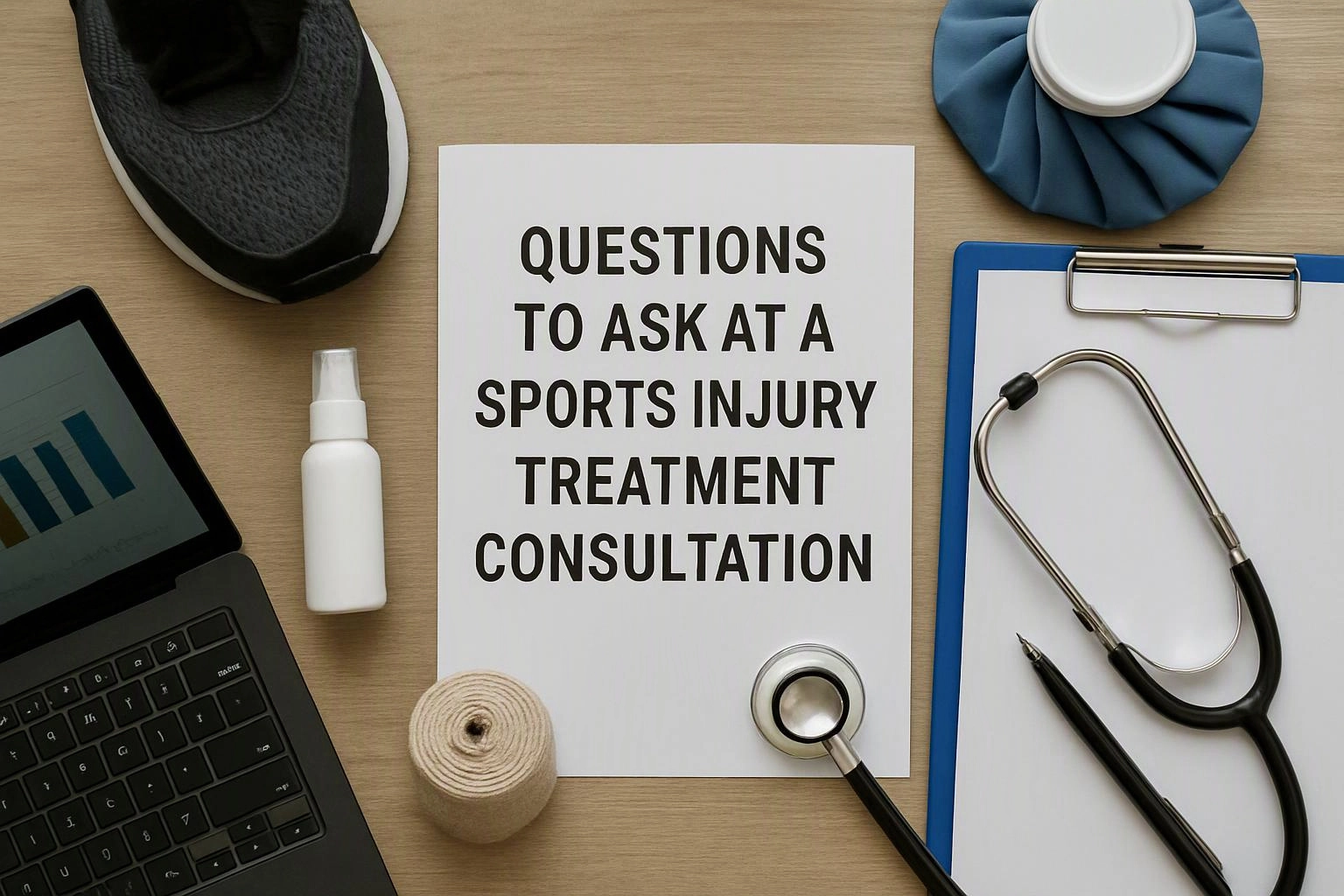
Ask how we will track your pain response, range of motion, strength and function. Progress may also include better control during training tasks and improved confidence with a return to sport.
Recovery progress is not based on pain alone. We compare your response with the treatment goals and update the care plan when the findings or activity demands change.
What Should You Ask About Treatment Safety?
Safety questions should address precautions, relevant health information, warning signs and whether another type of medical evaluation is needed.
Tell us about your medical history, medications and previous injuries before treatment begins. We use this information to identify contraindications and select appropriate care.
Ask which red flags require prompt medical attention and what changes should lead to referral. Worsening symptoms, new neurological changes or loss of function should be reported rather than ignored.
What Should You Bring to a Physical Therapy or Chiropractic Appointment?
Bring information that helps us connect your symptoms with the injury and your activity goals.
A clear record can make the initial consultation more focused. Use this checklist to prepare for the appointment.
How Can You Prevent Another Sports Injury?
Injury prevention works best when training, movement quality and recovery support the demands of your sport.
We can help you identify habits that increase strain and build practical changes into your activity plan.
What Happens After the Initial Consultation?
After the initial consultation, Advanced Injury Care Clinic explains the recommended care plan, home activities, progress checks and next steps.
We outline the treatment schedule and show you how to complete your home exercise plan safely. Your home care may include mobility work, strengthening, activity modification or other exercises.
Follow-up care includes reviewing your response, repeating relevant parts of the movement assessment and updating the plan. Return-to-sport planning develops as your function and tolerance improve.
How Can Advanced Injury Care Clinic Help With Sports Injury Treatment?
Advanced Injury Care Clinic provides sports injury treatment through consultation, clinical assessment and an individualized treatment plan.
We may use physical therapy, sports massage, chiropractic rehabilitation, kinesiology taping, manual therapy and therapeutic exercise when those options fit your findings and goals.
Our team connects symptom review, movement assessment, home exercise and follow-up care to help you make informed decisions about recovery and return to sport.
Contact Advanced Injury Care Clinic to arrange a consultation and discuss the factors that shape your care plan.
Questions About Sports Injury Consultations
Should I bring imaging results to a sports injury consultation?
Yes, bring imaging results and reports when they relate to the current sports injury. Advanced Injury Care Clinic reviews available information alongside your symptoms and physical examination.
Can I ask about returning to sports during the first appointment?
Yes, ask about returning to sports during the first appointment. The answer depends on your symptoms, function, movement findings and response to activity.
What medical history should I share during a sports injury assessment?
Share previous injuries, relevant medical conditions, medications, surgeries and any earlier care connected to your symptoms. This information helps us plan safe assessment and treatment.
Should I stop exercising before a sports injury consultation?
Do not push through activities that sharply increase symptoms before the consultation. Continue only activity that feels safe, and bring details about how exercise affects your pain and function.
Can treatment change if my symptoms worsen after the consultation?
Yes, treatment can change if symptoms worsen or new warning signs appear. Contact our team so we can review the change, adjust home care or recommend further evaluation when appropriate.
Related Resources
Spinal Decompression Therapy Benefits: Who May Benefit and Why
Why It MattersBenefits of Physical Therapy for Injury Recovery and Mobility
When You Need ItSigns You Need Chiropractic Care After a Car Accident
When You Need ItSports Injury Warning Signs That Mean You Should See a Chiropractor