How Postural Correction and Corrective Exercise Therapy Work Together
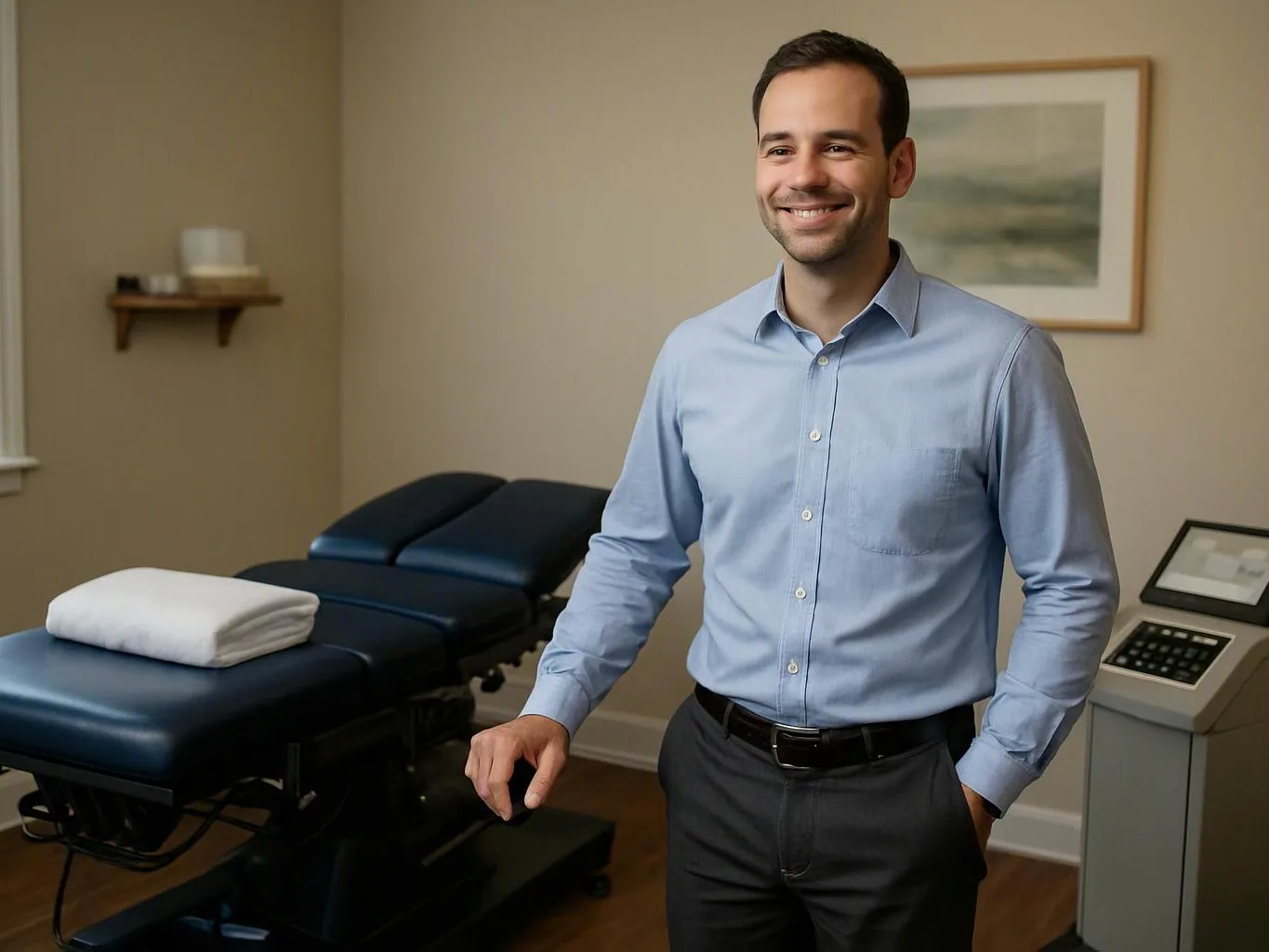
Postural Correction and Corrective Exercise Therapy work together by identifying movement and alignment concerns, reducing strain, and building better movement habits. Advanced Injury Care Clinic combines assessment, hands-on chiropractic care, and guided exercises to support a coordinated recovery plan.
Request an Estimate
What Is the Difference Between Postural Correction and Corrective Exercise Therapy?
Postural Correction addresses alignment and movement habits, while Corrective Exercise Therapy trains the body to maintain improved movement control.
Postural Correction focuses on how posture, spinal alignment, shoulder position, pelvic position, and joint mechanics affect movement. Our team uses a postural assessment to identify patterns that may place extra strain on muscles and joints.
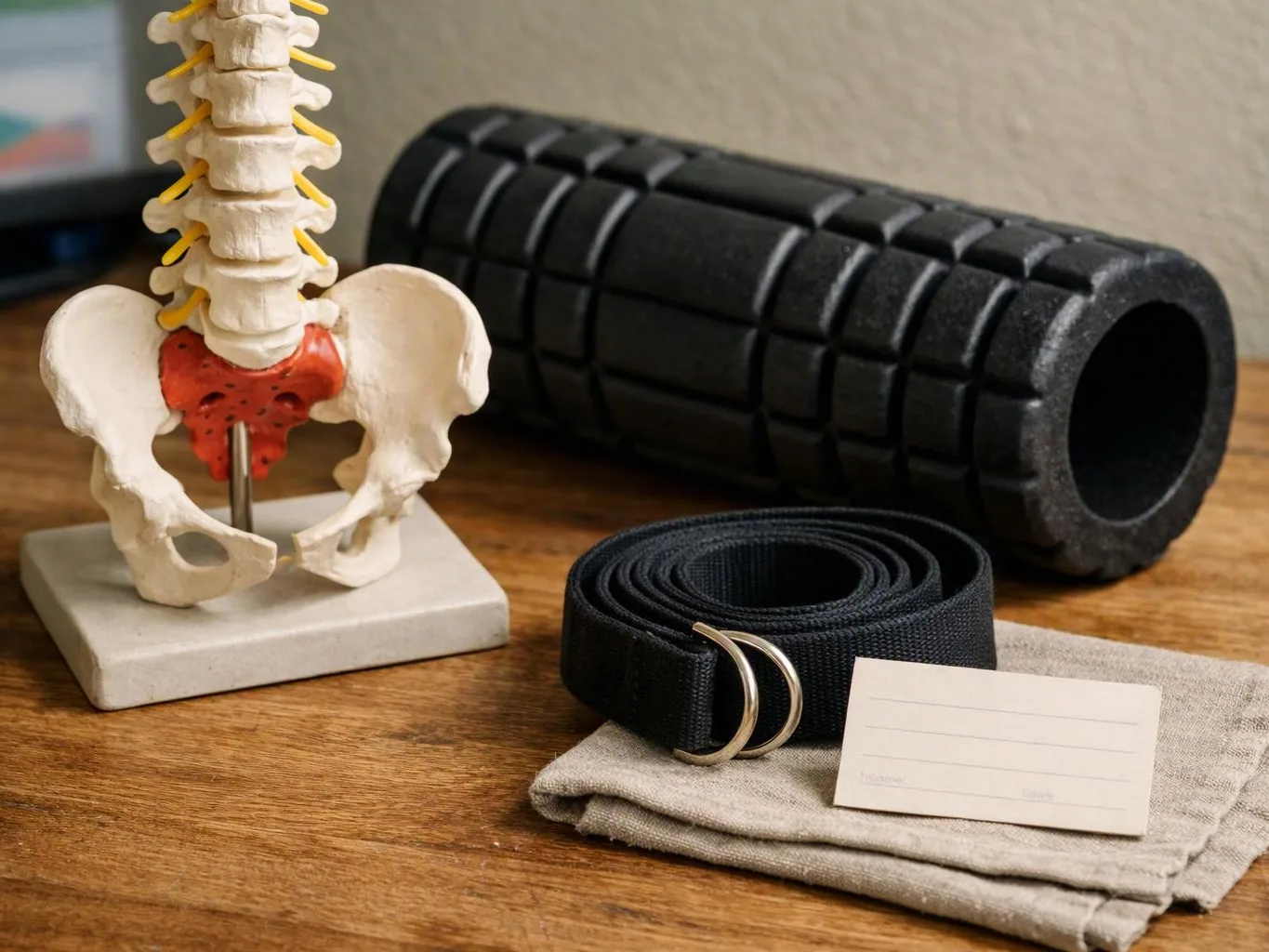
Corrective Exercise Therapy uses mobility exercises, strengthening exercises, and motor-control exercises to help the body use better movement patterns. We connect these exercises to muscle balance, stability, strength, and pain-free movement.
When Do Both Services Work Better Together?
Postural Correction and Corrective Exercise Therapy work well together when alignment concerns and movement-control problems contribute to the same functional limitation. We consider both the source of the strain and the person’s ability to control movement.
Combined care may be useful when a person has:
Our team uses the assessment findings to decide whether alignment-focused care, active exercise, or both belong in the rehabilitation plan.
How Do the Two Services Support the Same Recovery Plan?
The two services support one recovery plan by connecting alignment assessment, appropriate hands-on care, and exercises that reinforce functional movement.
Chiropractic Rehabilitation may combine a Chiropractic Adjustment with movement training when joint mechanics and movement control affect the same goal. We use the findings from the assessment to guide the next part of care.
Physical Therapy and corrective exercise may also address related needs. Care coordination helps keep the exercise progression connected to the person’s symptoms, mobility, strength, and functional goals.
The plan can change as movement improves. Our team reviews how the body responds and adjusts the rehabilitation plan when the original exercise or care approach no longer matches the person’s needs.
How Postural Correction and Corrective Exercise Therapy Work Together
Postural Correction identifies alignment and movement priorities, while Corrective Exercise Therapy helps the patient practice and retain the required movement changes.
The two services can work together through the following sequence:
Exercise progression depends on how well the person controls the movement and how symptoms respond. We use that response to guide the next step.
What Happens During a Coordinated Chiropractic Rehabilitation Plan?
A coordinated Chiropractic Rehabilitation plan begins with an assessment, connects treatment to functional goals, and adjusts exercises as movement changes.
Each step gives our team information for the next decision. The plan remains focused on useful movement and practical recovery goals.
What Should You Discuss Before Beginning Treatment?
Before treatment begins, your symptoms, daily activities, previous injuries, exercise tolerance, and treatment goals help shape the care plan.
What Can Change the Scope of a Combined Care Plan?
The scope of a combined care plan changes with the person’s functional goals, movement limitations, injury history, and response to care.
A person who wants to move more comfortably through daily activities may need a different plan from someone returning to demanding work or exercise. We match the care plan to the required movement, current tolerance, and relevant limitations.
Injury history can affect exercise selection and the need for care coordination. Our team also considers whether mobility, stability, strength, or motor control is the main barrier to functional recovery.
Cost is shaped by the scope of assessment, hands-on care, exercise instruction, progression needs, and coordination with related care. We explain what the recommended plan includes and provide exact pricing through our team.
How Does Advanced Injury Care Clinic Plan Combined Care?
Advanced Injury Care Clinic reviews posture, movement, and functional needs before coordinating care; our team explains upfront pricing, and Free Consultations are available to begin the discussion.
We begin by listening to the person’s symptoms, treatment history, daily movement demands, and recovery goals. Our team then connects the findings to Postural Correction, Corrective Exercise Therapy, Chiropractic Rehabilitation, and other appropriate care.
Our approach keeps hands-on treatment and active movement training connected. We also explain the expected exercise progression, home exercise needs, and factors that may change the scope of care.
What Should You Ask About a Combined Therapy Plan?
Questions about treatment goals, exercise progression, chiropractic rehabilitation, chiropractic adjustment, and physical therapy coordination help clarify how the plan will work.
Use these questions during a consultation:
Our team uses these discussions to explain the care sequence, home exercise expectations, and factors that may change the plan.
How Can You Prepare for Postural Correction and Corrective Exercise Therapy?
Preparing treatment history, symptom patterns, daily movement details, home exercises, and care expectations helps make the assessment more useful.
Bring information about previous care, injuries, exercise habits, and activities that increase or reduce symptoms. Describe how symptoms affect work, sleep, recreation, and household tasks.
Our team can use those details to connect the plan to real movement demands. You can also ask how home exercises should be performed and what changes should be reported during care.
Clear expectations support better communication and help keep the rehabilitation plan focused on safe, functional movement.
Questions About Postural Correction and Corrective Exercise Therapy
Can corrective exercises improve posture?
Yes, corrective exercises can improve posture by training mobility, strength, stability, and movement control. Advanced Injury Care Clinic selects exercises that support the alignment and movement goals identified during assessment.
Why does posture affect movement and pain?
Posture can affect movement and pain when alignment changes how muscles and joints share load during activity. Our team reviews posture, joint mechanics, and movement patterns to identify factors that may contribute to strain.
How is a corrective exercise plan adjusted when symptoms change?
A corrective exercise plan is adjusted by reviewing symptom changes, movement quality, exercise tolerance, and functional goals. We may change the exercise selection, movement difficulty, or progression when the current plan no longer matches the person’s response.
Can chiropractic rehabilitation include corrective exercises?
Yes, chiropractic rehabilitation can include corrective exercises when active movement training supports the person’s functional goals. We connect appropriate hands-on care with mobility, strengthening, and motor-control exercises when the assessment supports that approach.
Advanced Injury Care Clinic can review your posture, movement patterns, and functional goals to discuss a coordinated care plan. Request a Free Consultation through our team to begin the conversation.