Glossary

What is Neuromuscular Re-education?

Neuromuscular Re-education is a therapeutic approach that retrains the brain, nerves. And muscles to work together correctly after injury, surgery. Or chronic pain. It uses specific exercises, manual techniques. And feedback to restore normal movement patterns, reduce pain. And improve coordination and strength. This process helps the body relearn proper function and prevent future injuries.

Reviewed by ChiropractorBrentwood.comSources reviewed: American Physical Therapy Association, National Institutes of Health - Neuromuscular Rehabilitation

Quick Facts About Neuromuscular Re-education

Category

Rehabilitation therapy

Used for

Injury recovery, pain relief, movement correction

Common confusion

Often mistaken for general exercise or strength training

Also called

Neuromuscular retraining, Movement re-education

Often discussed with

Car Accident Injury Treatment, Work Injury Treatment

Key Takeaways About Neuromuscular Re-education

Understanding Neuromuscular Re-education
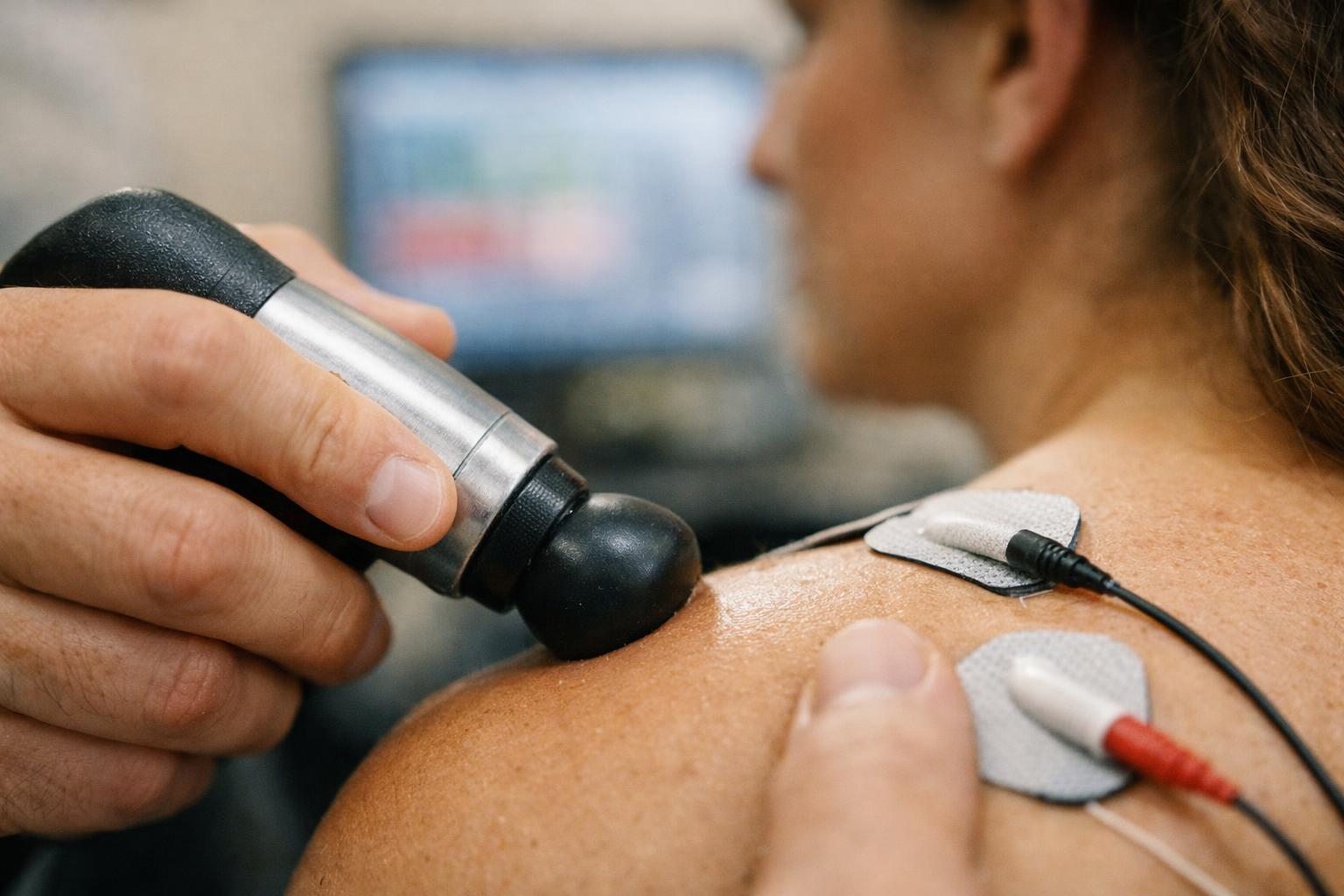
Neuromuscular Re-education in Chiropractor: Neuromuscular Re-education is a therapeutic approach that retrains the brain...

Neuromuscular Re-education is a special therapy. It helps the body heal after injuries or surgeries. It also helps with conditions that change how we move.

Related glossary terms: Chiropractic Adjustment, Soft Tissue Therapy, Posture Correction.

The brain, nerves. And muscles talk to each other. They control how we move, stand. And balance. If this talk breaks, we feel pain or weakness. We may move in strange ways.

This therapy teaches the body to move right again. It fixes the broken talk between nerves and muscles.

How Neuromuscular Re-education Works?

This therapy is not like regular exercise. It is not the same as physical therapy. Exercise makes muscles strong. Physical therapy helps you move better.

Neuromuscular Re-education works on nerves and muscles. It helps people relearn lost movements. They may walk without limping. They may lift things without pain. They may stay balanced after hurt.

The goal is to move naturally again. It aims for no pain, not just strength.

This therapy helps the brain and body talk again. A trained person guides you. This could be a chiropractor or therapist. They give feedback as you move.

Feedback can be touch, words. Or tools. Tools may show muscle activity. For example, a mirror can help. If you limp after a knee hurt, the guide helps. They break the walk into small steps.

They teach you to walk normally again.

Exercises are simple but exact. They may include balance drills. They may use gentle pushes or pulls. They may repeat motions to teach muscles.

The guide may use hands to move your body right. Over time, nerves learn the right signals. Pain goes down. Movement gets better.

Progress is seen in how you move. It is seen in pain levels. It is seen in daily tasks.

Why Neuromuscular Re-education Matters?
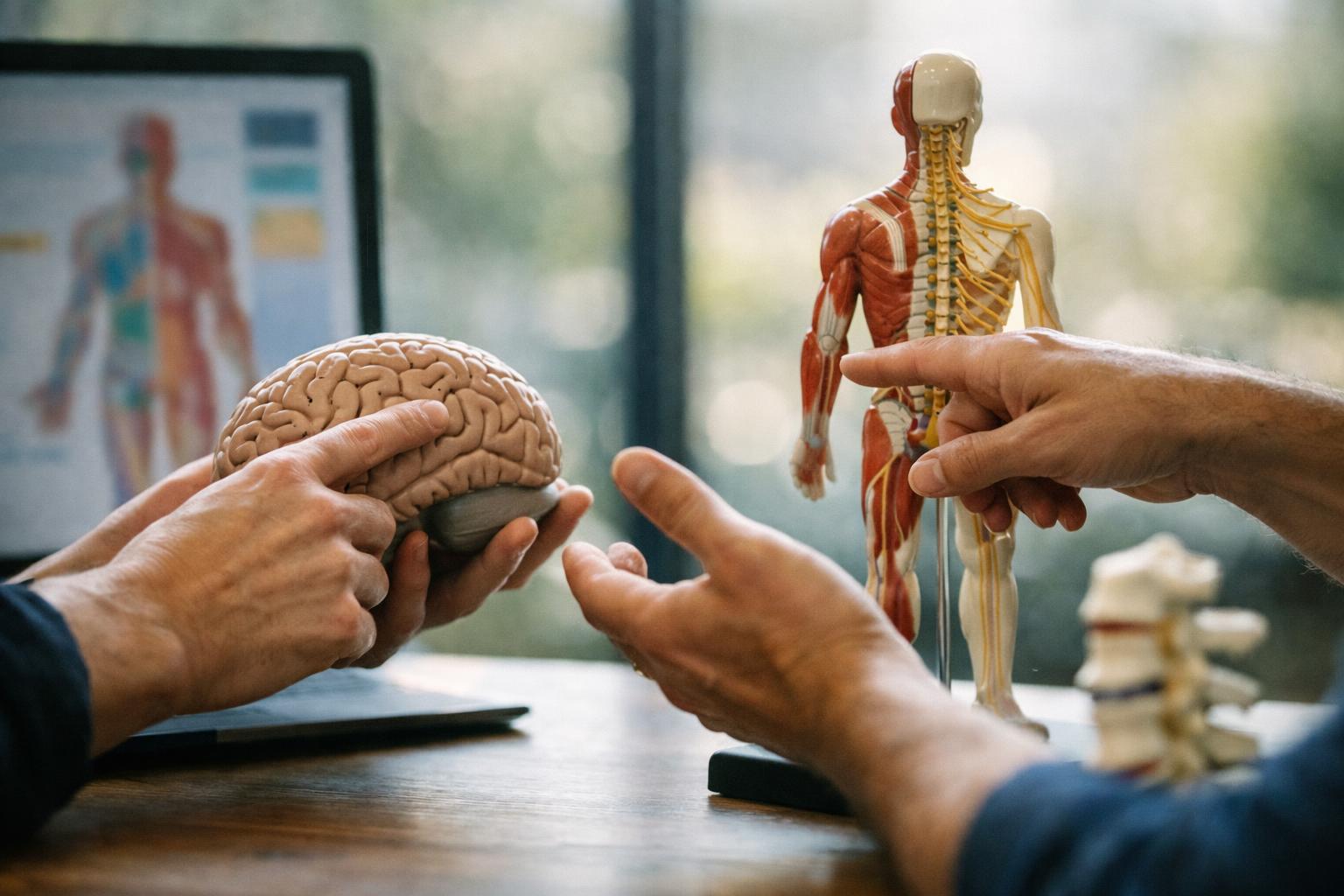
How Neuromuscular Re-education applies to Chiropractor services in Brentwood, United States—practical illustration

This therapy fixes the real cause of movement problems. It does not just hide symptoms. Pain or stiffness stays when nerves learn bad habits.

A person with back pain may tense muscles. This avoids pain but causes more hurt. This therapy teaches better ways to move.

It breaks bad habits. It reduces pain. It stops long-term damage.

This therapy also stops future hurts. Bad movement stresses joints and muscles. Over time, this causes wear and tear. It can lead to arthritis or tendonitis (pain in tendons).

Fixing movement early helps. It keeps you moving well as you age. It is great for athletes. It helps workers with tough jobs. It is good for older adults too.

When Neuromuscular Re-education Matters Most?

This therapy helps most after hurt or surgery. It helps when conditions change how you move. Common times include after car crashes. It helps after sports hurts.

It helps after surgeries like knee replacements. It works for long-term problems too. These include sciatica (nerve pain) or herniated discs (bulging spine cushions).

It helps with repetitive strain hurts. Carpal tunnel syndrome (wrist nerve pain) is one. People with balance problems or lasting pain may benefit.

This therapy helps daily life and sports. Someone with a shoulder hurt may relearn to lift. Athletes may use it to avoid more hurts.

In Brentwood, TN, active life is common. This therapy helps people return to fun activities. They can do so safely and with confidence.

How to Evaluate Neuromuscular Re-education?

Related Concepts Compared

Neuromuscular Re-education vs. Physical therapy

Physical therapy focuses on improving mobility, strength. And flexibility. While Neuromuscular Re-education specifically retrains the brain-muscle connection to restore correct movement patterns.

Neuromuscular Re-education vs. Strength training

Strength training builds muscle power. But Neuromuscular Re-education teaches the body how to use muscles correctly to prevent injury and improve coordination.

Neuromuscular Re-education vs. Myofascial release

Myofascial release targets tight or restricted soft tissues. While Neuromuscular Re-education focuses on retraining nerves and muscles to work together properly.

Expert Note

Neuromuscular Re-education is most effective when combined with other therapies, such as chiropractic adjustments or soft tissue work. The brain-muscle connection often needs both manual correction and active retraining to fully restore function after injury or chronic pain.

Common Mistakes or Myths About Neuromuscular Re-education

  • Assuming Neuromuscular Re-education is just another form of exercise.
  • Expecting immediate results without consistent practice of the movements.
  • Skipping sessions or not following through with home exercises, which slows progress.
  • Confusing it with massage or passive treatments that don’t involve active retraining.

Neuromuscular Re-education in Practice: A Real-World Example

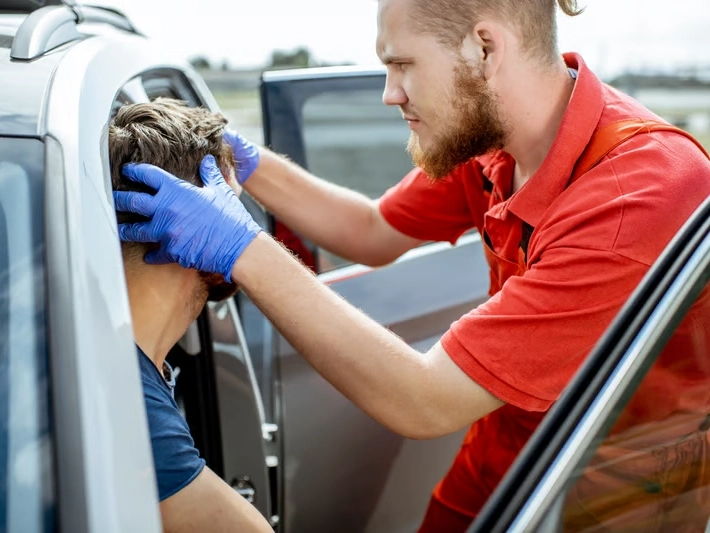
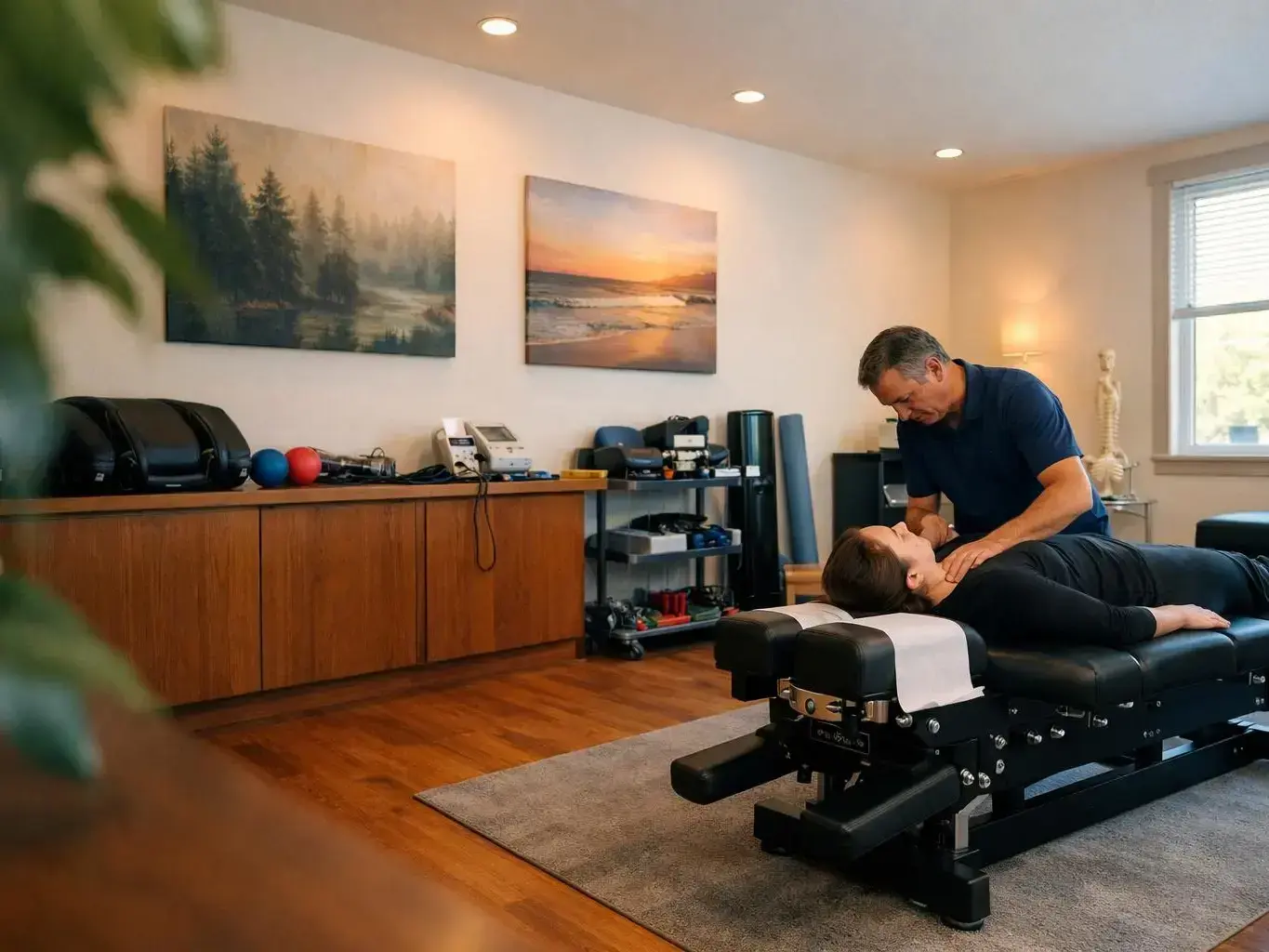
After a car accident, a patient struggles with neck pain and limited range of motion. Their chiropractor uses Neuromuscular Re-education to teach them how to move their head and shoulders without tensing their neck muscles. Over several sessions, the patient learns to maintain proper posture and reduce pain during daily activities like driving or working at a computer.

Sources & Further Reading on Neuromuscular Re-education

Related Services

Related Terms

Chiropractic Adjustment

Chiropractic Adjustment is a hands-on procedure where a licensed chiropractor applies controlled force to a specific joint, usually in the spine, to improve alignment, reduce pain. And restore movement. The goal is to correct joint dysfunction without surgery or medication, relying on the body’s natural ability to heal.

Soft Tissue Therapy

Soft Tissue Therapy is a hands-on treatment method that targets muscles, tendons, ligaments. And fascia to reduce pain, improve mobility. And speed healing. Soft Tissue Therapy uses techniques like massage, stretching. And pressure to break up scar tissue, release tension.

Posture Correction

Posture Correction is the process of identifying, adjusting. And strengthening the body’s alignment to reduce strain on muscles, joints. And ligaments. It involves exercises, ergonomic changes. And professional treatments to improve how a person stands, sits.

Mobilization

Mobilization is a gentle, manual therapy technique used by chiropractors and physical therapists to improve joint movement and reduce stiffness. Mobilization involves slow, controlled movements applied to a joint to restore its natural range of motion without forceful thrusts. This method helps relieve pain, enhance flexibility. And support recovery from injuries or chronic conditions.

ChiropractorBrentwood.com

Have Questions About Neuromuscular Re-education?

Contact ChiropractorBrentwood.com for practical guidance on Neuromuscular Re-education and related chiropractor work in Brentwood.

+1 615-777-0624