Understanding Posture Correction

Posture Correction helps your body stand and move right. It works for sitting, standing. Or lifting.
Poor posture happens when muscles get weak. Joints get stiff. Slouching becomes a habit.
This can hurt your spine, shoulders. And hips. It may cause pain or headaches. You might move less easily.
The goal is to teach your body a better way. It should stay balanced and neutral. This helps your muscles and joints.
Good posture lines up your ears, shoulders. And hips. They should make a straight line when seen from the side.
Bad posture makes some muscles work too hard. Others get weak. This creates imbalances.
Sitting hunched tightens chest muscles. It weakens upper back muscles. This makes it hard to stand tall.
Posture Correction fixes these problems. It uses exercises and stretches. It also makes small changes to help you stand right.
How Posture Correction Works?
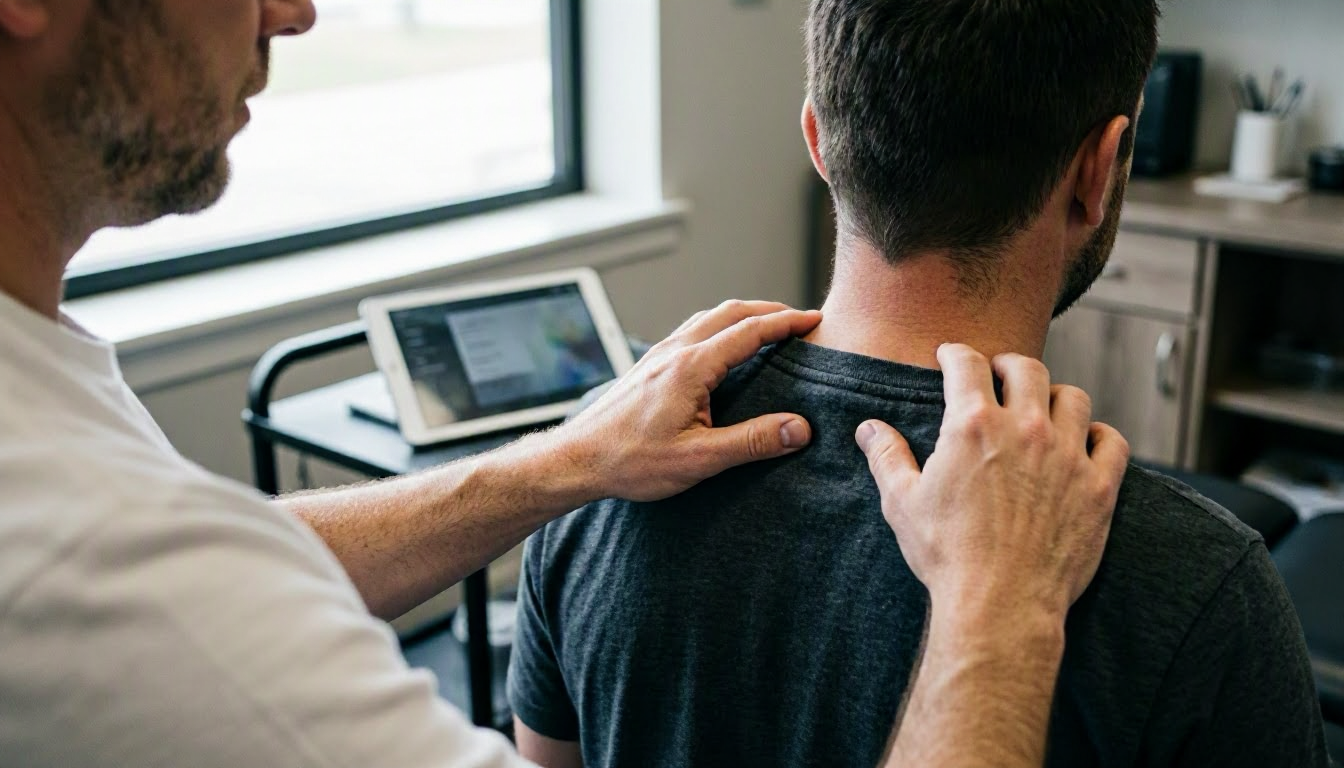
Posture Correction starts with a check-up. A doctor or therapist looks at how you stand and move.
They find problems like rounded shoulders. They may see your head stick too far forward. Or your hips may not line up.
Then they make a plan just for you. It often includes exercises and stretches. It may have changes to your chair or desk.
Strong core muscles help your spine. Stretching tight chest muscles helps too. These changes reduce slouching.
Ergonomic changes help your posture. This means setting up your workspace right.
You might raise your chair. You could use a cushion for your back. Or put your screen at eye level.
These changes help your body move better. Over time, they become habits.
Some people need extra help. A chiropractor (a spine doctor) can adjust your joints. This helps you move easier.
You must keep working at it. Small habits help a lot. Set reminders to stand straight.
Take short breaks to stretch. You can use a device to help your posture.
You may feel better fast. But long-term benefits need daily work.
Why Posture Correction Matters?
Poor posture doesn't just hurt for a little while. It can cause big problems later.
Bad posture puts too much pressure on your spine. This can hurt your discs (the cushions between bones).
It can wear down joints. It may pinch nerves. This leads to long-term pain.
Posture Correction helps stop these problems. It eases strain on your muscles and bones.
Good posture helps more than your back. It gives you more energy. It helps you breathe better.
Slouching squishes your lungs. This makes it hard to take deep breaths. It also slows digestion.
Standing straight helps your body work better. It reduces tiredness. It makes you feel good.
People who sit a lot need this most. It helps fight the effects of sitting too long.
When Posture Correction Matters Most?
Posture Correction helps people with pain. It works for neck, back. Or shoulder pain.
It's good for those who sit or stand a lot. It helps people who do the same tasks over and over.
Athletes can use it too. It helps them move better. It lowers injury risk.
Some people need it more at certain times. Teens with heavy backpacks may slouch.
Older adults may get stiff. Their muscles get weaker. This changes how they stand.
Pregnant women often need help. Their center of gravity shifts (their balance changes).
Fixing posture early stops small problems. They won't turn into big ones.
It helps people healing from injuries. It works after surgeries too.
After a car accident, you may move differently. This can hurt other body parts.
Posture Correction fixes these issues. It helps you heal faster. It stops new injuries.
In Brentwood, TN, many people sit at desks. Others lead active lives. Car accidents happen too.
Posture Correction keeps their bodies healthy. It works for the long term.