Understanding Graston Technique

Graston Technique is a specialized form of soft tissue therapy that helps healthcare providers address muscle, tendon. And ligament injuries. Unlike traditional massage, which relies on hands, Graston Technique uses smooth stainless-steel instruments to scan and treat areas of tightness or scar tissue. These tools allow providers to detect restrictions in soft tissue that may not be noticeable through touch alone. The technique is commonly used in physical therapy, chiropractic care. And sports medicine to improve mobility and reduce pain.
Related glossary terms: Soft Tissue Therapy, Chiropractic Adjustment, Electrical Muscle Stimulation.
The origins of Graston Technique trace back to traditional Chinese medicine, where similar tools were used to treat soft tissue injuries. In the 1990s, the method was refined and standardized for modern clinical use, with specific protocols for treating conditions like plantar fasciitis, tennis elbow. And rotator cuff injuries. Today, Graston Technique is taught through certified training programs, ensuring providers learn proper tool handling, pressure application. And patient safety.
How Graston Technique Works?
Graston Technique works by applying controlled pressure to soft tissue using specially designed instruments. The provider glides the tool over the skin, searching for areas of restriction or adhesions—bands of scar tissue that form after injury, surgery. Or overuse. When the tool encounters resistance, the provider applies targeted strokes to break down the adhesions, which helps restore normal tissue function. This process also stimulates blood flow to the area, promoting healing and reducing inflammation.
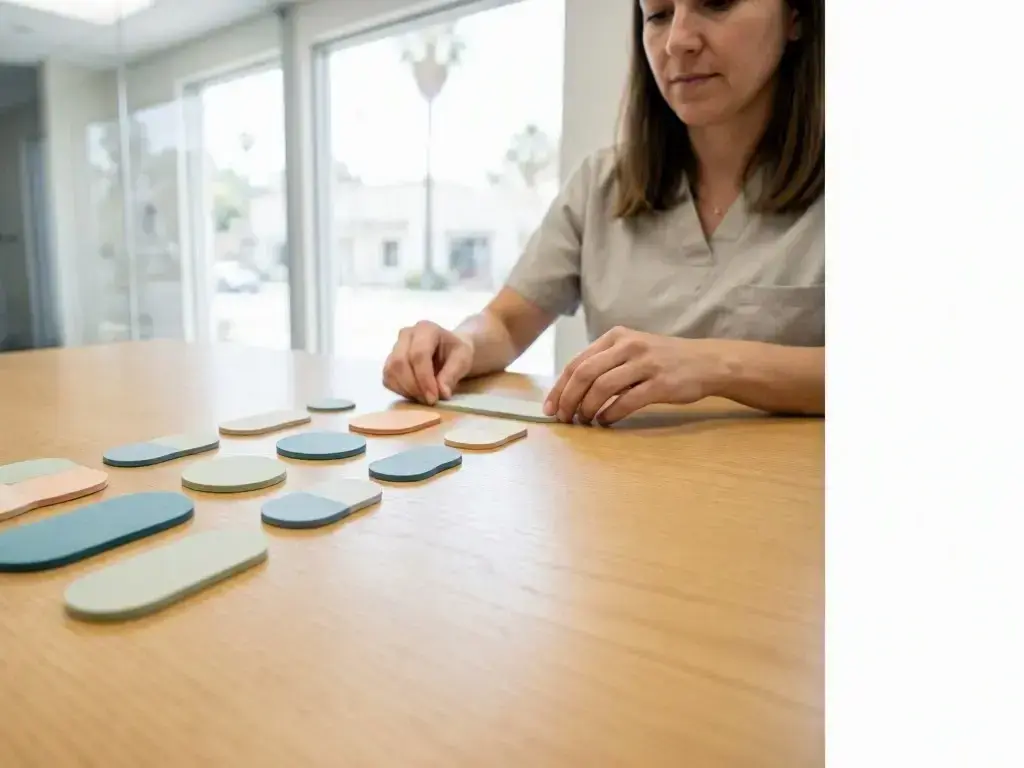
The instruments used in Graston Technique come in various shapes and sizes, each designed for specific body parts. For example, a smaller, curved tool may be used for delicate areas like the wrist or ankle. While a larger, flat tool is better suited for broader areas like the back or thigh. Treatment sessions typically last 10 to 15 minutes and are often combined with stretching, strengthening exercises. Or other therapies like chiropractic adjustments to boost results.
Patients may experience temporary redness, bruising. Or soreness after treatment, similar to the discomfort felt after deep tissue massage. These effects are normal and usually subside within a day or two. Most providers recommend drinking plenty of water after a session to help flush out toxins released during treatment and support the body’s healing process.
Why Graston Technique Matters?
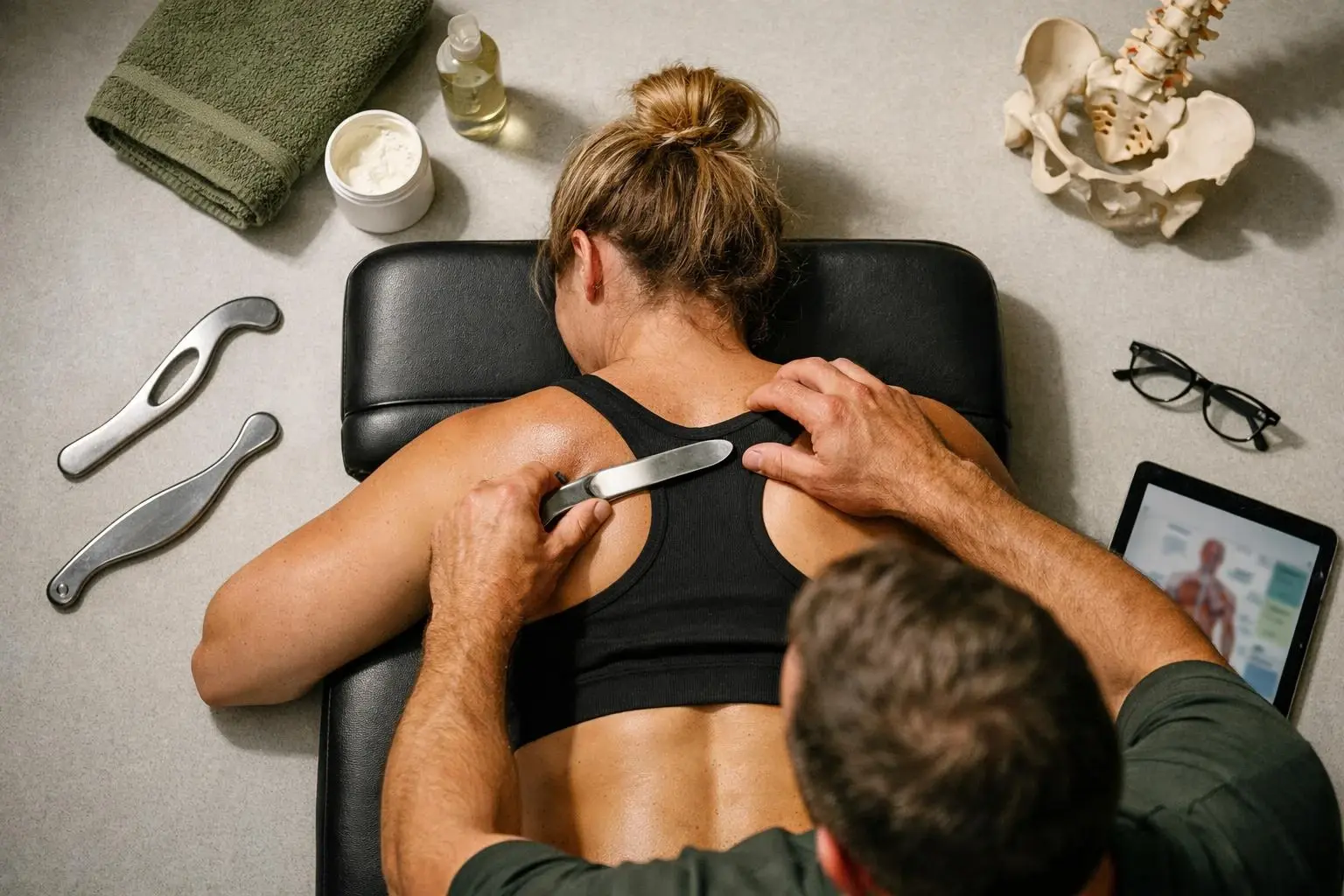
Graston Technique matters because it offers a non-invasive way to address soft tissue injuries that may not respond to traditional treatments like rest, ice. Or medication. Scar tissue and adhesions can limit movement, cause pain. And increase the risk of re-injury if left untreated. By breaking down these restrictions, Graston Technique helps patients regain flexibility, reduce pain. And return to daily activities or sports more quickly. This is particularly important for athletes, workers with physically demanding jobs. Or individuals recovering from surgery.
In practice, Another key benefit of Graston Technique is its ability to complement other therapies. For example, a patient receiving chiropractic adjustments for spinal misalignment may also benefit from Graston Technique to release tight muscles contributing to their discomfort. Similarly, physical therapists often use the technique to boost the effectiveness of stretching and strengthening exercises. This integrated approach can lead to faster and more lasting recovery outcomes.
When Graston Technique Matters Most?
Graston Technique is most valuable in situations where soft tissue injuries are causing persistent pain or limiting mobility. Common conditions treated with the technique include tendonitis (such as Achilles tendonitis or tennis elbow), muscle strains, ligament sprains. And post-surgical scar tissue. It's also frequently used for chronic conditions like plantar fasciitis, carpal tunnel syndrome. And back pain caused by tight muscles or fascial restrictions.
The technique is particularly useful for patients who have not found relief through conventional treatments like rest, ice. Or oral medications. For example, someone with chronic shoulder pain from a rotator cuff injury may benefit from Graston Technique to break down scar tissue and improve range of motion. Similarly, runners or athletes with recurring muscle tightness may use the technique to prevent injuries and maintain peak performance. But Graston Technique is not suitable for everyone—providers typically avoid using it on open wounds, fractures. Or areas with active infections.
In Brentwood, TN, Graston Technique is commonly used by chiropractors and physical therapists to help patients recovering from car accidents, workplace injuries. Or sports-related trauma. The technique’s ability to speed up healing and reduce reliance on pain medications makes it a practical choice for individuals seeking non-surgical solutions to soft tissue injuries.