Glossary

What is Electrical Muscle Stimulation?

Electrical Muscle Stimulation is a therapeutic technique that uses controlled electrical impulses to cause muscle contractions. These impulses mimic signals from the nervous system, helping to reduce pain, improve circulation. And strengthen muscles after injury or surgery. The treatment is non-invasive and typically administered using small electrodes placed on the skin.

Reviewed by Advanced Injury Care ClinicSources reviewed: American Physical Therapy Association, National Institutes of Health - Electrical Stimulation for Muscle Recovery

Quick Facts About Electrical Muscle Stimulation

Category

Physical therapy modality

Used for

Pain relief, muscle re-education, swelling reduction

Common confusion

Often mistaken for TENS, which targets nerves, not muscles

Also called

EMS, Neuromuscular Electrical Stimulation (NMES)

Often discussed with

Car Accident Injury Treatment, Work Injury Treatment

Key Takeaways About Electrical Muscle Stimulation

Understanding Electrical Muscle Stimulation
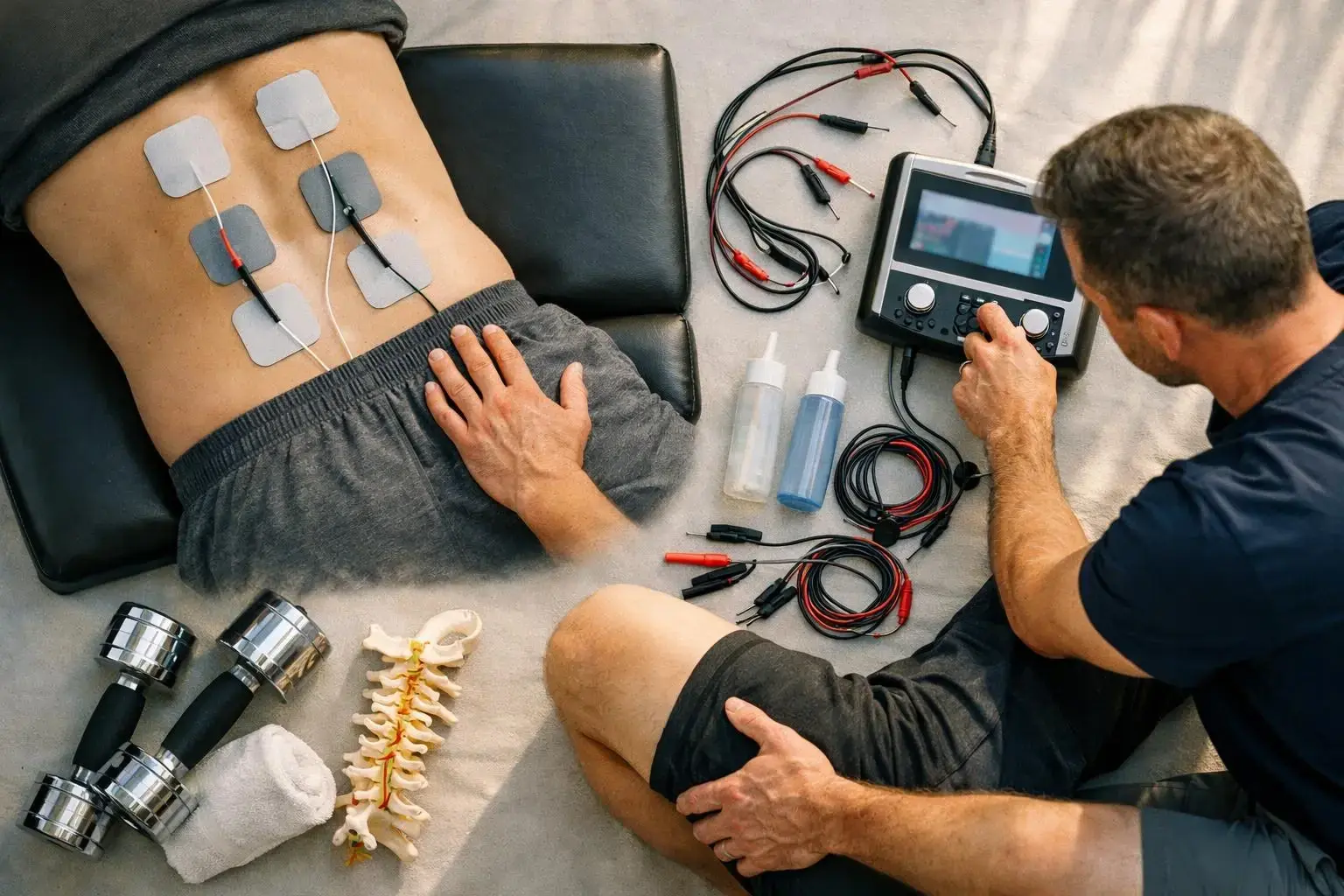
Electrical Muscle Stimulation in Chiropractor: Electrical Muscle Stimulation is a therapeutic technique that uses controll...

Electrical Muscle Stimulation (EMS) is a treatment method used in physical therapy and rehabilitation settings. It involves sending small electrical pulses through electrodes placed on the skin. These pulses cause muscles to contract and relax, similar to how the brain signals muscles during normal movement. Unlike painkillers or surgery, EMS works directly with the body’s natural processes to support healing.

Related glossary terms: Chiropractic Adjustment, Soft Tissue Therapy, Decompression Therapy.

The electrical impulses used in EMS are carefully controlled to ensure safety and effectiveness. The strength, frequency. And duration of the pulses can be adjusted based on the patient’s condition and comfort level. This makes EMS suitable for a wide range of injuries, including muscle strains, joint sprains. And post-surgical recovery. It's also commonly used to prevent muscle atrophy in patients who are temporarily unable to move certain parts of their body.

How Electrical Muscle Stimulation Works?

During an EMS session, small adhesive electrodes are placed on the skin over the targeted muscle groups. These electrodes are connected to a device that generates electrical impulses. When the device is turned on, the impulses travel through the electrodes and into the muscles, causing them to contract. The contractions can be gentle or strong, depending on the settings chosen by the provider.

The primary goal of EMS is to activate muscles that may not be functioning properly due to injury, pain. Or disuse. By forcing these muscles to contract, EMS helps improve blood circulation, reduce swelling. And prevent stiffness. Over time, repeated sessions can also help strengthen weakened muscles, making it easier for patients to regain normal movement and function. The treatment is typically painless. Though some patients may feel a mild tingling sensation during the session.

EMS is often combined with other therapies, such as chiropractic adjustments, stretching. Or exercise. This multi-modal approach helps address both the symptoms and underlying causes of musculoskeletal issues. For example, a patient recovering from a back injury might receive EMS to reduce muscle spasms, followed by a chiropractic adjustment to realign the spine. This combination can speed up recovery and improve overall outcomes.

Why Electrical Muscle Stimulation Matters?
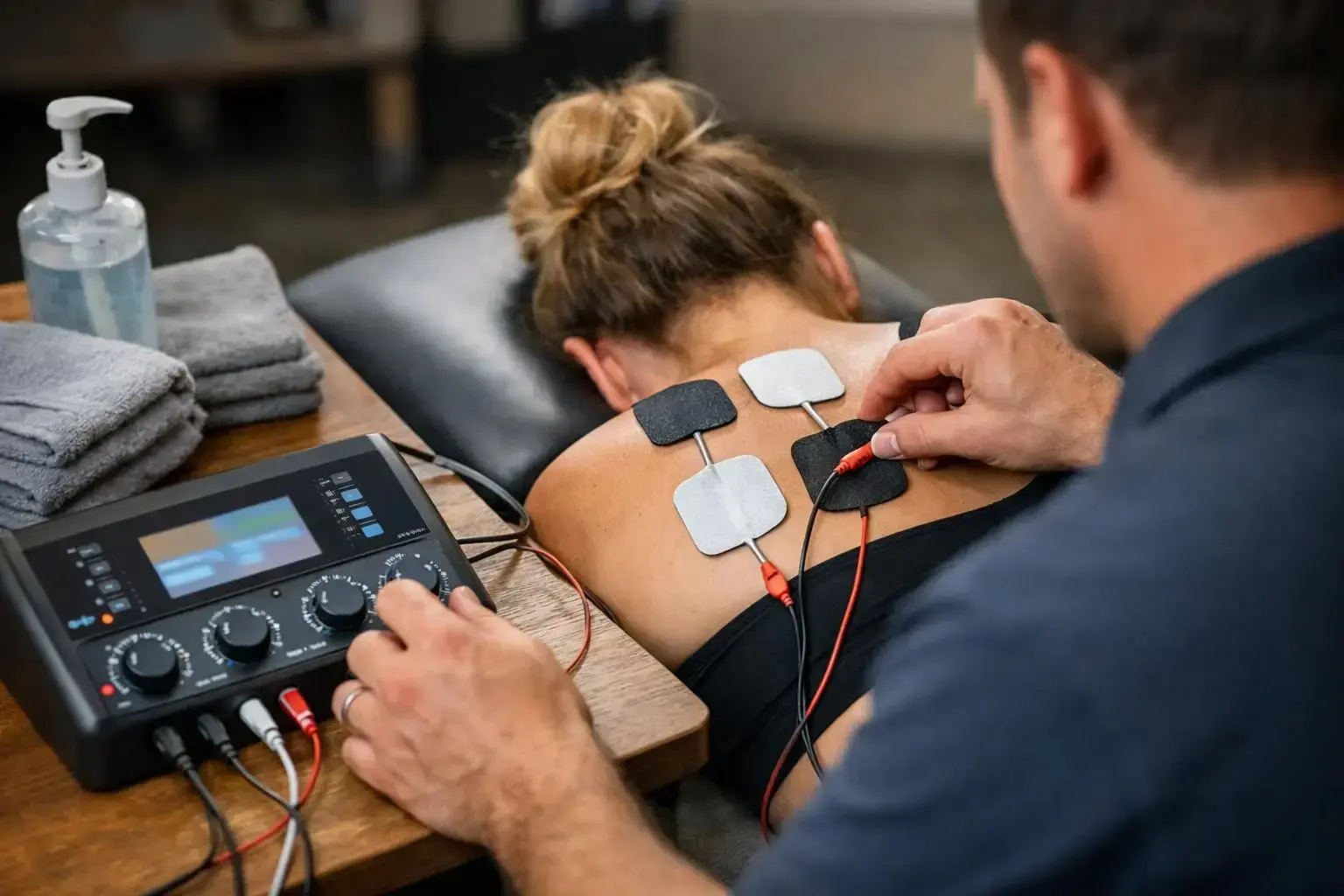
How Electrical Muscle Stimulation applies to Chiropractor services in Brentwood, United States—practical illustration

Electrical Muscle Stimulation matters because it offers a drug-free, non-invasive way to manage pain and support muscle recovery. Many patients prefer EMS over medications, which can have side effects or lead to dependency. And EMS can be used to target specific muscle groups, making it a precise tool for addressing localized injuries or weaknesses. This targeted approach can be especially helpful for athletes, workers with physically demanding jobs. Or individuals recovering from surgery.

A practical next step is Another key benefit of EMS is its ability to prevent muscle wasting. When muscles are not used regularly—such as after an injury or during prolonged bed rest—they can weaken and shrink. EMS helps maintain muscle mass and function by stimulating contractions, even when the patient is unable to move actively. That means particularly important for patients with conditions like stroke, spinal cord injuries. Or severe arthritis, where muscle weakness can significantly impact daily life.

When Electrical Muscle Stimulation Matters Most?

Electrical Muscle Stimulation is most valuable in situations where muscle function is compromised due to injury, surgery. Or chronic conditions. For example, patients recovering from orthopedic surgeries, such as knee or shoulder repairs, often use EMS to regain strength and mobility in the affected area. Similarly, individuals with sports injuries, such as muscle tears or ligament sprains, may benefit from EMS to reduce pain and swelling while promoting healing.

EMS is also commonly used in cases where pain or inflammation limits a patient’s ability to perform traditional exercises. For instance, someone with severe back pain might struggle to engage in physical therapy exercises. But EMS can help activate the muscles without causing additional discomfort. And EMS can be a useful tool for managing chronic conditions like arthritis or fibromyalgia, where muscle stiffness and pain are ongoing challenges. In these cases, regular EMS sessions can help maintain muscle function and improve quality of life.

In Brentwood, TN, chiropractic clinics often incorporate EMS into treatment plans for patients recovering from car accidents, workplace injuries. Or sports-related trauma. The technique is particularly useful for addressing soft tissue injuries, which are common in these scenarios. By combining EMS with other chiropractic therapies, providers can offer full care that addresses both the structural and functional aspects of recovery.


How to Evaluate Electrical Muscle Stimulation?

Related Concepts Compared

Electrical Muscle Stimulation vs. Transcutaneous Electrical Nerve Stimulation (TENS)

TENS targets nerves to block pain signals. While EMS targets muscles to cause contractions and improve function.

Electrical Muscle Stimulation vs. Ultrasound Therapy

Ultrasound therapy uses sound waves to promote healing deep in tissues. While EMS uses electrical impulses to stimulate muscle contractions.

Expert Note

Electrical Muscle Stimulation is most effective when tailored to the patient’s specific condition. Settings like pulse width, frequency. And intensity should be adjusted based on the muscle group and the patient’s comfort level to maximize benefits and avoid overstimulation.

Common Mistakes or Myths About Electrical Muscle Stimulation

  • Assuming EMS is the same as TENS—EMS targets muscles. While TENS targets nerves.
  • Using EMS on broken skin or open wounds, which can cause irritation or infection.
  • Setting the intensity too high, leading to muscle soreness or discomfort.
  • Expecting immediate results—EMS often requires multiple sessions for full benefits.
  • Skipping other therapies, like exercise or chiropractic adjustments, that complement EMS.

Electrical Muscle Stimulation in Practice: A Real-World Example

After a car accident, a patient in Brentwood, TN, visits a chiropractor for neck and shoulder pain. The provider uses Electrical Muscle Stimulation to reduce muscle spasms and improve circulation in the injured area. The patient feels immediate relief and is able to participate more fully in subsequent rehabilitation exercises.

Sources & Further Reading on Electrical Muscle Stimulation

Related Services

Related Terms

Chiropractic Adjustment

Chiropractic Adjustment is a precise manual procedure where a licensed chiropractor applies controlled force to a specific joint in the spine or other body area. The goal is to restore proper movement, reduce nerve irritation. And improve overall function without surgery or medication. Adjustments are tailored to each patient’s condition and comfort level.

Soft Tissue Therapy

Soft Tissue Therapy is a hands-on treatment that targets muscles, tendons, ligaments. And fascia to reduce pain, improve mobility. And promote healing. Soft Tissue Therapy uses techniques like massage, stretching. And pressure to break up scar tissue, increase blood flow. And relax tight muscles. It's often used alongside chiropractic care to support recovery from injuries or chronic conditions.

Decompression Therapy

Decompression Therapy is a non-surgical treatment designed to relieve pressure on the spine and nerves. It uses controlled traction to gently stretch the spine, promoting healing in damaged discs, reducing pain. And improving mobility. This therapy is often used for conditions like herniated discs, sciatica. And chronic back or neck pain.

Cold Laser Therapy

Cold Laser Therapy is a non-invasive treatment that uses low-level lasers or light-emitting diodes to stimulate healing and reduce pain and inflammation. Cold Laser Therapy does not produce heat, making it safe for use on muscles, joints, nerves. And other soft tissues without damaging surrounding areas. It is commonly used in chiropractic care, physical therapy. And sports medicine to accelerate recovery from injuries and chronic conditions.

Nerve Impingement

Nerve impingement is a condition where a nerve is compressed or irritated by surrounding tissues, such as bones, muscles, cartilage. Or tendons. This pressure disrupts the nerve’s normal function, leading to pain, numbness, tingling. Or weakness in the affected area. Nerve impingement often occurs in the spine, wrists. Or shoulders and can result from injury, repetitive motion. Or poor posture.

Advanced Injury Care Clinic

Have Questions About Electrical Muscle Stimulation?

Contact Advanced Injury Care Clinic for practical guidance on Electrical Muscle Stimulation and related chiropractor work in Brentwood.

+1 615-777-0624