Understanding Cold Laser Therapy
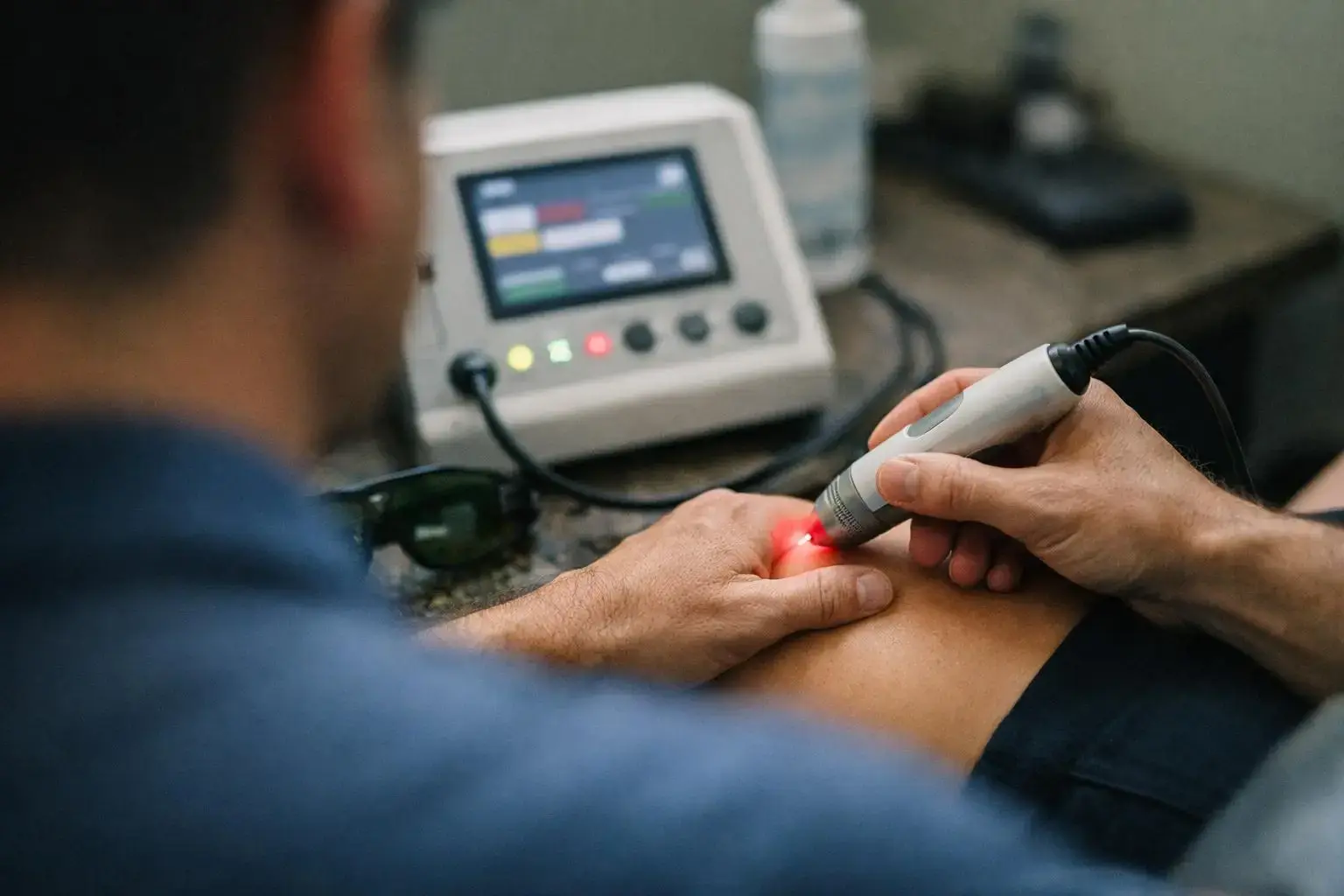
Cold Laser Therapy, also known as low-level laser therapy (LLLT), is a medical treatment that uses specific wavelengths of light to interact with tissue. Unlike surgical lasers, Cold Laser Therapy doesn't generate heat, which is why it's called "cold." The light energy penetrates the skin and is absorbed by cells, where it triggers biological reactions that promote healing and reduce pain. This makes it a valuable tool for treating conditions like sprains, strains, tendonitis. And arthritis without the need for medication or surgery.
Related glossary terms: Chiropractic Adjustment, Soft Tissue Therapy, Electrical Muscle Stimulation.
The therapy is based on the principle of photobiomodulation, where light energy stimulates cellular processes. When the light is absorbed by mitochondria—the energy producers in cells—it enhances the production of adenosine triphosphate (ATP), which fuels cellular repair and regeneration. This process helps reduce inflammation, relieve pain. And accelerate the healing of damaged tissues. Because Cold Laser Therapy is non-invasive and painless, it is suitable for patients of all ages, including those who may not tolerate more aggressive treatments.
How Cold Laser Therapy Works?
During a Cold Laser Therapy session, a healthcare provider uses a handheld device to direct low-level laser light onto the affected area. The device emits light at specific wavelengths, typically between 600 and 1000 nanometers, which are optimized for penetrating the skin and reaching deeper tissues. The treatment usually lasts between 5 and 20 minutes, depending on the size and location of the area being treated. Patients may feel a slight tingling or warmth. But the procedure is generally painless and does not require anesthesia.
The light energy from Cold Laser Therapy works at a cellular level to reduce oxidative stress and inflammation. It also improves blood circulation, which delivers more oxygen and nutrients to the injured area, further supporting the healing process. The therapy is often used in conjunction with other treatments, such as chiropractic adjustments, physical therapy exercises. Or soft tissue therapies, to boost overall recovery. For example, a patient with a strained muscle might receive Cold Laser Therapy to reduce inflammation, followed by stretching exercises to restore flexibility.
Cold Laser Therapy is measured by the dosage of light energy delivered to the tissue, which is expressed in joules per square centimeter (J/cm²). The dosage depends on the condition being treated, the depth of the tissue. And the patient's individual needs. Healthcare providers follow established protocols to ensure the therapy is both safe and effective. While results can vary, many patients experience noticeable improvements after just a few sessions. Though chronic conditions may require ongoing treatment.
Why Cold Laser Therapy Matters?
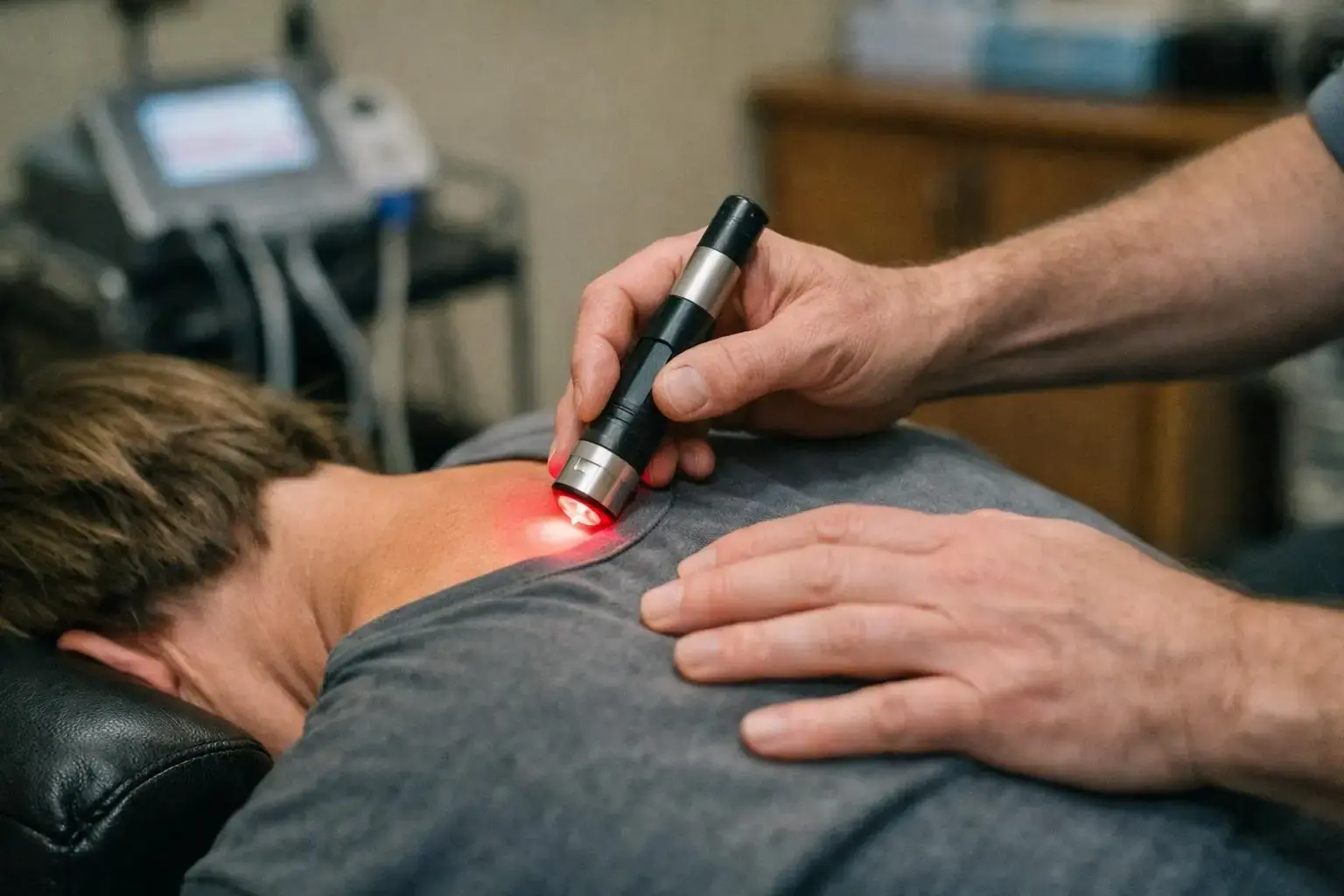
Cold Laser Therapy matters because it offers a safe, drug-free alternative for managing pain and promoting healing. For patients who can't take pain medications due to allergies, side effects. Or other medical conditions, Cold Laser Therapy provides relief without the risks associated with pharmaceuticals. It is also a non-surgical option for those looking to avoid invasive procedures, such as injections or surgeries, which often require lengthy recovery times. By accelerating the body's natural healing processes, Cold Laser Therapy helps patients return to their daily activities faster and with less discomfort.
Another key benefit of Cold Laser Therapy is its versatility. It can be used to treat a wide range of conditions, from acute injuries like sprains and strains to chronic issues like arthritis, carpal tunnel syndrome. And plantar fasciitis. This makes it a valuable tool in settings like chiropractic clinics, sports medicine facilities. And physical therapy centers. And because the therapy is painless and has no known side effects when administered correctly, it is suitable for patients who may be hesitant about more aggressive treatments. For healthcare providers, Cold Laser Therapy expands the range of options available to help patients achieve their recovery goals.
When Cold Laser Therapy Matters Most?
Cold Laser Therapy is particularly important in situations where patients need fast, effective relief without the risks or downtime associated with other treatments. For example, athletes recovering from sports injuries often use Cold Laser Therapy to reduce inflammation and speed up healing so they can return to their sport sooner. Similarly, patients with chronic conditions like osteoarthritis or tendonitis may find that Cold Laser Therapy helps manage their symptoms when other treatments have failed. It is also useful for post-surgical recovery, as it can reduce pain and swelling without interfering with the healing process.
In chiropractic care, Cold Laser Therapy is often used alongside spinal adjustments to boost the overall effectiveness of treatment. For instance, a patient with a herniated disc may receive Cold Laser Therapy to reduce inflammation around the affected nerve, followed by a chiropractic adjustment to improve spinal alignment. This combination can provide more full relief than either treatment alone. Cold Laser Therapy is also beneficial for patients who are not candidates for surgery or who wish to avoid long-term use of pain medications. By offering a safe and effective alternative, it helps patients achieve better outcomes with fewer risks.
A common issue is In Brentwood, TN, where active lifestyles and sports injuries are common, Cold Laser Therapy is a practical option for patients seeking non-invasive pain relief. Chiropractors in the area often incorporate it into treatment plans for car accident injuries, work-related strains. And overuse conditions. Its ability to reduce pain and promote healing makes it a valuable tool for helping patients recover and maintain their quality of life.