Understanding Decompression Therapy

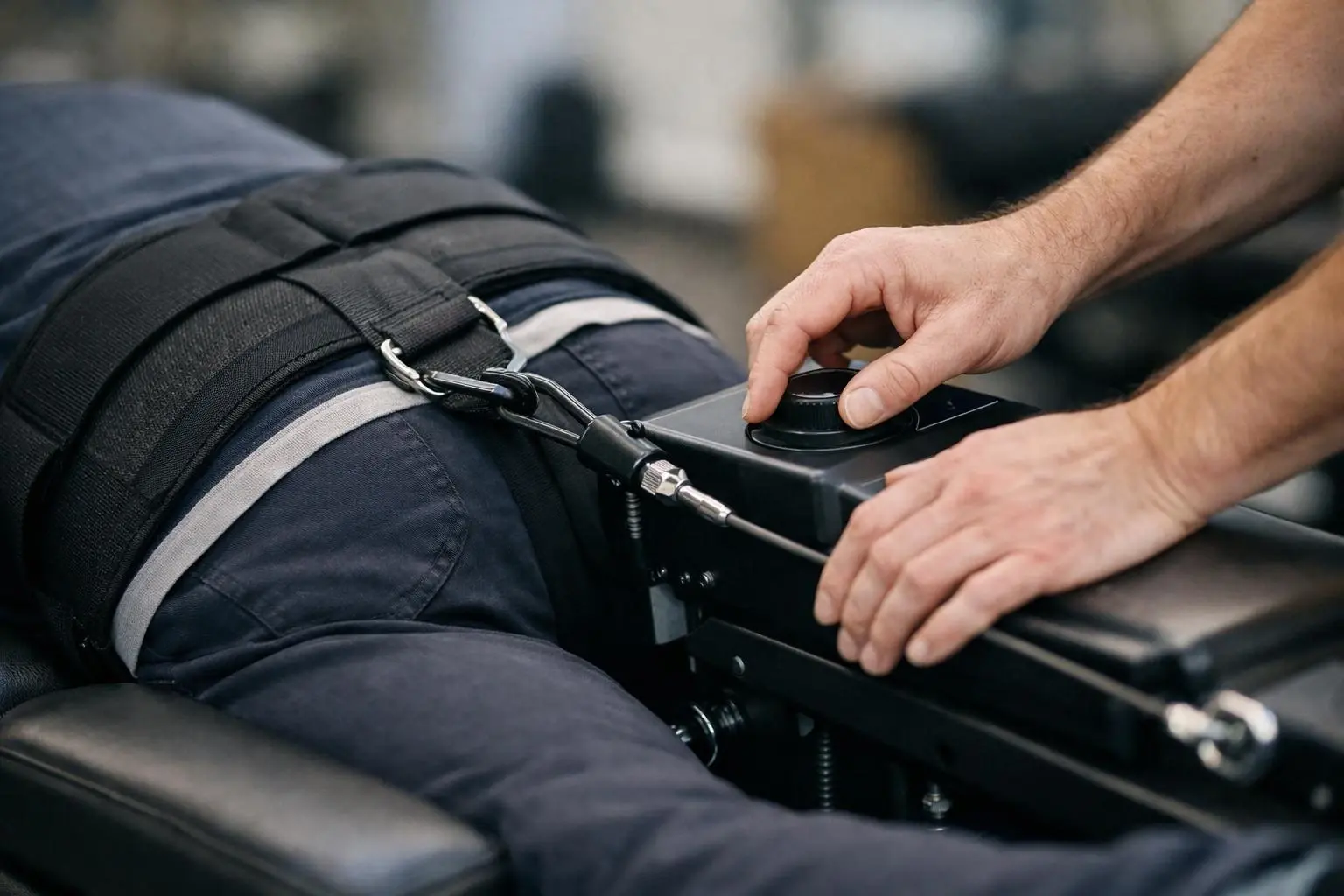
Decompression Therapy is a specialized treatment aimed at relieving pressure on the spine and surrounding nerves. Unlike general traction, which simply stretches the spine, decompression therapy uses precise, computer-controlled forces to target specific areas of the spine. This controlled stretching creates negative pressure within the spinal discs, which can help herniated or bulging discs retract, reducing pain and inflammation. The therapy is typically performed on a motorized table, where the patient lies comfortably while the machine applies gentle traction.
Related glossary terms: Spinal Decompression, Disc Herniation, Nerve Impingement.
The goal of decompression therapy is to improve spinal health by promoting the flow of oxygen, water. And nutrients into the discs. Damaged discs often lack proper blood supply, making natural healing difficult. By creating space between the vertebrae, decompression therapy helps restore disc hydration and nutrient exchange, which can accelerate healing. This treatment is particularly beneficial for individuals suffering from chronic back pain, neck pain. Or radiating pain caused by nerve compression, such as sciatica.
How Decompression Therapy Works?
Decompression Therapy works by applying a controlled pulling force to the spine, which stretches the vertebrae and creates space between them. This process reduces pressure on the spinal discs and nerves, allowing herniated or degenerated discs to retract and heal. The therapy is usually administered in sessions lasting 15 to 30 minutes, during which the patient remains fully clothed and lies on a specialized table. The table is equipped with a computer that adjusts the force and angle of traction based on the patient’s specific condition and tolerance.
The treatment begins with a gentle warm-up phase to relax the muscles, followed by cycles of traction and relaxation. These cycles help prevent muscle spasms and ensure the spine remains flexible. Over time, the negative pressure created within the discs can draw in nutrients and fluids, promoting natural healing. Patients often report a stretching sensation during the session. But the process is generally painless and relaxing. Most treatment plans include multiple sessions, typically ranging from 10 to 20 visits, depending on the severity of the condition.
- Computer-controlled traction adjusts force and angle for precision.
- Cycles of traction and relaxation prevent muscle spasms.
- Negative pressure in discs promotes nutrient flow and healing.
- Sessions are painless and last 15-30 minutes.
Why Decompression Therapy Matters?
Decompression Therapy matters because it offers a non-invasive alternative to surgery for individuals suffering from spinal conditions. Many patients with herniated discs, sciatica. Or degenerative disc disease face limited treatment options, often relying on pain medications or invasive procedures like spinal fusion. Decompression therapy provides a drug-free, surgery-free option that can reduce pain, improve mobility. And boost quality of life. By addressing the root cause of spinal pressure, this therapy can help patients avoid long-term reliance on medications or more aggressive interventions.
Another key benefit of decompression therapy is its ability to promote natural healing. Unlike pain medications, which only mask symptoms, decompression therapy targets the underlying issue by improving disc hydration and nutrient exchange. This can lead to long-term relief and reduced risk of recurrence. And the therapy is safe for most patients, including those who may not be candidates for surgery due to age, health conditions. Or other factors. For individuals seeking a conservative approach to spinal care, decompression therapy offers a viable and effective solution.
When Decompression Therapy Matters Most?
Decompression Therapy is most beneficial for individuals experiencing chronic back or neck pain caused by spinal disc issues. Common conditions that respond well to this treatment include herniated discs, bulging discs, sciatica. And spinal stenosis. Patients who have not found relief from traditional treatments like physical therapy, medication. Or chiropractic adjustments may also benefit from decompression therapy. It's particularly useful for those looking to avoid surgery or reduce their dependence on pain medications.
This therapy is also valuable for individuals recovering from injuries, such as car accidents or workplace incidents, that have resulted in spinal damage. Early intervention with decompression therapy can prevent further deterioration of the discs and reduce the risk of long-term complications. And athletes or active individuals who experience repetitive stress on the spine may find decompression therapy helpful in maintaining spinal health and preventing injuries. While not every patient will experience the same results, those with disc-related conditions often see significant improvement after a full course of treatment.
- Best for chronic back/neck pain caused by disc issues.
- Useful for patients who haven’t responded to other treatments.
- Helps avoid surgery or reduce reliance on medications.
- Beneficial for injury recovery and preventing long-term damage.
- Ideal for athletes or active individuals with spinal stress.