Understanding Disc Herniation

A spinal disc has a soft center. This center is like jelly. It's called the nucleus pulposus.
Related glossary terms: Nerve Impingement, Lumbar Spine, Cervical Spine.
A disc also has a tough outer layer. This layer is called the annulus fibrosus. It can tear.
When the jelly center pushes out, it's called disc herniation. This can press on nerves nearby.
This causes pain, tingling. Or weak muscles. The lower back and neck are common spots for this.
These areas move a lot. They also carry weight. That's why discs there get hurt more.
A herniated disc can happen fast. A fall or car crash can cause it. But it usually happens slowly.
As we age, discs dry out. They become less flexible. This makes tears more likely.
Bad posture or heavy lifting can speed this up. Sitting too long does too. Here's why.
Symptoms change based on where it happens. How bad it is matters too.
A lower back disc can cause sciatica. This is pain that goes down your leg.
A neck disc can hurt your shoulder or arm. That's how it works.
How Disc Herniation Is Diagnosed and Treated?
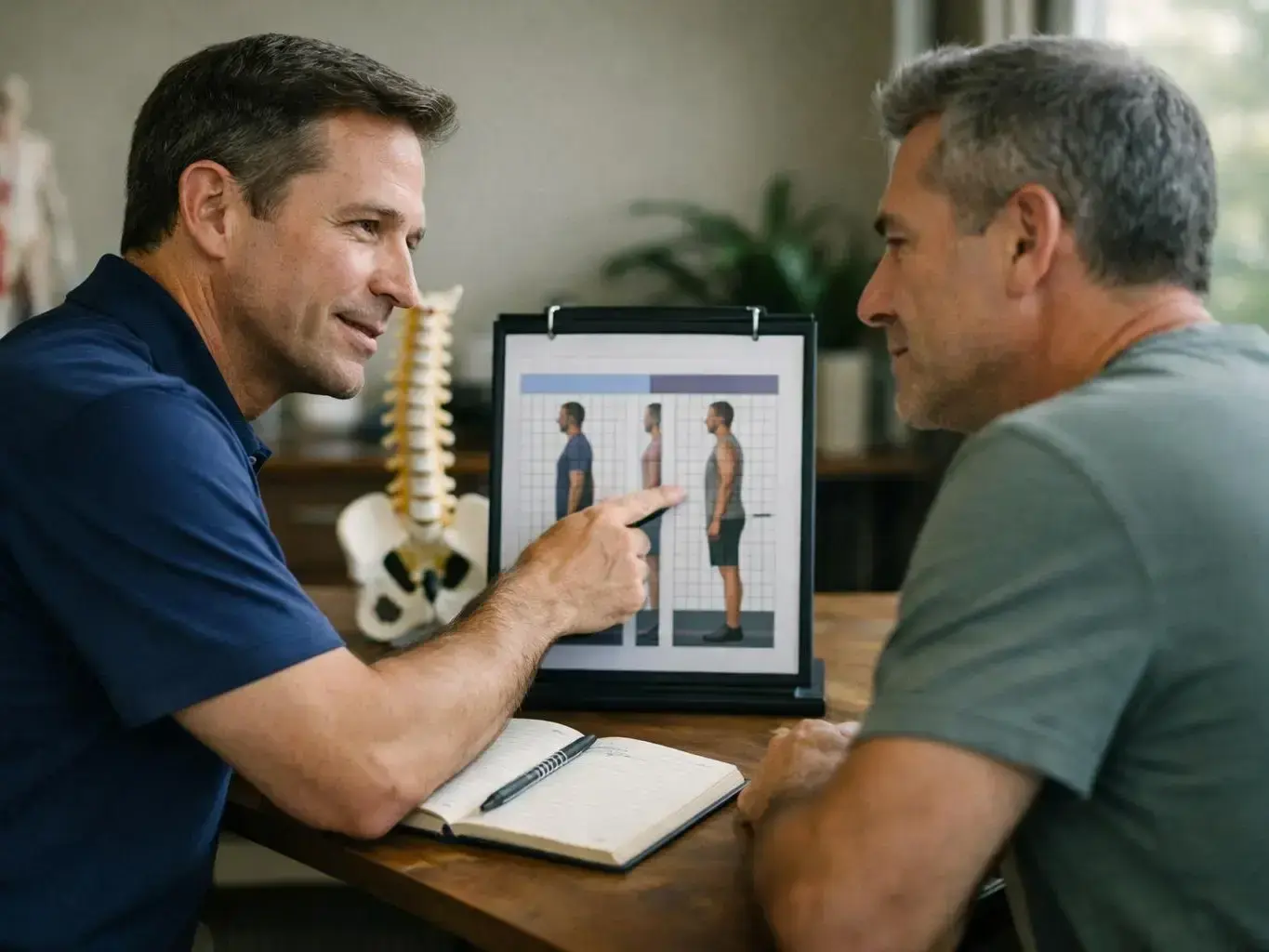
Doctors start with a check-up. They test nerves and reflexes. They find where it hurts.
They may use MRI or CT scans. These show the herniation. They tell how big it is.
X-rays can't see discs. But they rule out breaks or arthritis. That's important too.
First treatments are simple. Rest helps. Ice or heat can too. Pain pills help as well.
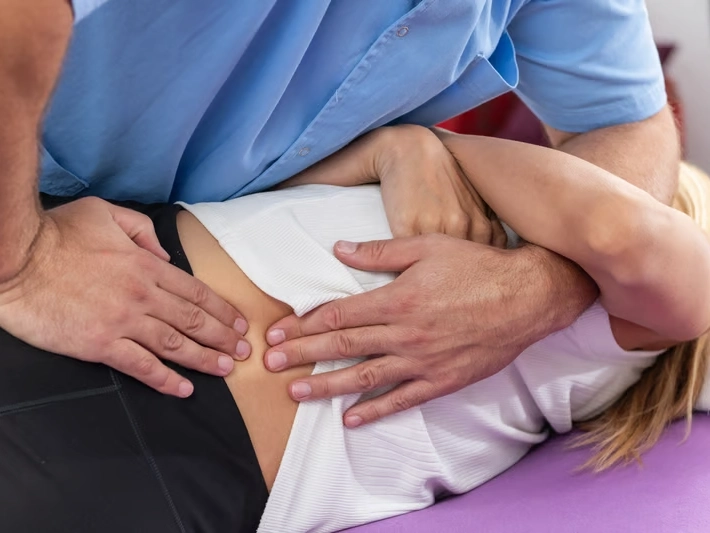
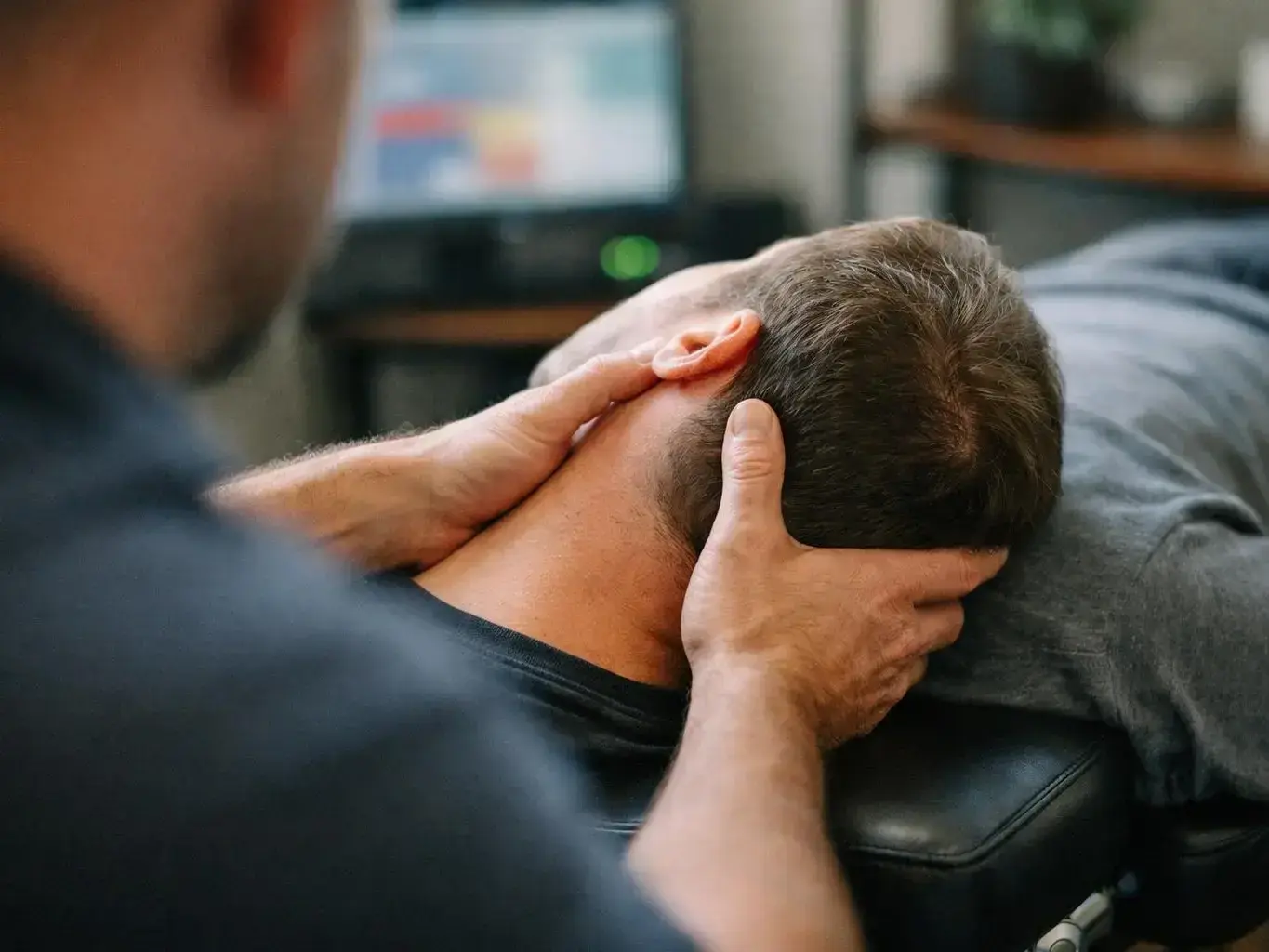
Chiropractors can help without surgery. They adjust your spine. This eases pressure on the disc.
They use other methods too. One is decompression therapy. Another is flexion-distraction.
Physical therapists help too. They make your back muscles stronger. They teach safe ways to move.
Sometimes simple treatments don't work. Then doctors may try shots. These are steroid injections.
Surgery is a last choice. One type is a discectomy. It removes the herniated part.
Why Disc Herniation Matters?
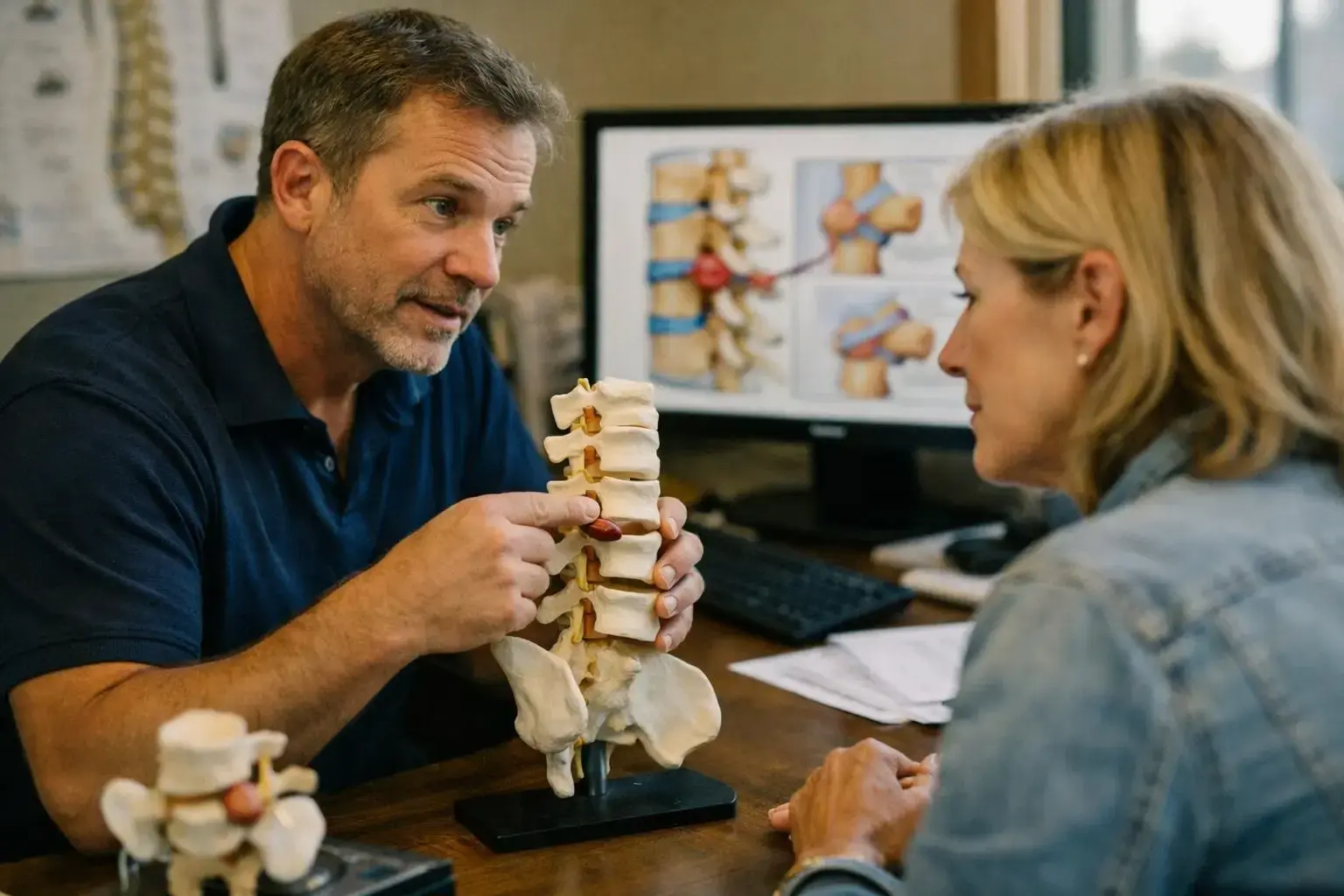
Disc herniation can change your life. It can hurt to sit or stand. Lifting can be hard too.
If nerves stay pressed, damage can last. You might feel weak. You could lose feeling.
Getting help early stops problems. You can get back to normal faster. Knowing helps too.
You can pick the best treatment. Some choices don't need surgery.
Pain can affect your mind too. It can cause stress. It might make you sad or worried.
Treating the whole person helps. This means care for body and mind. Lifestyle changes help too.
Athletes and workers need to be careful. Managing herniation keeps them going. It stops more hurt.
When Disc Herniation Matters Most?
Some signs mean you need help fast. You might lose bladder control. This is serious.
You could feel numb in your groin. This is called cauda equina syndrome. It's an emergency.
Weak legs that get worse need a doctor. These signs can't wait.
Most times, herniation hurts during activity. Lifting heavy things can cause it. Twisting fast can too.
Sitting too long can make it flare up. That's why it happens.
Some jobs raise the risk. Construction and nursing are examples. So is office work.
These jobs involve lifting or bending. They require sitting too. That wears discs out.
Athletes are at risk too. Contact sports and lifting weights can hurt discs.
Age matters as well. People over 30 get disc problems more. That's just how it is.
Knowing risks helps. You can lift the right way. Staying active helps too.
Keeping a healthy weight matters. This can stop disc problems.
In Brentwood, TN, many people stay active. Some have tough jobs. Disc herniation is common here.
Doctors see cases from car crashes. They see them from work or sports too.
Getting help early makes a difference. You can feel better faster. You'll get back to your life sooner.