
Chiropractic Adjustment vs. Physical Therapy: Which May Fit Your Goals?
Chiropractic adjustment and physical therapy are compared by goals, methods, care needs, and suitability. Advanced Injury Care Clinic uses your assessment findings, movement needs, and care preferences to help determine whether hands-on mobility care, active rehabilitation, or a coordinated combination may fit your situation.
Request an EstimateOptions at a Glance
Chiropractic adjustment and physical therapy can support different parts of musculoskeletal care. The best fit depends on the function you want to improve and the type of care you prefer.
How Chiropractic Adjustment and Physical Therapy Differ
Chiropractic adjustment primarily uses targeted manual techniques, while physical therapy emphasizes movement assessment, therapeutic exercise, and functional recovery.
Chiropractic adjustment, sometimes called spinal manipulation or a hands-on adjustment, focuses on how spinal joints and other joints move. Our team may use manual therapy when an assessment points to restricted joint mobility or altered spinal movement.
Physical therapy uses movement assessment, exercise therapy, and rehabilitation exercises to improve strength, flexibility, coordination, and daily function. The work often includes exercise progression so movement becomes more controlled and useful during daily activities or sports recovery.
Chiropractic Adjustment vs. Physical Therapy at a Glance
The better fit depends on whether your main goal involves joint mobility and manual care, movement capacity and rehabilitation, or a coordinated combination of both. Cost and care timeline also depend on the assessment findings and treatment plan.
| Factor | Chiropractic Adjustment | Physical Therapy | Key Trade-Off |
|---|---|---|---|
| Care goals | Joint mobility and manual care | Strength, movement, and function | The focus differs between mobility work and active rehabilitation |
| Methods | Targeted manual techniques | Therapeutic exercise and movement training | Hands-on care differs from exercise-led care |
| Cost drivers | Assessment needs, services selected, and care plan complexity | Assessment needs, services selected, and care plan complexity | Exact pricing depends on the recommended plan |
| Care timeline | Depends on mobility findings and treatment goals | Depends on function, exercise progression, and recovery needs | The plan changes as movement needs change |
| Maintenance | May involve continued mobility-focused care | May involve continued exercise and self-management | Ongoing needs depend on goals and response to care |
| Best fit | People seeking hands-on mobility care | People seeking active rehabilitation | A combined plan may address both needs |
What Chiropractic Adjustment May Offer
Chiropractic adjustment may suit people whose assessment points to restricted joint motion and who prefer a hands-on approach as part of their care plan.
Our team explains the purpose of each technique and connects manual care to your broader treatment goals. We may also recommend active movement work when joint mobility is only one part of the concern.
Who May Benefit Most From Chiropractic Adjustment?
People who may benefit most from chiropractic adjustment are those whose chiropractic assessment identifies limited joint mobility or spinal mechanics concerns.
Hands-on care may appeal to people who want manual treatment included in their plan. We review range of motion, symptoms, and functional goals before deciding whether an adjustment is suitable.
What Physical Therapy May Offer
Physical therapy may suit people who need structured exercise, movement retraining, and gradual improvement in strength or daily function.
Physical therapy is an active form of rehabilitation. We adjust the exercises to match your movement capacity and treatment goals.
Who May Benefit Most From Physical Therapy?
People who may benefit most from physical therapy are those who need rehabilitation, functional movement training, or exercise progression.
Physical therapy may fit goals involving strength, flexibility, coordination, or return to daily activities. We use movement findings to shape exercises that support practical function.
How Goals Influence the Better Choice
Your primary goal should guide the choice: chiropractic adjustment may align with mobility-focused hands-on care, while physical therapy may align with strength, movement, and function-focused rehabilitation.
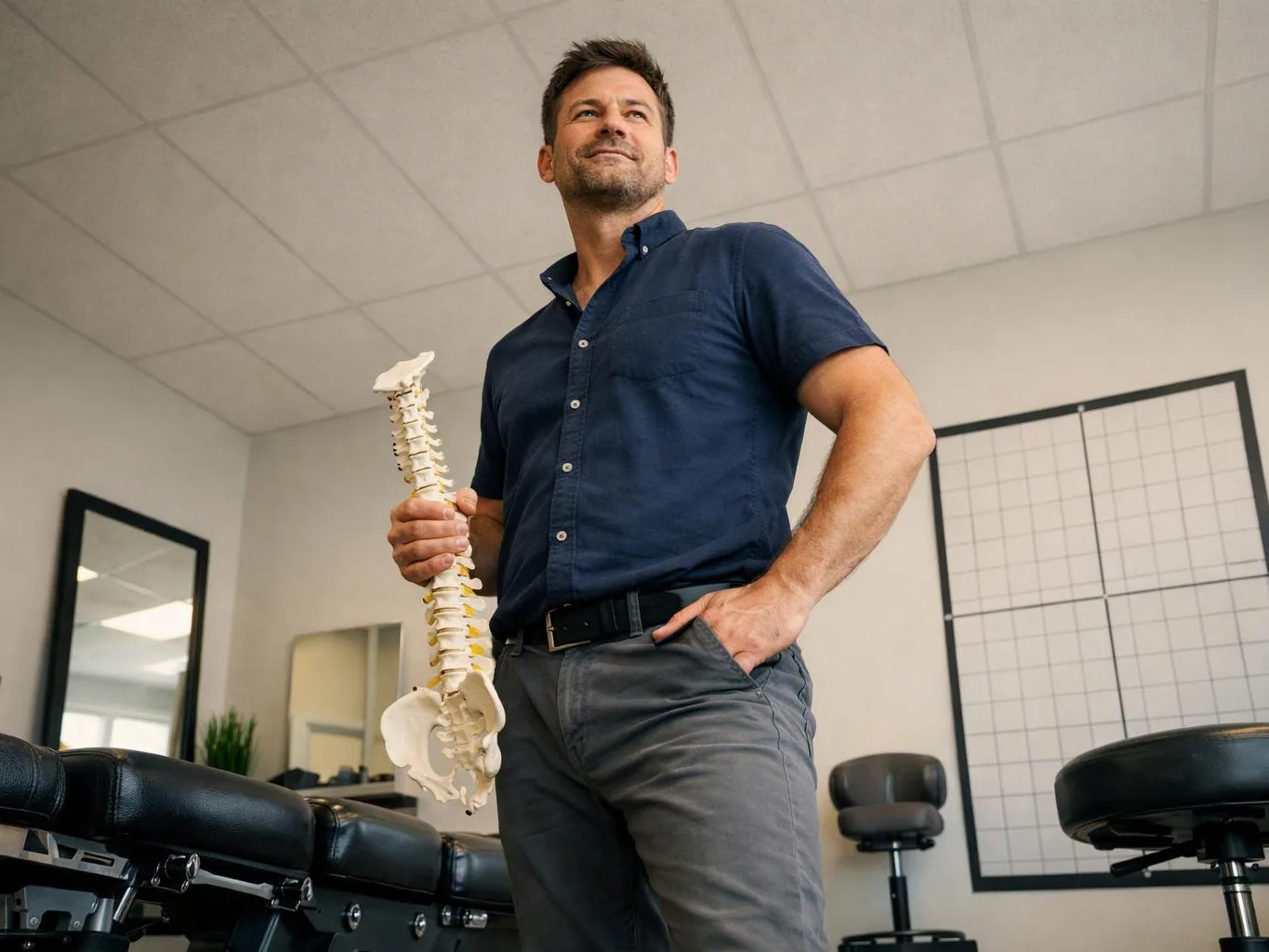
Pain goals may call for a plan that addresses joint motion, soft tissue, exercise tolerance, or more than one factor. Mobility goals often point toward manual care and movement training, while strength goals usually require active exercise.
Injury recovery may also involve daily activities or sports performance. We connect the care plan to the activity you want to perform with greater control and confidence.
When Combining Chiropractic Adjustment and Physical Therapy May Make Sense
Combining chiropractic adjustment with physical therapy may make sense when joint mobility work and active movement training address different parts of the same goal.
Manual care may help address mobility findings, while corrective exercise therapy may develop movement control and muscle strength. Our team coordinates these goals so the treatment plan remains focused and understandable.
Care coordination is especially useful when improved joint motion needs to be followed by controlled movement during work, exercise, or daily function.
How Related Services Compare With Chiropractic Adjustment and Physical Therapy
Massage therapy, sports massage, spinal decompression therapy, and corrective exercise therapy serve different purposes, so the most suitable option depends on whether the priority is soft-tissue comfort, activity recovery, decompression-focused care, or movement retraining.
| Option / System | Best For | Main Focus | Key Trade-Offs |
|---|---|---|---|
| Chiropractic adjustment | Joint mobility goals | Manual joint care | May need exercise support for lasting movement control |
| Physical therapy | Strength and functional recovery | Active rehabilitation | Requires active participation in exercise progression |
| Massage therapy | Soft-tissue comfort | Muscle tension and soft tissue | Does not replace movement retraining when function is the main goal |
| Sports massage | Athletic activity and sports recovery | Activity-related soft-tissue care | May not address joint mechanics or strength deficits |
| Spinal decompression therapy | Decompression-focused spinal care | Spinal loading considerations | May need mobility or exercise care to address broader function |
| Corrective exercise therapy | Movement control | Movement patterns and muscle control | May be narrower in scope than a broader physical therapy plan |
Chiropractic Adjustment and Massage Therapy
Chiropractic adjustment focuses on joint mobility, while massage therapy focuses mainly on soft tissue and muscle tension.
Massage therapy may support comfort in tight muscles, while an adjustment may address movement at a joint. We determine whether one focus or coordinated care better matches your symptoms and functional goals.
Chiropractic Adjustment and Spinal Decompression Therapy
Spinal decompression therapy uses a decompression-focused approach to spinal loading, while chiropractic adjustment uses targeted manual techniques.
Both services relate to spinal care, but they address different treatment concepts. We review your symptoms, spinal movement, and care goals before recommending either approach.
Corrective Exercise Therapy and Physical Therapy
Corrective exercise therapy is targeted movement training, while physical therapy is a broader rehabilitation approach that may include assessment, exercise, and functional training.
Both can address movement patterns and muscle control. We use exercise progression to match the scope of care to your functional needs.
Massage Therapy and Sports Massage
Massage therapy addresses soft-tissue care, while sports massage applies that focus to athletic activity and sports recovery goals.
Sports massage may be shaped around training demands, activity-related muscle tension, or recovery preferences. Neither service replaces physical therapy when strength, movement control, or rehabilitation is the main need.
What We Review Before Recommending a Care Path
Advanced Injury Care Clinic reviews your history, symptoms, movement, and goals before we recommend chiropractic adjustment, physical therapy, another service, or a coordinated plan.
Our team uses these findings to keep the care path focused. We adjust the plan when your needs or functional goals change.
What Changes the Cost of Chiropractic Adjustment or Physical Therapy?
The cost depends on the services selected, the complexity of your goals, assessment needs, and the care plan we recommend; Advanced Injury Care Clinic can explain the plan and provide exact pricing through our Free Consultations.
Care plan complexity can change the cost when your needs involve more than one service. Services selected, session frequency, assessment needs, and treatment goals also shape the overall plan.
We explain what the recommended care includes so you can understand the relationship between the assessment, services, and expected functional goals.
Which Option May Fit Your Goals?
Choose the approach that matches your main goal and assessment findings, with chiropractic adjustment favoring hands-on mobility care and physical therapy favoring active rehabilitation and function.
People focused on joint mobility may prefer chiropractic adjustment, while people focused on strength, movement retraining, or daily function may prefer physical therapy. A coordinated care plan may fit when both needs affect the same outcome.
Our team can review your goals and explain the available path through Chiropractic Adjustment and related movement services.
Questions About Chiropractic Adjustment and Physical Therapy
Can chiropractic adjustment and physical therapy be used together?
Yes, chiropractic adjustment and physical therapy can be used together when joint mobility work and active movement training support different parts of the same goal. Advanced Injury Care Clinic coordinates the plan around your assessment findings and functional needs.
Is corrective exercise therapy the same as physical therapy?
No, corrective exercise therapy is a targeted form of movement training, while physical therapy is a broader rehabilitation approach that may include assessment, therapeutic exercise, and functional recovery work.
How does sports massage differ from physical therapy?
Sports massage focuses on soft-tissue care related to athletic activity and sports recovery, while physical therapy focuses on movement assessment, exercise progression, strength, and functional recovery.
What should I consider when choosing between chiropractic adjustment and massage therapy?
Choose based on whether your main need involves joint mobility or soft-tissue comfort. Chiropractic adjustment focuses on manual joint care, while massage therapy focuses mainly on muscle tension and soft tissue.
How does spinal decompression therapy compare with physical therapy?
Spinal decompression therapy uses a decompression-focused approach to spinal loading, while physical therapy uses movement assessment and therapeutic exercise to support strength, mobility, and function.
Advanced Injury Care Clinic can review your symptoms, movement needs, and treatment goals during Free Consultations. We will explain whether chiropractic adjustment, physical therapy, related services, or coordinated care best fits your situation.
Get a Free Estimate