Glossary

What is TENS Unit?

TENS Unit is a small, battery-powered medical device that delivers mild electrical pulses through electrodes placed on the skin to relieve pain. TENS Units are non-invasive, drug-free tools commonly used for managing acute or chronic pain conditions, including muscle soreness, joint pain. And nerve-related discomfort.

Reviewed by ChiropractorBrentwood.comSources reviewed: U.S. Food and Drug Administration (FDA), American Physical Therapy Association

Quick Facts About TENS Unit

Category

Electrotherapy device

Used for

Pain relief, muscle relaxation, nerve stimulation

Common confusion

Often mistaken for muscle stimulators (EMS), which target muscles, not nerves

Also called

Transcutaneous Electrical Nerve Stimulation Unit, TENS Machine

Often discussed with

Back Pain Treatment, Neck Pain Treatment

Key Takeaways About TENS Unit

Understanding TENS Unit

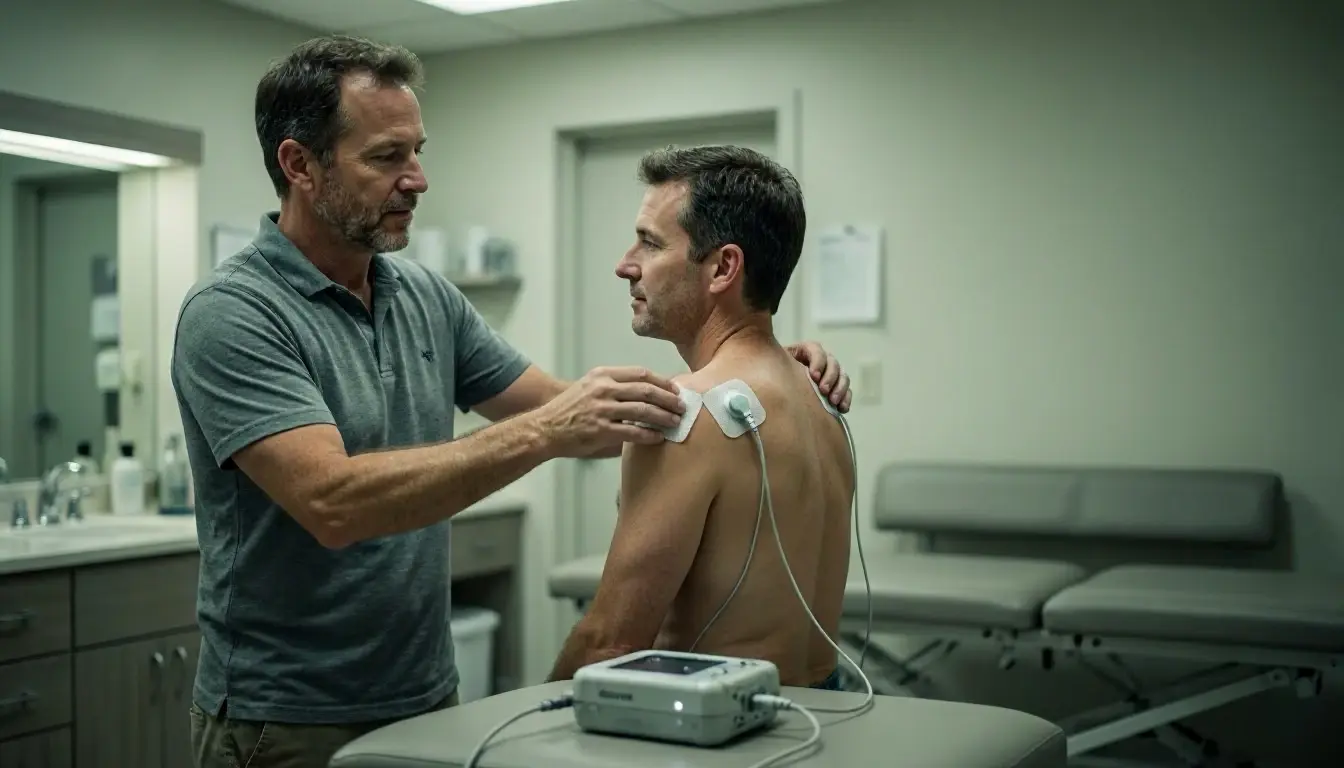
TENS Unit in Chiropractor: TENS Unit is a small, battery-powered medical device that delivers mild electrical—visual guide

A TENS Unit helps manage pain. It's a small device you can carry. It sends tiny electric pulses through pads on your skin.

Related glossary terms: Chiropractic Care, Soft Tissue Therapy, Neuromuscular Re-education.

These pulses help nerves block pain. Many doctors and therapists use TENS Units. They offer pain relief without drugs.

People with long-term pain use them. This includes arthritis, back pain. Or nerve pain. They also help with short-term pain from injuries or surgery.

TENS Units come in different sizes. Some are small and fit in your hand. Others are bigger with more settings.

Most let you change the pulse strength. You can also change how fast and how long it works. This helps you control your treatment.

TENS Units are safe for most people. But some should not use them. This includes people with pacemakers or epilepsy.

People with certain skin problems should avoid them. Pregnant women should ask a doctor first. Always place the pads right to avoid skin problems.

How TENS Unit Works?

TENS Units work based on a pain theory. The theory says electric pulses can block pain. These pulses stop pain signals from reaching your brain.

The TENS Unit sends pulses through the pads. This makes nerves in the area tingle or buzz. This feeling overpowers the pain.

The pulses may also help your body release endorphins. These are natural chemicals that ease pain.

TENS Units have different settings. You can change how fast and strong the pulses are. Low settings may help long-term pain.

Low settings are 2-10 Hz. They may help your body release endorphins. High settings work faster for short-term pain.

High settings are 50-100 Hz. Some units have special modes. These keep nerves from getting used to the pulses.

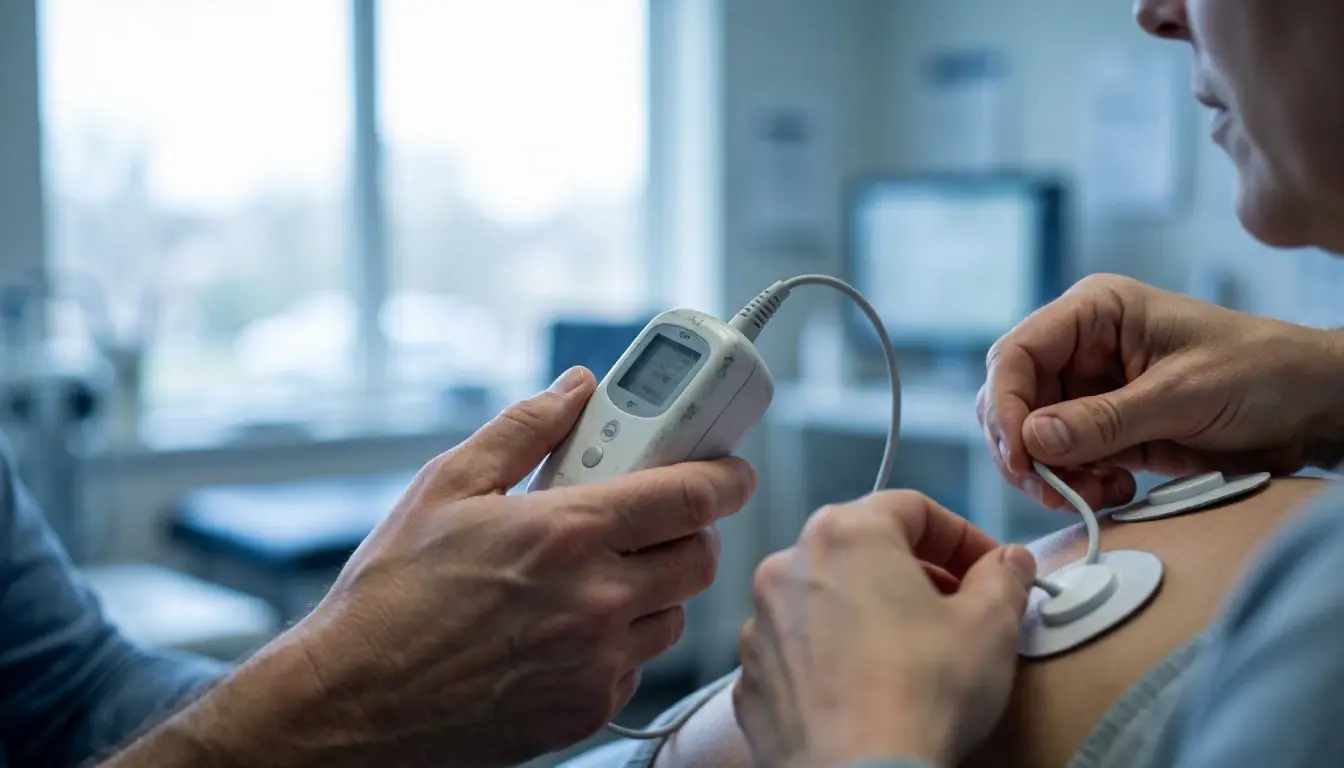
Put the pads near the pain. You can also put them along the nerves. This helps the unit work best.

Why TENS Unit Matters?

How TENS Unit applies to Chiropractor services in Brentwood, United States—practical illustration

TENS Units help manage pain without drugs. They don't need surgery. Anyone can use them easily.

People with long-term pain use them. This includes pain from fibromyalgia or sciatica. They help reduce pain and move better.

They also help after injuries or surgeries. They ease pain during therapy. They don't cause addiction or side effects like pills.

TENS Units work in many places. You can use them at home or work. They're great for active people.

Doctors and therapists often suggest them. They're part of pain management plans. They can lower the need for strong pain pills.

This saves money on healthcare. It also lets you control your own pain.

When TENS Unit Matters Most?

TENS Units help when pain gets in the way. Athletes use them after workouts. They ease sore muscles.

People with hard jobs use them too. They help after long shifts. Those recovering from surgery use them to avoid too many pills.

People with long-term pain use them often. This includes pain from arthritis or diabetes. They help stay comfortable and move better.

Doctors and therapists use TENS Units. They help with back, neck. Or joint pain. In Brentwood, TN, many people lead active lives.

TENS Units help with pain from sports or accidents. They also help with pain from work. But they don't cure the problem.

They work best with other treatments. This includes chiropractic care or exercise. Changing your lifestyle helps too.

How to Evaluate TENS Unit?

Related Concepts Compared

TENS Unit vs. EMS (Electrical Muscle Stimulation)

EMS devices target muscles to cause contractions, often used for strengthening or rehabilitation. While TENS Units target nerves to relieve pain.

TENS Unit vs. Ultrasound Therapy

Ultrasound therapy uses sound waves to promote healing in deep tissues, whereas TENS Units use electrical pulses to block pain signals.

Expert Note

While TENS Units are generally safe, improper use—such as placing electrodes on broken skin or near the heart—can cause harm. Always start with the lowest intensity setting and gradually increase to avoid discomfort or skin irritation.

Common Mistakes or Myths About TENS Unit

  • Using a TENS Unit on broken or irritated skin, which can worsen irritation.
  • Assuming TENS Units cure conditions—they only manage symptoms.
  • Placing electrodes too close to the heart, throat. Or head, which can be dangerous.
  • Using the highest intensity setting immediately, which can cause discomfort.
  • Expecting immediate results for chronic pain—consistent use is often required.

TENS Unit in Practice: A Real-World Example

After a long day of yard work, a Brentwood resident with lower back pain uses a TENS Unit at home. They place the electrodes on either side of their spine and adjust the settings to a comfortable pulse intensity. Within 20 minutes, the tingling sensation helps reduce their pain, allowing them to relax without relying on pain medication.

Related Services

Related Terms

Chiropractic Care

Chiropractic Care is a health care profession focused on diagnosing and treating musculoskeletal disorders, especially those related to the spine, without surgery or prescription drugs. Chiropractic Care uses hands-on spinal manipulation and other alternative treatments to help the body heal itself by improving alignment, mobility. And nervous system function.

Soft Tissue Therapy

Soft Tissue Therapy is a hands-on treatment method that targets muscles, tendons, ligaments. And fascia to reduce pain, improve mobility. And speed healing. Soft Tissue Therapy uses techniques like massage, stretching. And pressure to break up scar tissue, release tension.

Neuromuscular Re-education

Neuromuscular Re-education is a therapeutic approach that retrains the brain, nerves. And muscles to work together correctly after injury, surgery. Or chronic pain. It uses specific exercises, manual techniques. And feedback to restore normal movement patterns, reduce pain. And improve coordination and strength. This process helps the body relearn proper function and prevent future injuries.

Herniated Disc

Herniated Disc is a spinal condition where the soft, gel-like center of a spinal disc pushes through a tear in the disc’s tougher outer layer. This bulging or ruptured material can press on nearby nerves, causing pain, numbness. Or weakness in the back, neck, arms. Or legs. Herniated discs often occur due to aging, injury.

ChiropractorBrentwood.com

Have Questions About TENS Unit?

Contact ChiropractorBrentwood.com for practical guidance on TENS Unit and related chiropractor work in Brentwood.

+1 615-777-0624