Understanding Sacro Occipital Technique
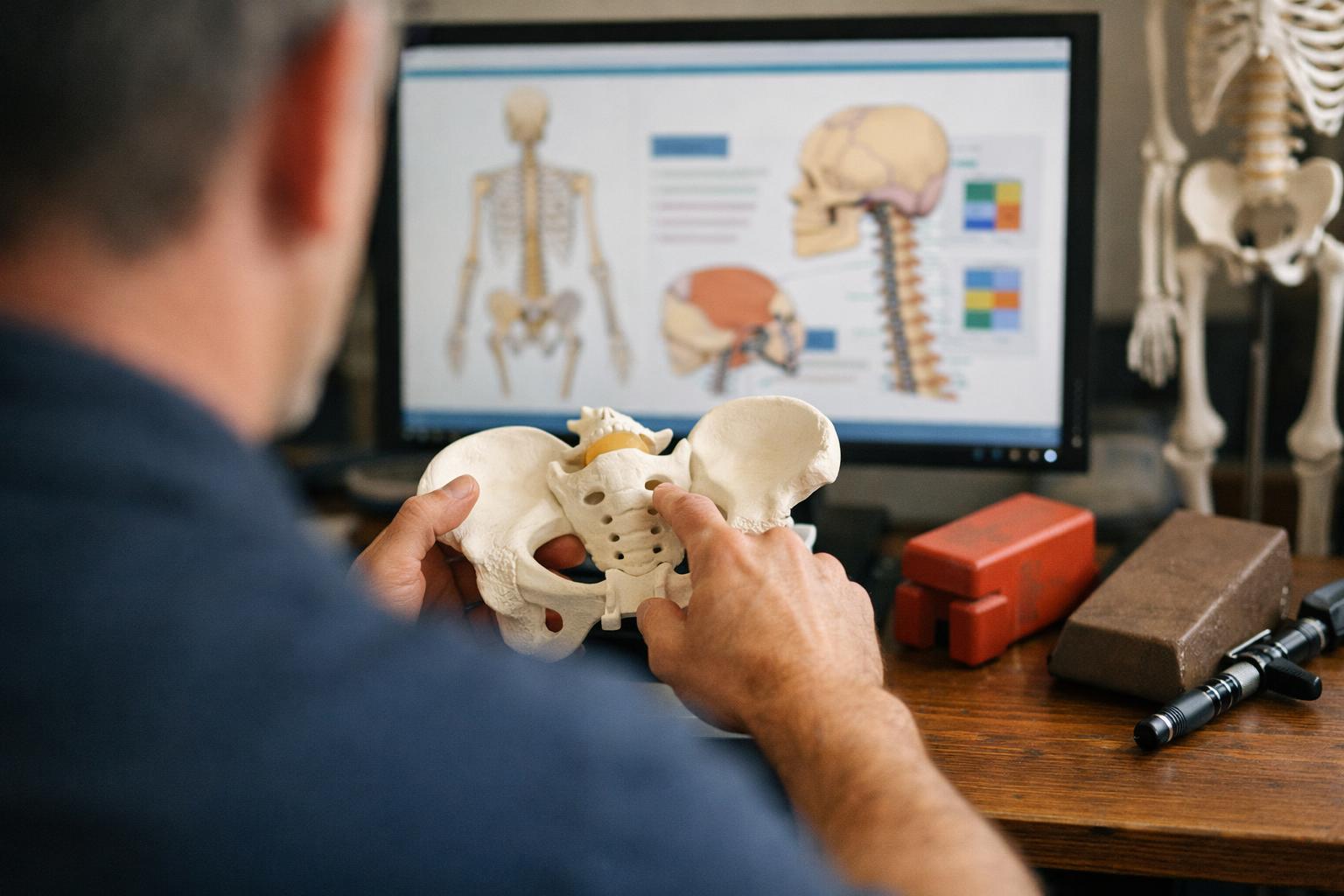
Sacro Occipital Technique, often called SOT, is a chiropractic approach developed to address the connection between the sacrum and the occiput. The sacrum is the triangular bone at the base of the spine. While the occiput is the bone at the base of the skull. These two areas work together to support the body’s nervous system and movement. When they become misaligned, it can lead to pain, stiffness. Or other health issues. SOT aims to correct these misalignments using gentle, non-invasive methods rather than forceful adjustments.
Related glossary terms: Chiropractic Adjustment, Posture Correction, Mobilization.
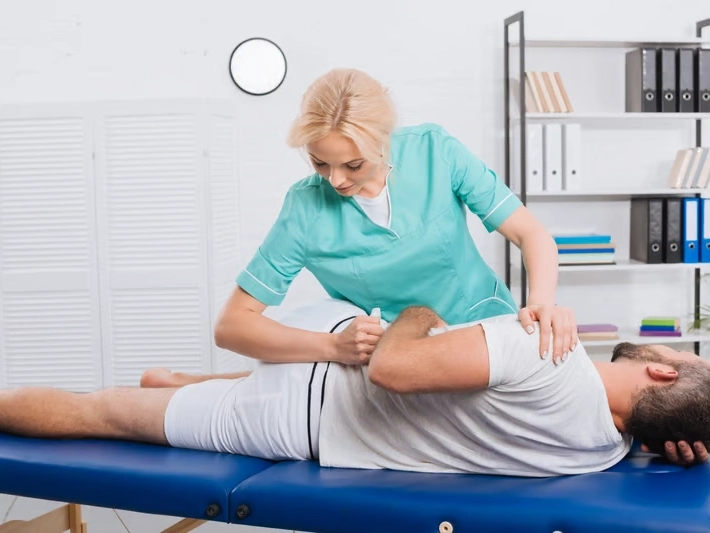
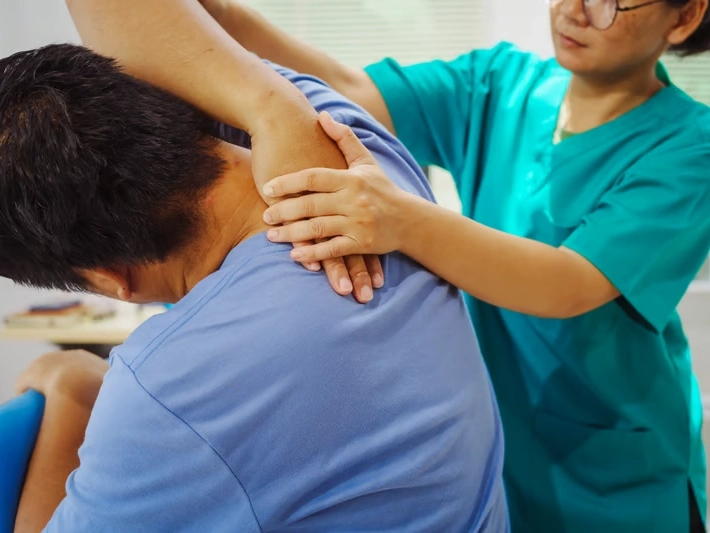
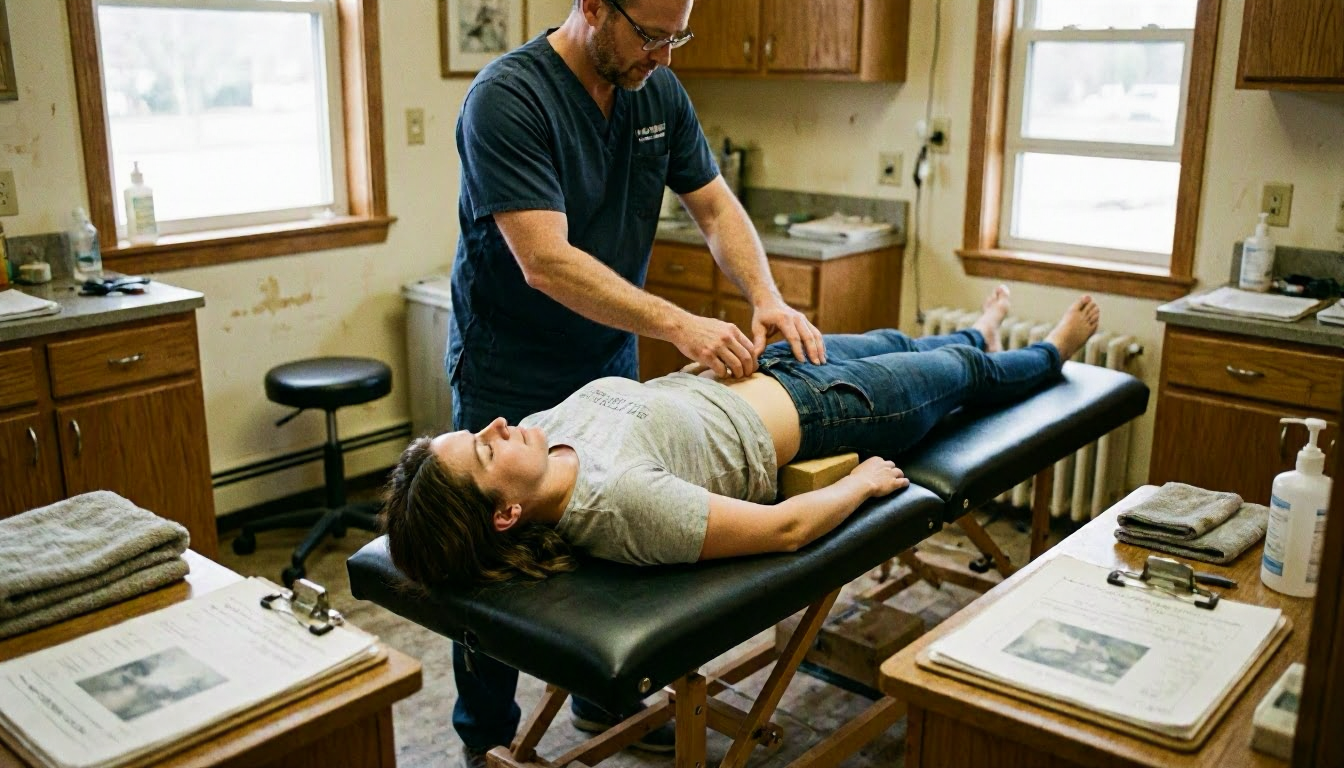
Unlike traditional chiropractic techniques that may involve quick, forceful movements, SOT focuses on subtle corrections. Chiropractors trained in SOT use specific body positions, pelvic blocks. And light pressure to encourage the body to heal itself. This method is based on the idea that the body has natural healing abilities. And small adjustments can help restore proper function. Patients often lie on specially designed blocks or cushions to allow gravity and gentle pressure to guide the spine and pelvis back into alignment.
How Sacro Occipital Technique Works?
Sacro Occipital Technique works by addressing three key categories of spinal and pelvic dysfunction, often referred to as Categories I, II. And III. Each category represents a different type of imbalance in the body. For example, Category I focuses on the relationship between the sacrum and the cranium (skull). While Category II involves the pelvis and its connection to the lower spine. Chiropractors assess which category applies to a patient’s condition and then use specific techniques to correct the imbalance.
The most recognizable tool in SOT is the pelvic block. These blocks are wedge-shaped cushions placed under the pelvis while the patient lies on their back or side. The position of the blocks helps to gently realign the sacrum and pelvis, reducing tension on the nervous system. Chiropractors may also use light pressure on specific points along the spine or skull to encourage proper movement. The goal is to restore balance without causing discomfort, making it a popular choice for patients who prefer a gentler approach to chiropractic care.
In addition to physical adjustments, SOT often includes advice on posture, stretching. And exercises to support long-term results. Patients may be asked to perform simple movements at home to reinforce the corrections made during their visit. This complete approach helps address the root cause of pain rather than just treating symptoms.
Why Sacro Occipital Technique Matters?
Sacro Occipital Technique matters because it offers a safe and effective way to address pain and dysfunction without relying on forceful manipulations. Many people avoid chiropractic care due to fear of painful adjustments or cracking sounds. SOT provides an alternative that's gentle yet effective, making it accessible to a wider range of patients, including children, seniors. And those with chronic pain conditions. By focusing on the body’s natural ability to heal, SOT can help reduce reliance on medications and invasive treatments.
Another reason SOT is valuable is its focus on the nervous system. The sacrum and occiput play a critical role in how the brain communicates with the rest of the body. Misalignments in these areas can disrupt this communication, leading to issues like headaches, back pain. Or even digestive problems. Here is why. By correcting these misalignments, SOT can improve overall health and well-being, not just alleviate pain. Patients often report improvements in sleep, energy levels. And mobility after receiving SOT care.
When Sacro Occipital Technique Matters Most?
Sacro Occipital Technique is particularly useful for individuals dealing with chronic pain, headaches. Or posture-related issues. It's often recommended for patients who have not found relief with traditional chiropractic adjustments or other therapies. For example, people suffering from migraines, lower back pain. Or sciatica may benefit from SOT’s gentle approach. It is also a good option for those recovering from injuries, such as car accidents or falls, where forceful adjustments could cause further discomfort.
SOT is also valuable for patients with conditions that make traditional chiropractic care risky or uncomfortable. This includes individuals with osteoporosis, arthritis. Or spinal degeneration. Because SOT doesn't involve quick or forceful movements, it is less likely to cause injury or aggravate existing conditions. And SOT can be used alongside other therapies, such as physical therapy or massage, to boost overall results and support long-term healing.
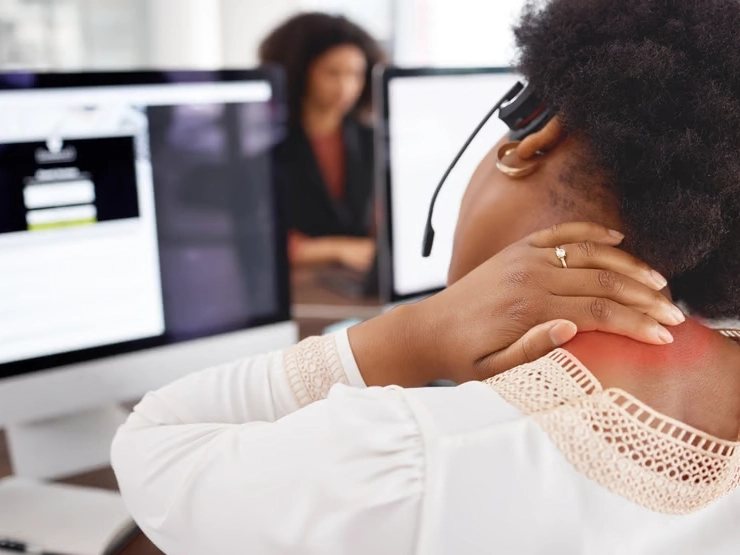
In Brentwood, TN, where many residents lead active lifestyles, SOT can help address common issues like back pain from sitting at a desk, sports injuries. Or discomfort from repetitive movements. Chiropractors trained in SOT can provide personalized care to meet the unique needs of patients in the community.