
What Is a Foam Roller?
Foam Roller is a cylindrical exercise tool used to apply controlled pressure to muscles and connective tissue during mobility work. A person places part of the body over the roller and moves slowly across it. The pressure may support warm-up, recovery, soft-tissue work, and movement preparation within a corrective exercise program.
Quick Facts About Foam Roller
Category
Exercise and mobility tool
Used for
Soft-tissue and movement preparation
Common confusion
Not a diagnostic device
Also called
Self-Myofascial Release Roller, Foam rolling tool
Often discussed with
Corrective Exercise Therapy
Key Takeaways About Foam Roller
- Its firm cylinder creates focused pressure during movement.
- Slow, controlled motion supports targeted mobility work.
- A foam roller is not the same as a massage table.
How Foam Roller Works
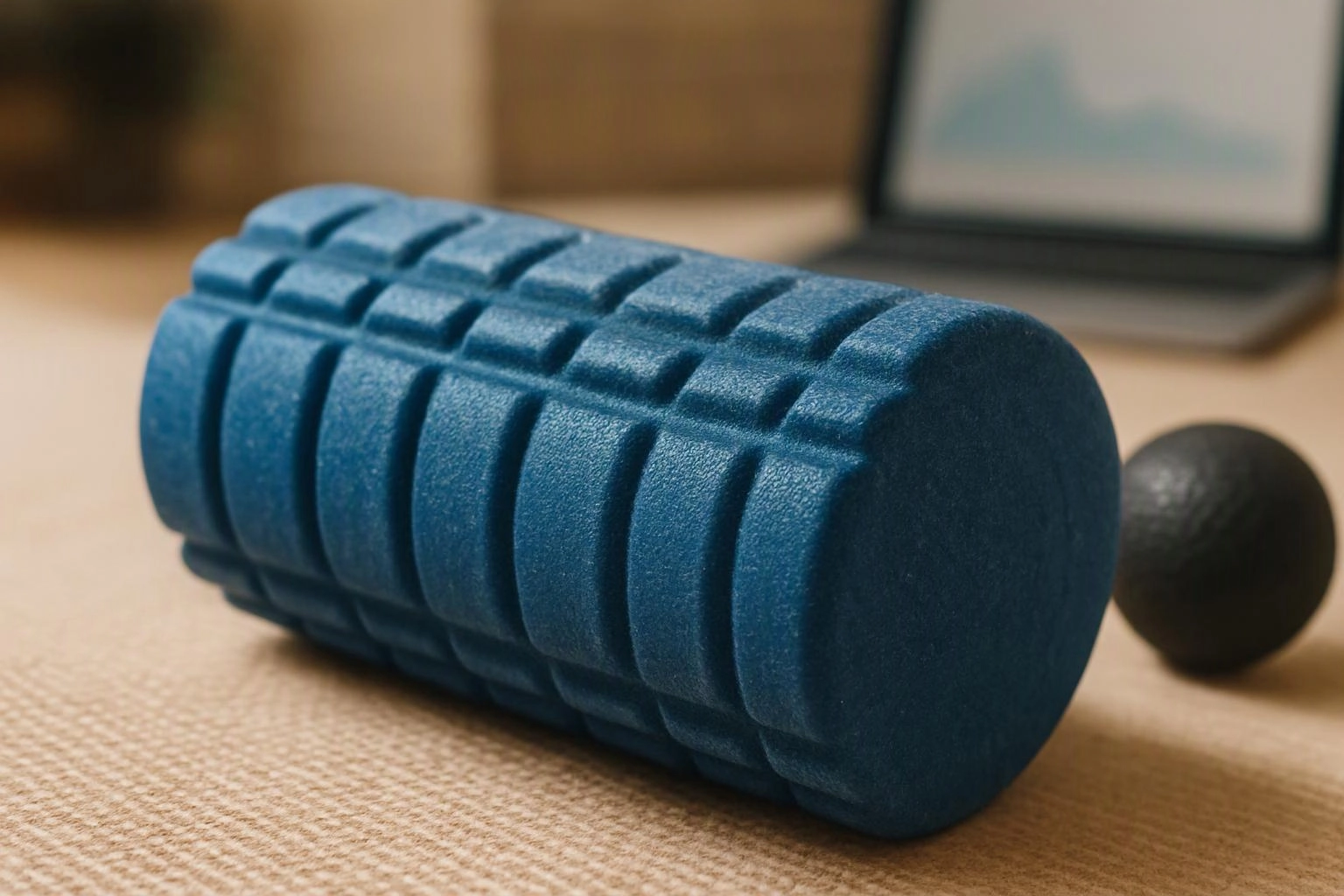
Foam Roller work uses body weight and controlled movement to place pressure on a selected area. The amount of pressure changes with body position, contact area, movement speed, and the firmness of the roller. A person may pause near a restricted area, then continue with steady movement.
Related glossary terms: Myofascial Release, Range of Motion, Trigger Point.
Myofascial Release is a related technique that may include foam rolling as part of mobility training. The goal is practical movement preparation, not diagnosis or a replacement for clinical assessment. A corrective exercise plan may pair rolling with active range-of-motion work so the person can practice a more comfortable movement pattern.
From the Advanced Injury Care Clinic team
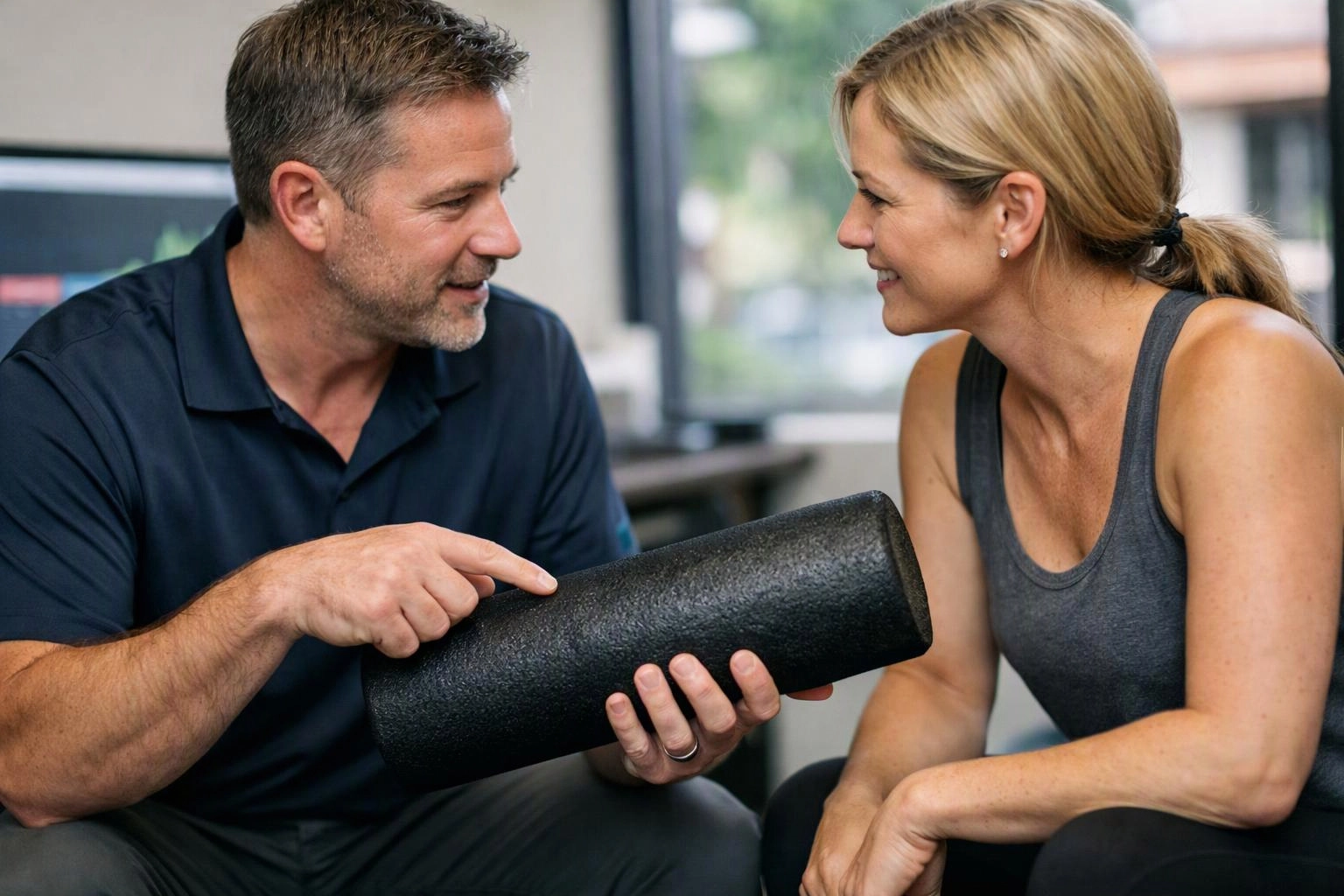
When we include a foam roller in Corrective Exercise Therapy, we match the position and pressure to the person’s movement goal. We watch breathing, control, and the quality of the target motion. Our team may adjust the exercise when rolling causes guarding or changes symptoms.
Foam Roller in Practice: A Real-World Example
A person with limited hip movement may use a foam roller during a corrective exercise session before practicing controlled hip mobility drills. The exercise plan may then compare movement quality before and after rolling.
Related Services
Related Terms
Myofascial Release
Myofascial Release is a hands-on massage technique that applies steady pressure and gentle movement to the…
Range of Motion
Range of Motion is the amount and direction a joint can move through its available path…
Trigger Point
A trigger point is a sensitive, irritable area within a taut band of muscle that may…
Hip Flexor
A Hip Flexor is a group of muscles at the front of the hip that helps…
Advanced Injury Care Clinic
Have Questions About Foam Roller?
Contact Advanced Injury Care Clinic for practical guidance on Foam Roller and related chiropractor work in Brentwood.