Understanding Sacroiliac Joint
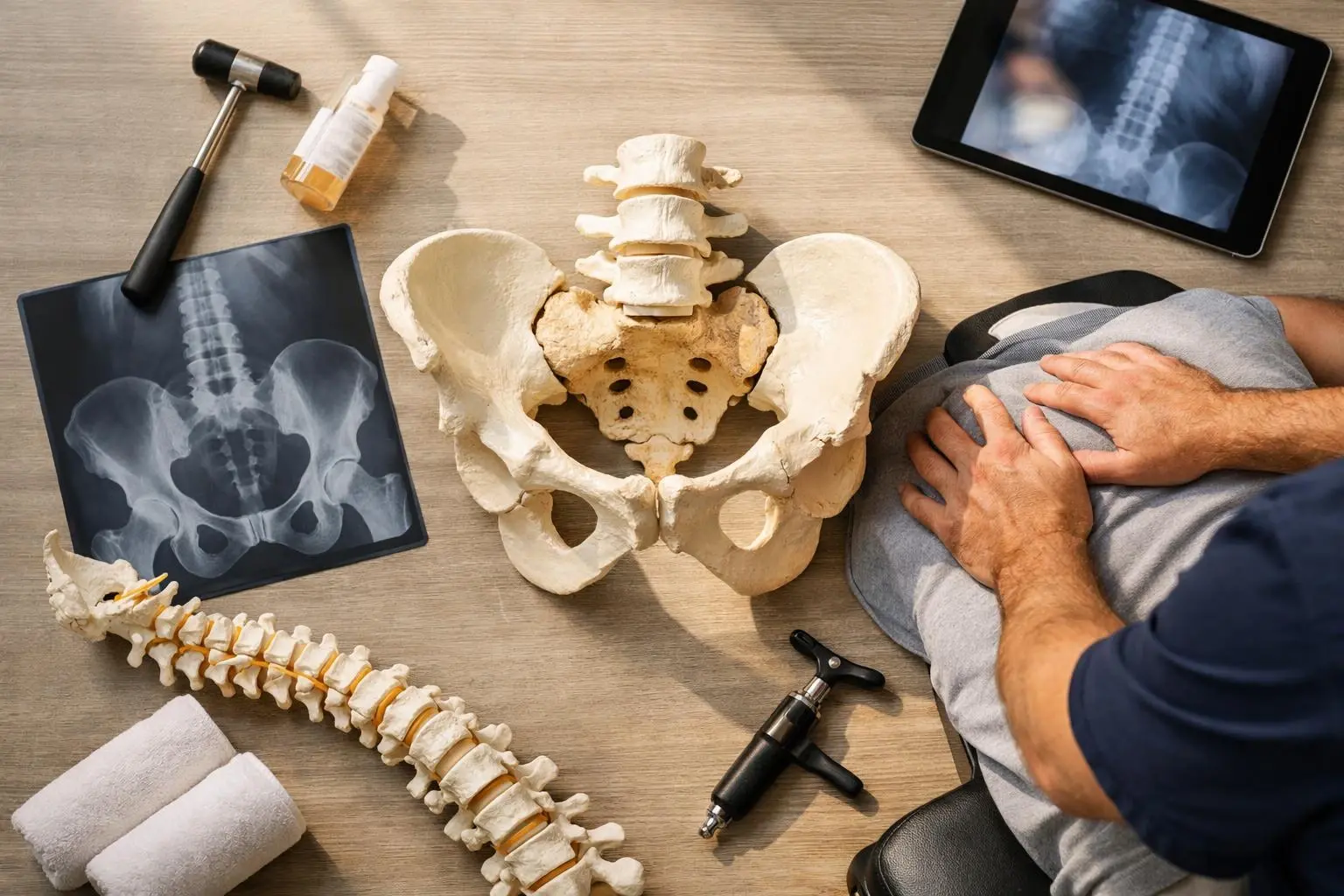
The sacroiliac joint, often abbreviated as SI joint, is a critical part of the human skeletal system. Located where the sacrum meets the iliac bones on both sides of the pelvis, this joint plays a key role in connecting the spine to the lower body. Unlike joints such as the knee or elbow, the sacroiliac joint is not designed for large movements. Instead, it provides stability and absorbs shock during activities like walking, running. Or even standing. The joint is reinforced by strong ligaments, which help maintain its structure and limit excessive motion.
Many people may not realize the importance of the sacroiliac joint until they experience pain or discomfort in the lower back or hips. The joint’s location makes it susceptible to stress from daily activities, especially those involving twisting, lifting. Or prolonged standing. While the joint itself has minimal movement, even small misalignments can lead to significant discomfort. Understanding the anatomy and function of the sacroiliac joint can help individuals recognize symptoms and seek appropriate care when needed.
How Sacroiliac Joint Works?
The sacroiliac joint functions as a shock absorber, distributing forces from the upper body to the legs and vice versa. When you walk or run, the joint helps transfer the weight of your torso through the pelvis and into your legs. This process reduces stress on the spine and lower body, preventing injury. The joint’s limited range of motion is intentional, as its primary role is stability rather than flexibility. But this stability can be compromised if the joint becomes misaligned or inflamed, leading to pain or restricted movement.
The sacroiliac joint is also influenced by the muscles and ligaments surrounding it. Strong core and gluteal muscles help support the joint. While ligaments provide additional reinforcement. During pregnancy, hormonal changes can loosen these ligaments, increasing the risk of sacroiliac joint dysfunction. Similarly, trauma from falls, car accidents. Or repetitive stress can damage the joint or its supporting structures. Chiropractic care often focuses on restoring proper alignment and function to the sacroiliac joint through targeted adjustments and therapies.
Why Sacroiliac Joint Matters?
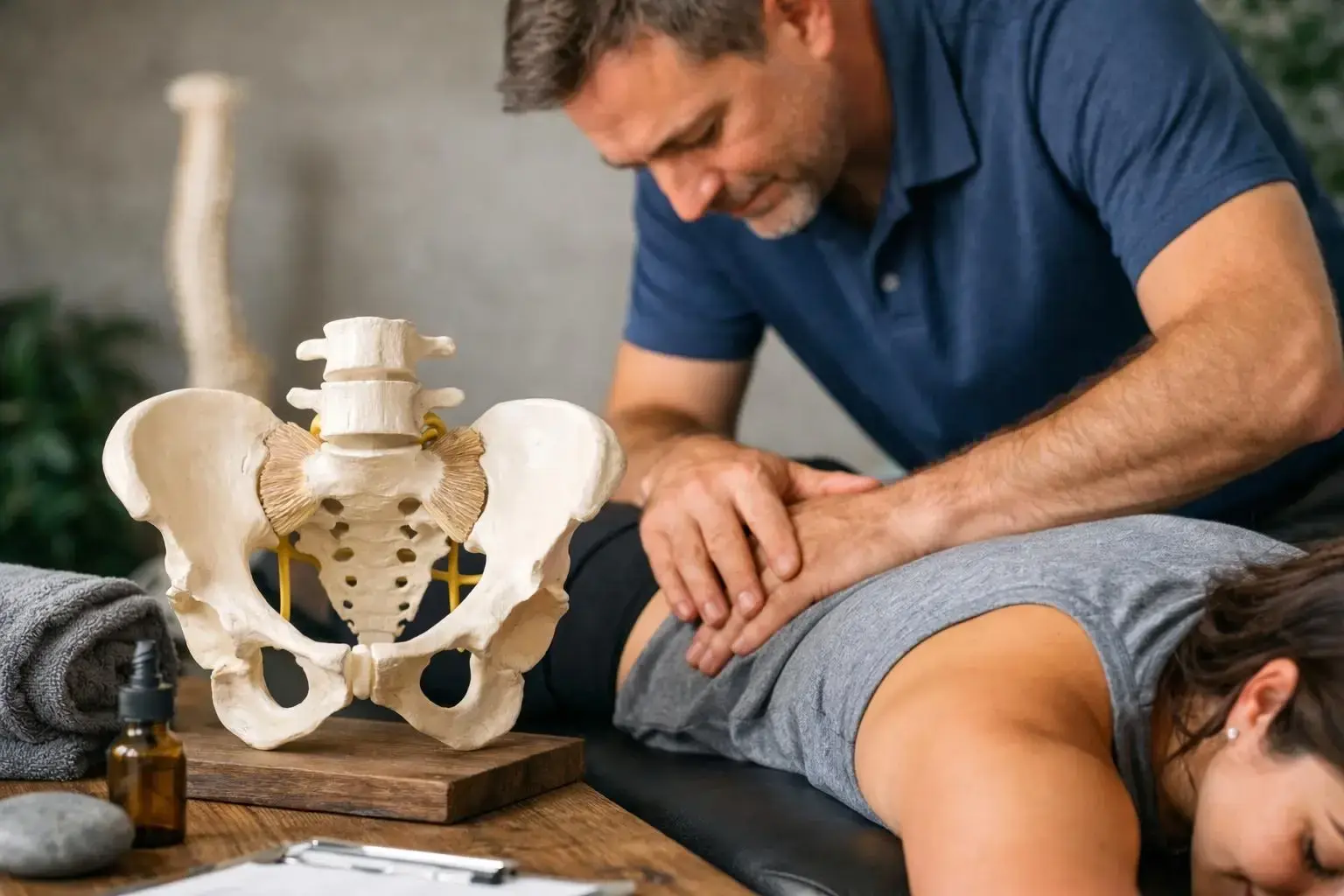
The sacroiliac joint is essential for maintaining proper body mechanics and preventing pain. When the joint functions correctly, it allows for smooth movement and weight distribution. But dysfunction in the sacroiliac joint can lead to chronic lower back pain, hip pain. Or even referred pain in the thighs or groin. This discomfort can interfere with daily activities, such as sitting, standing. Or walking. And may worsen over time if left untreated. Addressing sacroiliac joint issues early can help prevent further complications and improve quality of life.
In addition to pain, sacroiliac joint dysfunction can affect posture and gait. Misalignment in the joint may cause one leg to feel shorter than the other, leading to uneven walking patterns or compensatory movements. Over time, these imbalances can strain other parts of the body, such as the hips, knees. Or lower back. Chiropractic care can help identify and correct these issues, restoring balance and reducing the risk of secondary injuries.
When Sacroiliac Joint Matters Most?
Sacroiliac joint issues often become noticeable during activities that involve weight-bearing or movement. Common situations where the joint may cause problems include prolonged standing, climbing stairs. Or transitioning from sitting to standing. Individuals who engage in repetitive motions, such as runners or athletes, may also experience sacroiliac joint pain due to overuse. And people with occupations requiring heavy lifting or twisting, such as construction workers or nurses, are at higher risk for joint dysfunction.
A common issue is Pregnancy is another time when the sacroiliac joint becomes especially important. Hormonal changes during pregnancy loosen the ligaments around the joint, increasing mobility but also the risk of misalignment. Many pregnant women experience lower back or pelvic pain as a result. Chiropractic care can provide relief by gently realigning the joint and reducing discomfort. Similarly, individuals recovering from injuries, such as car accidents or falls, may benefit from addressing sacroiliac joint dysfunction to restore proper function and prevent long-term pain.