Understanding Manipulation Under Anesthesia

Manipulation Under Anesthesia, often abbreviated as MUA, is a medical procedure designed to help patients who have persistent joint stiffness and pain that has not improved with conventional treatments. Unlike routine chiropractic adjustments performed in an office, MUA takes place in a hospital or ambulatory surgery center where anesthesia providers can safely administer light sedation. The goal is to relax the muscles and nervous system enough to allow the provider to gently stretch and mobilize joints that have become restricted due to scar tissue, inflammation. Or long-term immobility.
This procedure is not a substitute for standard chiropractic care but rather a next-step option for patients who have plateaued in their recovery. Conditions that may benefit from MUA include frozen shoulder, chronic low back pain. And post-surgical stiffness. Because the patient is sedated, the provider can apply controlled force without encountering muscle guarding, which often limits the effectiveness of awake manual therapy. The sedation used is typically short-acting, allowing the patient to wake up quickly and begin post-procedure rehabilitation.
How Manipulation Under Anesthesia Works?
The MUA procedure follows a structured protocol to ensure safety and effectiveness. Before the procedure, the patient undergoes a thorough medical evaluation, including imaging studies like X-rays or MRI, to confirm the source of stiffness and rule out conditions that could make MUA unsafe. On the day of the procedure, the patient receives light intravenous sedation to induce relaxation and reduce discomfort. Once sedated, the provider performs a series of gentle, controlled manipulations to the affected joints, focusing on breaking up adhesions and restoring normal range of motion.
After the manipulation, the patient is monitored as they wake up from sedation. Most patients experience immediate improvement in joint mobility. Though some soreness is common in the first 24 to 48 hours. To maintain the gains achieved during MUA, patients typically begin a course of physical therapy within days of the procedure. This therapy includes stretching, strengthening exercises. And manual techniques to reinforce the new range of motion and prevent recurrence of stiffness. The entire process, from pre-procedure evaluation to post-procedure rehabilitation, is coordinated among the provider, anesthesia team. And physical therapists.
Why Manipulation Under Anesthesia Matters?
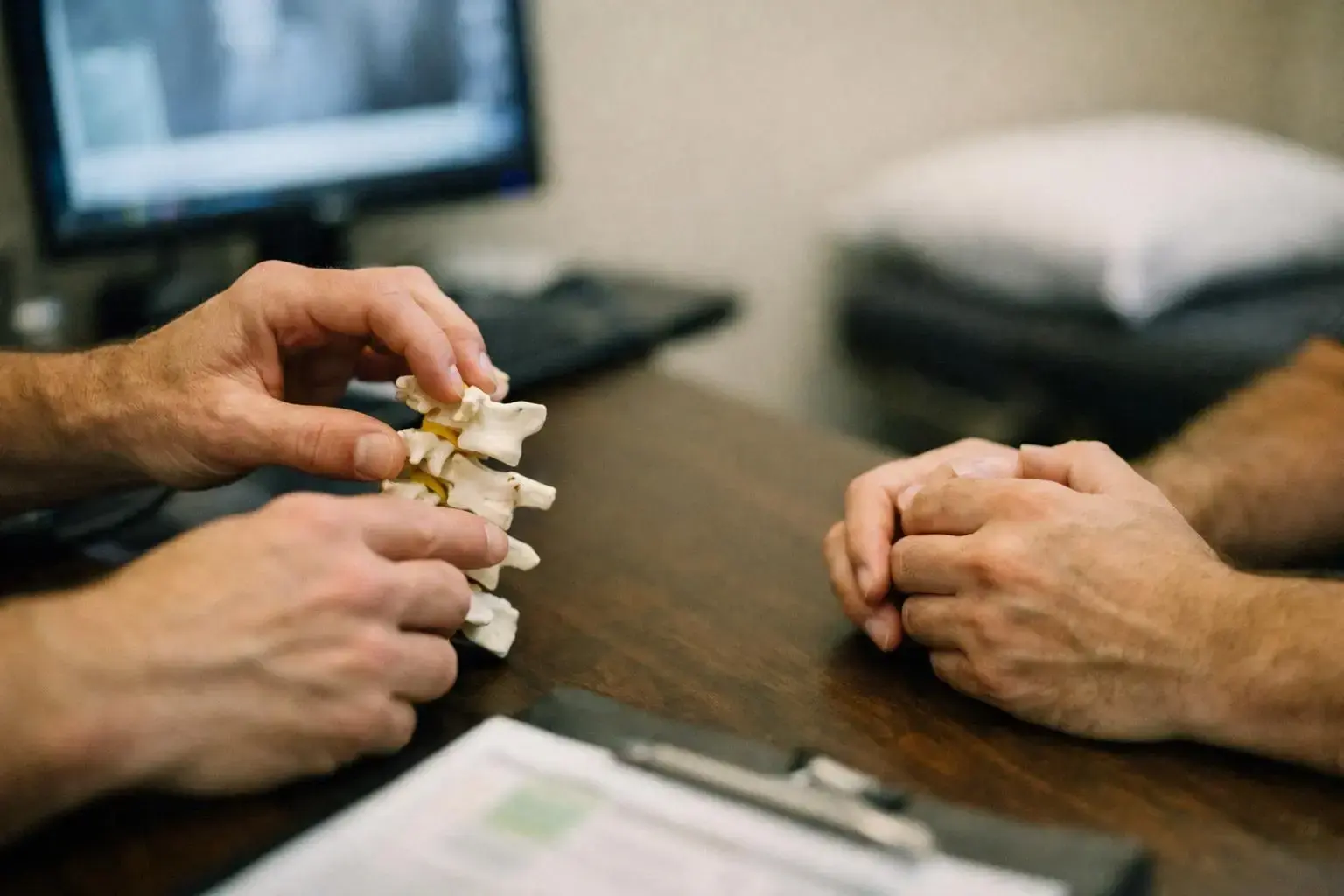
Manipulation Under Anesthesia matters because it offers a solution for patients who have exhausted other conservative treatments without relief. Chronic joint stiffness can significantly impair daily activities, limit work performance. And reduce quality of life. For example, a patient with a frozen shoulder may struggle to reach overhead, lift objects. Or even dress themselves. Standard treatments like physical therapy, chiropractic care. Or anti-inflammatory medications may provide temporary relief but fail to address the underlying scar tissue or adhesions causing the stiffness.
By allowing deeper mobilization under sedation, MUA can break the cycle of chronic pain and immobility. The procedure is particularly valuable for patients who are not candidates for surgery or who wish to avoid invasive interventions. When successful, MUA can restore functional movement, reduce pain. And help patients return to activities they previously enjoyed. But it's not a standalone cure; the long-term success of MUA depends on the patient’s commitment to post-procedure rehabilitation and ongoing maintenance care.
When Manipulation Under Anesthesia Matters Most?
Manipulation Under Anesthesia is most relevant for patients who have experienced limited progress with standard treatments for joint stiffness or chronic pain. Common scenarios where MUA may be considered include patients with frozen shoulder (adhesive capsulitis) who have not improved after months of physical therapy, individuals with chronic low back pain due to post-surgical scar tissue. Or those with joint restrictions following trauma or prolonged immobilization. MUA is also sometimes used for patients with conditions like fibromyalgia or complex regional pain syndrome when joint stiffness is a significant contributing factor.
Timing is an important consideration for MUA. The procedure is typically recommended only after other conservative treatments have been tried and failed, usually after a minimum of 3 to 6 months of consistent care. It is not intended for acute injuries or recent surgeries, as the tissues need time to stabilize before undergoing manipulation. And MUA is not suitable for everyone; patients with certain medical conditions, such as uncontrolled high blood pressure, severe osteoporosis. Or active infections, may not be candidates. The decision to proceed with MUA is made collaboratively between the patient, their primary provider. And the anesthesia team, based on a thorough evaluation of risks and benefits.