Understanding Coccyx
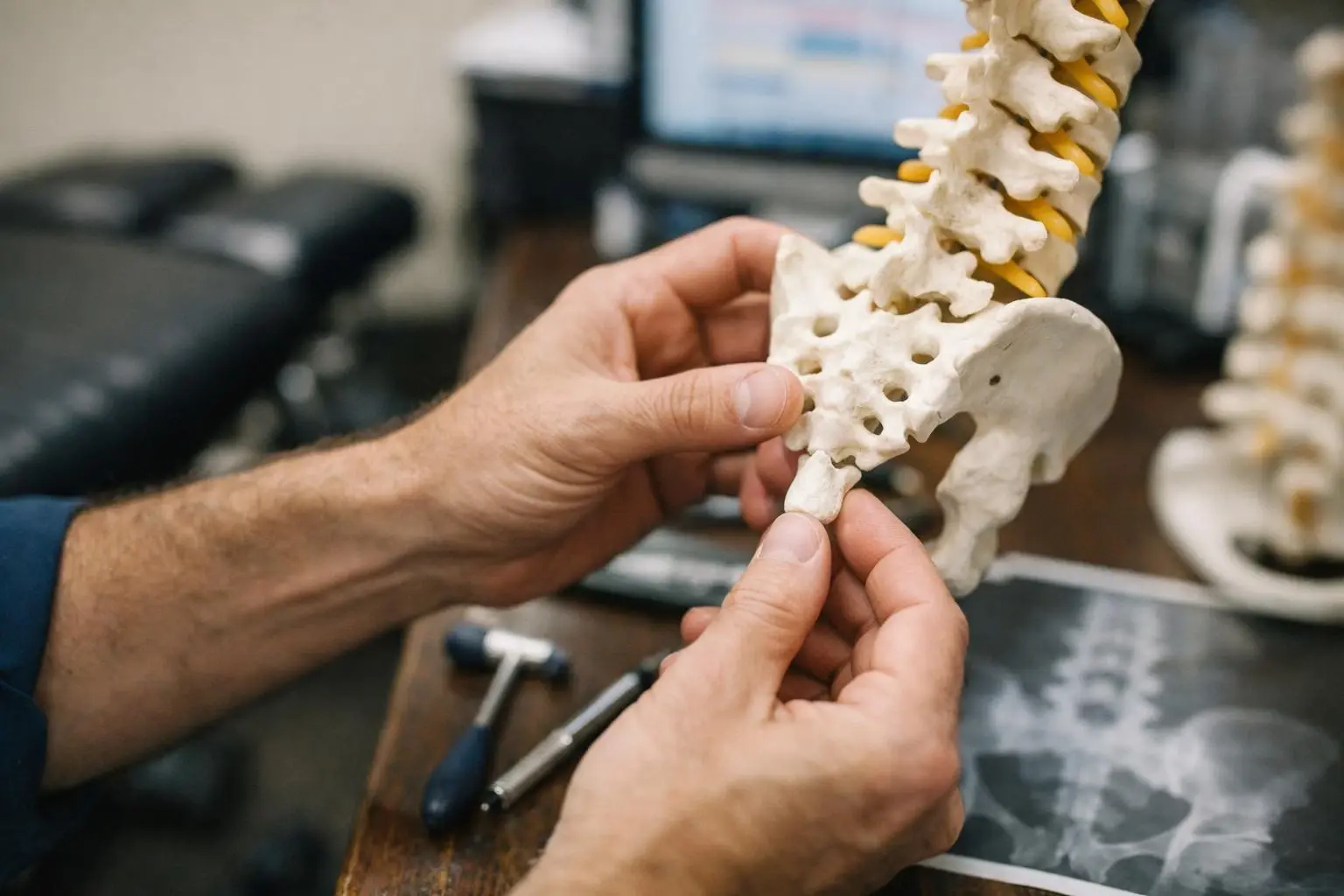
The coccyx is the last part of the spine. It sits just below the sacrum. People call it the tailbone.
It is small and shaped like a triangle. It forms when three to five bones join. These bones are called vertebrae.
The coccyx is smaller than other spine bones. But it does important jobs. It helps you sit up straight.
It holds muscles that help with pooping. It also helps during childbirth. It keeps your pelvis steady.
The coccyx connects to ligaments and tendons. These help you stand and move right.
Even though it's small, it can hurt a lot. Falls can injure it. So can sitting too long on hard seats.
Childbirth can also hurt the coccyx. Pain here is called coccydynia. The area gets lots of stress.
Injuries here take time to heal. You may need special care. This helps you feel better again.
Knowing about the coccyx helps. You can spot problems. Then you can get the right help.
How Coccyx Works, Is Measured. Or Is Used?
When you sit, the coccyx holds weight. It helps when you lean back. It spreads your weight evenly.
The coccyx connects to many muscles. These help you sit, walk. And poop. It keeps you steady.
It helps with balance too. This is true for your lower back and pelvis. It helps when you move.
Doctors check the coccyx for problems. They look at how it lines up. They check if it moves right.
They may press gently to find pain. They can use X-rays or MRI scans. These show breaks or shifts.
The coccyx bones are fused. They don't move like other joints. But they can still cause pain.
If it's hurt, it can be very sore. This can make daily tasks hard. You might not sit or stand well.
Why Coccyx Matters?
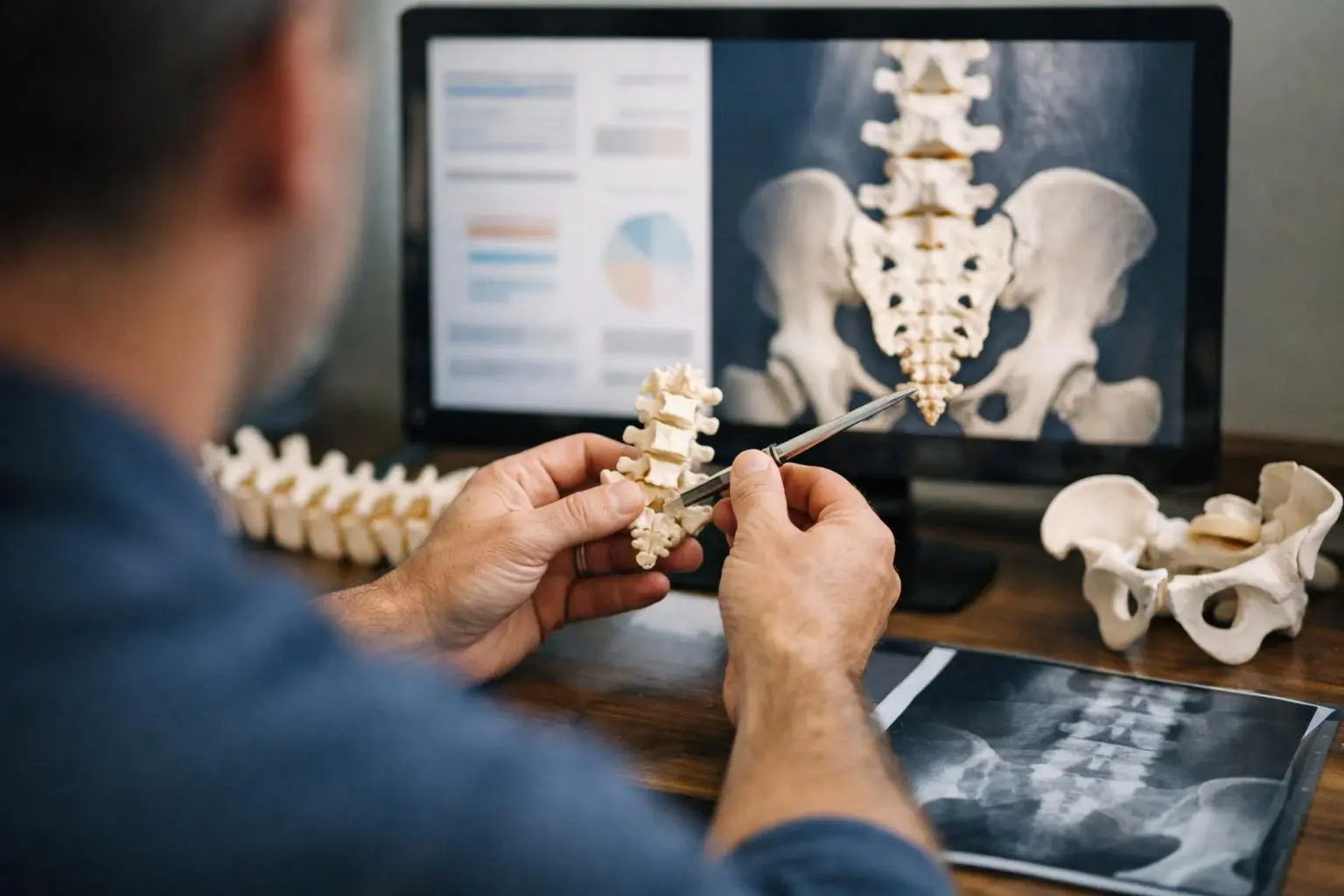
The coccyx seems small. But it helps you move and stay comfy. It's very important.
Pain here can make sitting hard. It can hurt to stand or walk. It may even keep you awake.
Long-term pain can limit you. It can make life less fun. Early help stops big problems.
The coccyx links to muscles and ligaments. A hurt coccyx can affect other areas. It can cause back or pelvis pain.
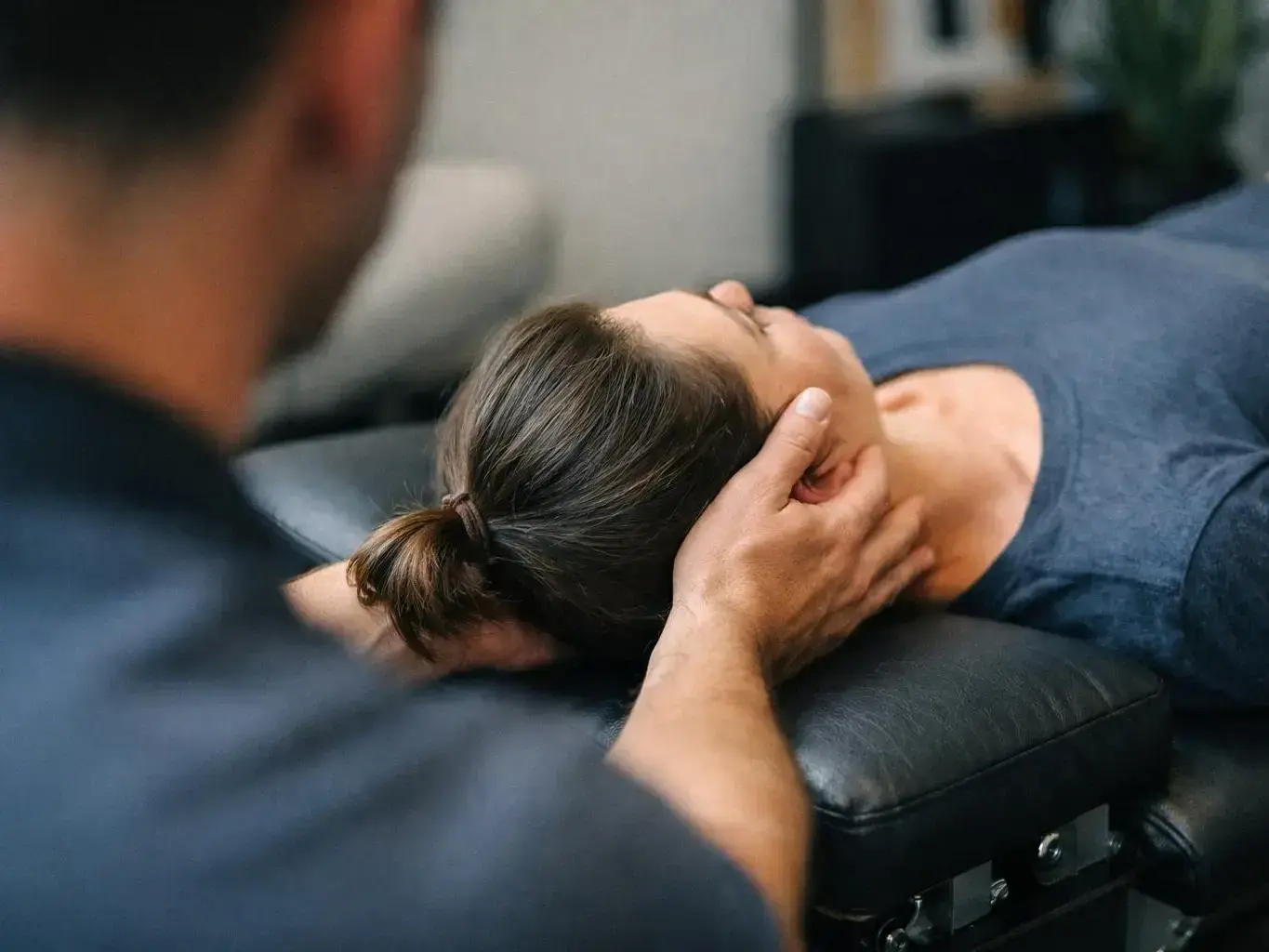
Good care can fix this. This includes chiropractic care. It also means therapy or changing habits.
Knowing its role helps. You'll take steps to keep it healthy. This protects your whole spine.
When Coccyx Matters Most?
Injuries can hurt the coccyx. Falls onto your bottom can do this. So can sports hits or childbirth.
These can break or bruise it. They can knock it out of place. This causes lasting pain.
People who sit a lot may feel pain. Office workers and drivers can have this. The pressure builds up.
Athletes in rough sports can hurt it too. They should watch for pain. It may feel sore or tender.
Pain can come from other things too. The bone can wear down. Repeating the same motions can strain it.
Bad posture can also hurt it. Pregnant women may feel pain. Their bodies change for childbirth.
Getting help early is key. This stops worse problems. You'll get back to normal faster.
Know when to see a doctor. This helps you heal quick. You can do your daily tasks again.