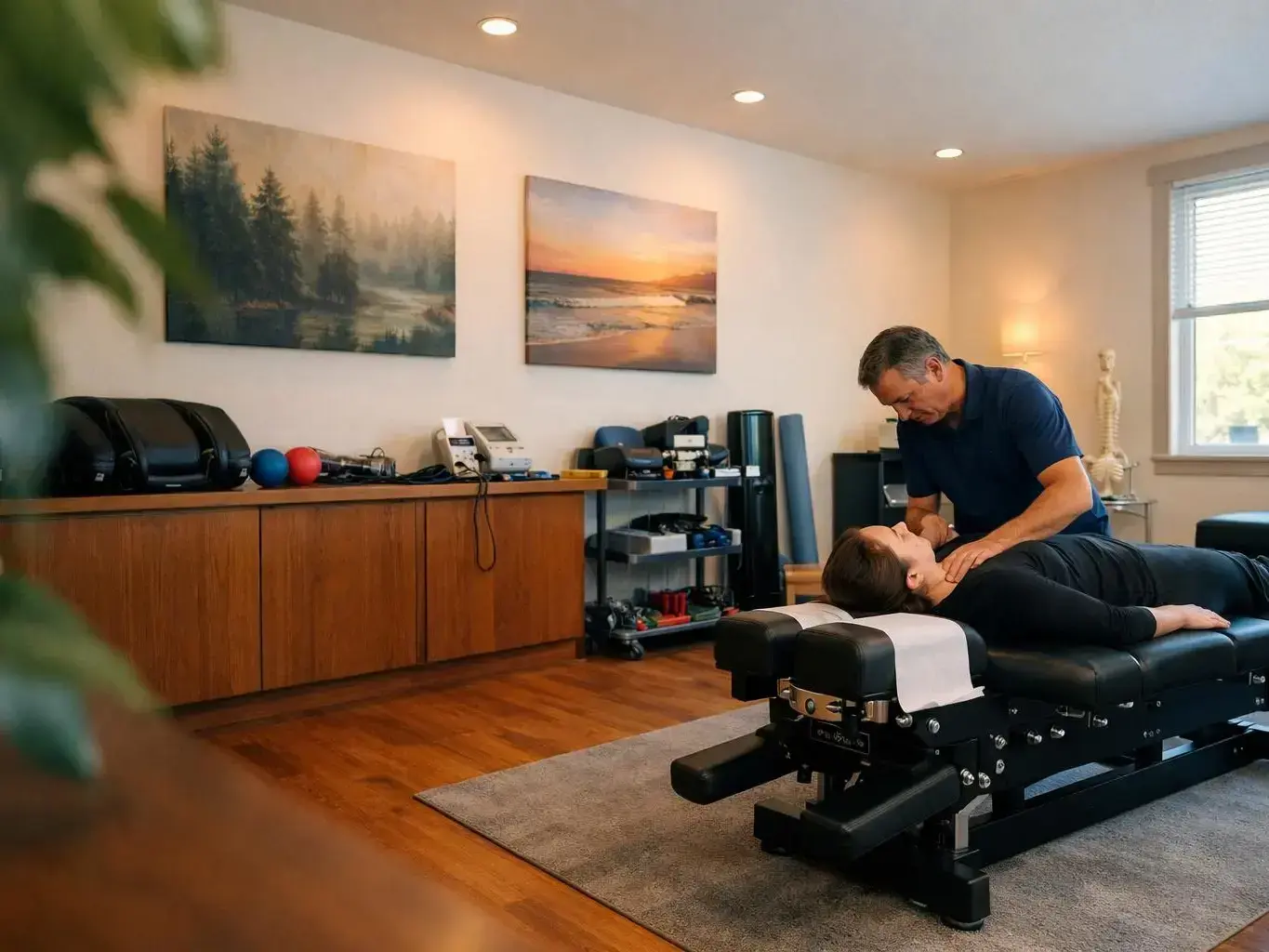
Understanding Chiropractic Neurology

Chiropractic Neurology is a field that examines how the spine and nervous system interact to influence overall health. Unlike general chiropractic care, which primarily focuses on spinal alignment and pain relief, Chiropractic Neurology delves deeper into the nervous system’s role in conditions such as chronic pain, dizziness. And cognitive dysfunction. Practitioners in this field study how misalignments in the spine—called subluxations—can disrupt nerve signals and lead to neurological symptoms.
This approach is rooted in the idea that the brain and body communicate constantly through the nervous system. When spinal misalignments occur, they can interfere with this communication, leading to symptoms like muscle weakness, poor coordination. Or even mood disorders. Chiropractic Neurologists use specific techniques to identify these disruptions and restore proper nerve function. The goal is to improve the body’s ability to heal itself without relying on medication or invasive procedures.
For local customers, Chiropractic Neurology is not a replacement for traditional neurology but rather a complementary approach. It's often used alongside other therapies to address conditions that may not respond to conventional treatments alone. For example, patients with balance disorders or neuropathy might benefit from a combination of Chiropractic Neurology and physical therapy to achieve better outcomes.
How Chiropractic Neurology Works?
Chiropractic Neurology works by assessing and treating dysfunctions in the nervous system through targeted spinal adjustments and sensory exercises. The process begins with a detailed neurological examination, which may include tests for balance, coordination, reflexes. And muscle strength. These tests help the practitioner identify areas where nerve function is compromised. For instance, a patient with vertigo might undergo tests to evaluate their inner ear function and eye movements to pinpoint the source of their dizziness.
Once the assessment is complete, the practitioner develops a personalized treatment plan. This plan often includes spinal adjustments to correct misalignments that may be affecting nerve function. For example, a misalignment in the cervical spine (neck) can impact signals traveling between the brain and the rest of the body, leading to symptoms like headaches or numbness. In addition to adjustments, treatments may involve specific exercises or sensory stimulation techniques, such as eye movements or balance training, to retrain the nervous system.
Chiropractic Neurologists also focus on educating patients about lifestyle changes that can support their treatment. This might include recommendations for posture, ergonomics. Or stress management techniques. The idea is to address the root cause of neurological symptoms rather than just masking them with temporary relief. Over time, these interventions can help restore normal nerve function and improve the patient’s quality of life.
Why Chiropractic Neurology Matters?

Chiropractic Neurology matters because it offers a non-invasive, drug-free approach to treating neurological conditions that may not respond to traditional medical treatments. Many patients with chronic pain, balance disorders. Or brain-based conditions like ADHD or post-concussion syndrome find relief through this specialized care. By addressing the underlying neurological dysfunctions, Chiropractic Neurology can help patients regain function and reduce their reliance on medications, which often come with side effects.
Another key benefit is its focus on personalized care. Unlike one-size-fits-all treatments, Chiropractic Neurology tailors interventions to the individual’s specific neurological needs. This personalized approach can lead to more effective and lasting results, particularly for patients who have struggled with unresolved symptoms. For example, someone with chronic migraines might find that spinal adjustments combined with specific eye exercises significantly reduce the frequency and severity of their headaches.
Chiropractic Neurology also plays a role in preventive care. By maintaining proper spinal alignment and nerve function, patients can reduce their risk of developing neurological issues in the future. This proactive approach is especially valuable for athletes, older adults. Or individuals with physically demanding jobs, who are more prone to injuries that can affect the nervous system.
When Chiropractic Neurology Matters Most?
Chiropractic Neurology is most beneficial for individuals experiencing neurological symptoms that have not improved with conventional treatments. This includes conditions like chronic pain, dizziness, vertigo, neuropathy. And brain-based disorders such as ADHD or post-concussion syndrome. It is also useful for patients recovering from injuries, such as whiplash or sports-related trauma, where nerve function may be compromised. For example, a patient with persistent neck pain after a car accident might find relief through Chiropractic Neurology techniques that address nerve irritation in the cervical spine.
This approach is also valuable for patients seeking a natural alternative to medication or surgery. Many people with neurological conditions, such as migraines or balance disorders, prefer to avoid long-term medication use due to side effects or dependency risks. Chiropractic Neurology offers a drug-free option that focuses on restoring the body’s natural healing processes. And it can be a complementary therapy for patients undergoing traditional neurological care, providing a complete approach to managing their condition.
For residents of Brentwood, TN, Chiropractic Neurology can be particularly relevant for those dealing with work-related injuries, sports injuries. Or age-related neurological changes. The area’s active lifestyle and aging population create a need for specialized care that addresses both acute and chronic neurological issues. Whether recovering from a slip-and-fall injury or managing a long-term condition like neuropathy, Chiropractic Neurology provides a targeted solution for improving nerve function and overall well-being.