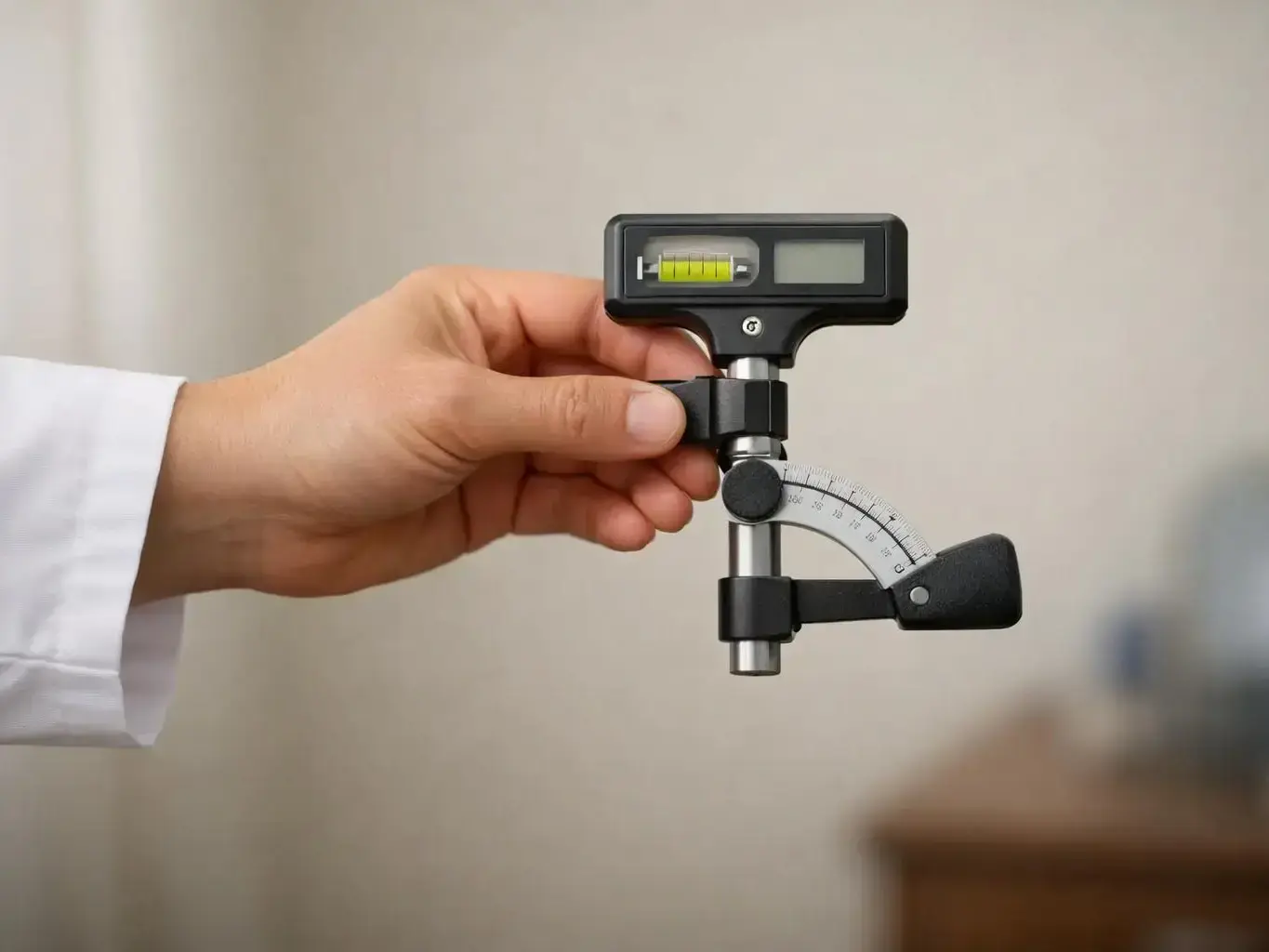
Understanding Chiropractic BioPhysics

Chiropractic BioPhysics (CBP) is a specialized form of chiropractic care that focuses on correcting spinal alignment using scientific measurements and research-backed methods. Unlike traditional chiropractic care, which often targets immediate pain relief, CBP aims to address the root causes of spinal problems by improving posture and spinal structure over time. This approach is based on the idea that poor spinal alignment can lead to chronic pain, reduced mobility. And other health issues.
CBP practitioners use detailed assessments, including X-rays and posture analysis, to identify misalignments in the spine. These measurements help create a personalized treatment plan that may include spinal adjustments, traction. And specific exercises. The goal is to restore the spine to its natural, healthy shape, which can relieve pressure on nerves, reduce pain. And improve overall function. Because CBP is highly individualized, it often requires more frequent visits and consistent follow-up to achieve lasting results.
How Chiropractic BioPhysics Works?
Chiropractic BioPhysics follows a structured process to improve spinal health. First, the chiropractor takes X-rays of the spine to measure its alignment and identify any abnormalities, such as curves, rotations. Or shifts. These images are compared to ideal spinal models to determine how far the spine has deviated from its natural position. Based on these findings, the chiropractor designs a treatment plan that may include spinal adjustments, mirror-image adjustments (where the spine is adjusted in the opposite direction of the misalignment). And traction therapy.
Traction is a key part of CBP and involves using specialized tables or devices to gently stretch the spine. This helps decompress spinal discs, reduce nerve pressure. And encourage the spine to return to its proper alignment. Patients may also be given specific exercises or stretches to perform at home to support their progress. Because CBP focuses on structural changes, treatment often takes longer than traditional chiropractic care, with plans typically spanning several months or more.
Why Chiropractic BioPhysics Matters?
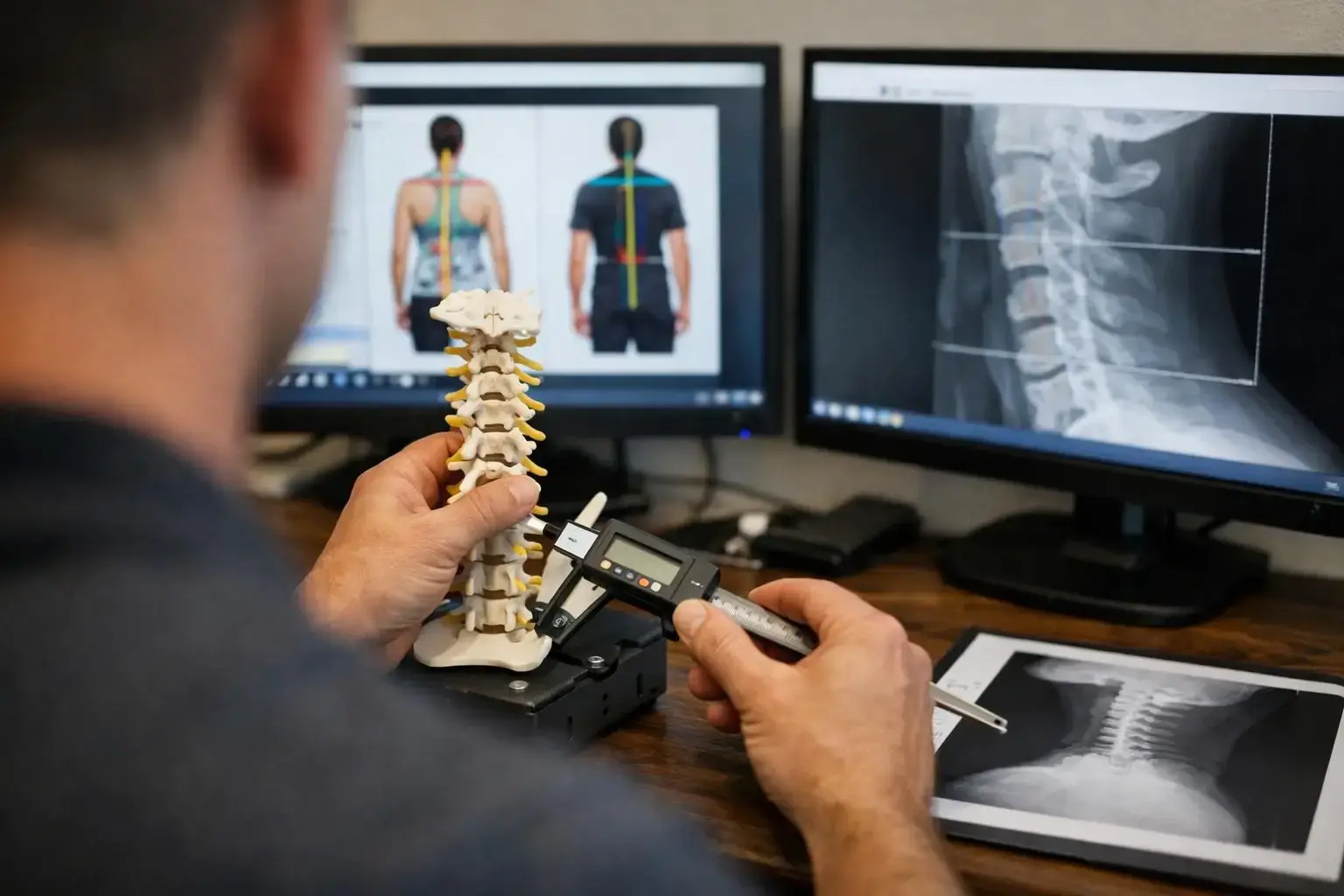
Chiropractic BioPhysics matters because it offers a long-term solution for chronic spinal conditions that may not respond to short-term treatments. Many people with back pain, neck pain. Or postural issues find temporary relief with traditional chiropractic adjustments. But the pain often returns if the underlying spinal misalignment isn’t corrected. CBP addresses these deeper structural issues, which can lead to more sustainable pain relief and improved mobility.
Many projects start with Another key benefit of CBP is its focus on prevention. By improving spinal alignment, patients may reduce their risk of future injuries, disc degeneration. And other complications. This makes CBP particularly valuable for individuals with conditions like scoliosis, herniated discs. Or chronic postural distortions. While the treatment process requires commitment, the potential for lasting improvement makes it a worthwhile option for many patients.
When Chiropractic BioPhysics Matters Most?
Chiropractic BioPhysics is most beneficial for individuals dealing with chronic spinal conditions that haven’t improved with traditional chiropractic care or other treatments. It's often recommended for people with scoliosis, severe postural distortions. Or long-standing back or neck pain. CBP may also be helpful for those recovering from injuries, such as car accidents or sports-related trauma, where spinal alignment has been significantly affected.
Patients who are committed to a longer treatment plan and willing to follow through with exercises and follow-up visits tend to see the best results with CBP. It is less suited for those seeking quick fixes or temporary pain relief. Because CBP involves detailed measurements and personalized care, What matters is to work with a chiropractor trained in this technique to ensure proper treatment.